


sponsored
Trust the People
Centering equity in funding relationships requires trust. It also takes time, resources, and a willingness to shift power to the people closest to the problem.

Centering equity in funding relationships requires trust. It also takes time, resources, and a willingness to shift power to the people closest to the problem.
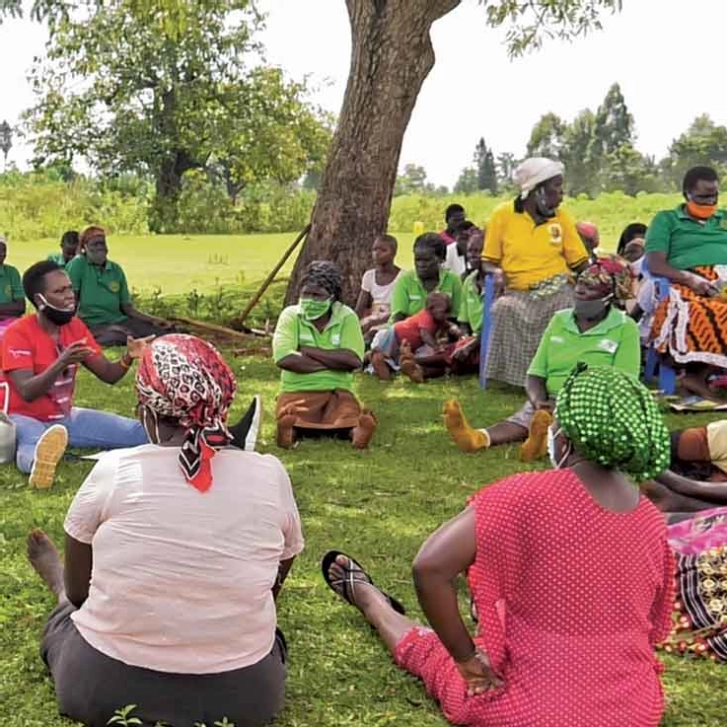
The government sector’s inadequate efforts to address climate change have spurred nonprofits like the emerging network Women’s Climate Centers International (WCCI) to take charge.

In 2018, Alicia Garza founded the Black Futures Lab to center the political needs and demands of Black people.

For people who are looking to invest responsibly, Adasina Social Capital has established the Adasina Social Justice Index, which informs investors about opportunities in four areas: racial justice, gender justice, economic justice, and climate justice.

Employment helps immigrants identify with the organizations they work for and integrate with society at large.


Professionalism has become coded language for white favoritism in workplace practices that more often than not leave behind people of color. This is the fourth of 10 articles in a special series about diversity, equity, and inclusion.

Laws and programs designed to benefit vulnerable groups, such as the disabled or people of color, often end up benefiting all of society.

A clear definition of equity would seem paramount to galvanizing philanthropy into action around this increasingly used term—but the field is only beginning to explore what it really means.

Stereotypes and racial bias in hiring and promotion are damaging at personal, career, and organizational levels.

Because decentralization doesn’t necessarily mean redistributing power, Web3 must make values integral to the architecture.