

The ‘Not Here’ Syndrome
Racism denial, workplace inequity, and the futility of speaking out.
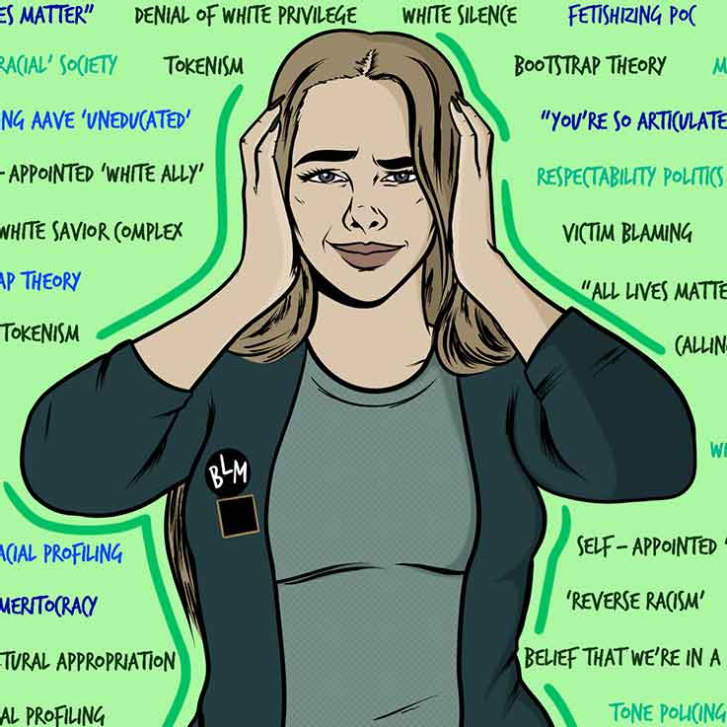
Racism denial, workplace inequity, and the futility of speaking out.

Planned, intergenerational communities can help support families raising foster children, as well as youth and elders seeking low-income housing and community.

While traditional scientific methods are not well suited for assessing advocacy, evaluation is necessary for making informed decisions about what meaningful and realistic outcomes to seek from human rights advocacy.

A new framework identifies racial harms and other forms of discrimination in order to create work environments where everyone feels they belong. Part of an in-depth series that explains how racism operates within organizations.

While the pandemic has clarified some best practices for online trainings, centering participants requires a creative approach, a deep understanding of participants’ needs, and thoughtful work to be responsive and flexible.


Professionalism has become coded language for white favoritism in workplace practices that more often than not leave behind people of color. This is the fourth of 10 articles in a special series about diversity, equity, and inclusion.

Laws and programs designed to benefit vulnerable groups, such as the disabled or people of color, often end up benefiting all of society.

A clear definition of equity would seem paramount to galvanizing philanthropy into action around this increasingly used term—but the field is only beginning to explore what it really means.

Stereotypes and racial bias in hiring and promotion are damaging at personal, career, and organizational levels.

Because decentralization doesn’t necessarily mean redistributing power, Web3 must make values integral to the architecture.