
Foundations
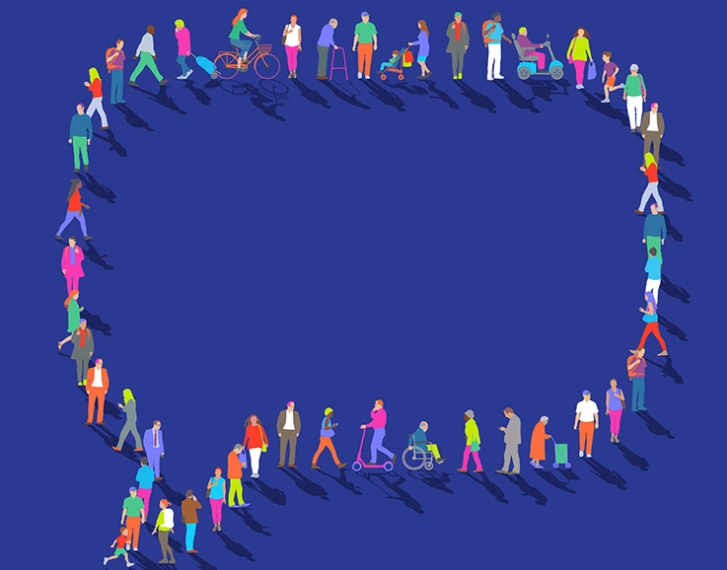
Communications for Community
To meet this moment, how can foundations and nonprofits orient their communications to foster connections and build community?

Critics of grantmaking practices and advocates of reform should support hiring more staff to improve accountability, return on investment, and equality of opportunity.
To meet this moment, how can foundations and nonprofits orient their communications to foster connections and build community?
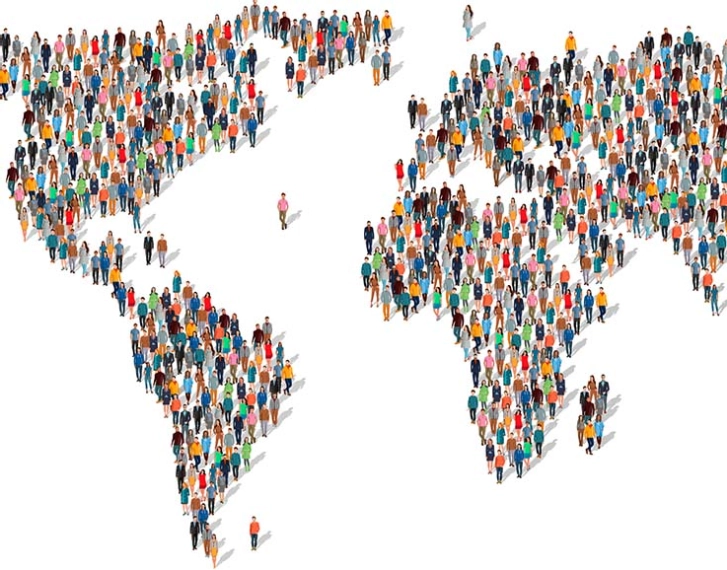
To counter disruptive market forces changing the media, nonprofit communicators can adopt ideas from other sectors, their own programmatic strengths, and communities.

Many modern philanthropists are building impact that lasts, though it may not look like the brick-and-mortar projects of previous eras. These five dimensions are a helpful guide.
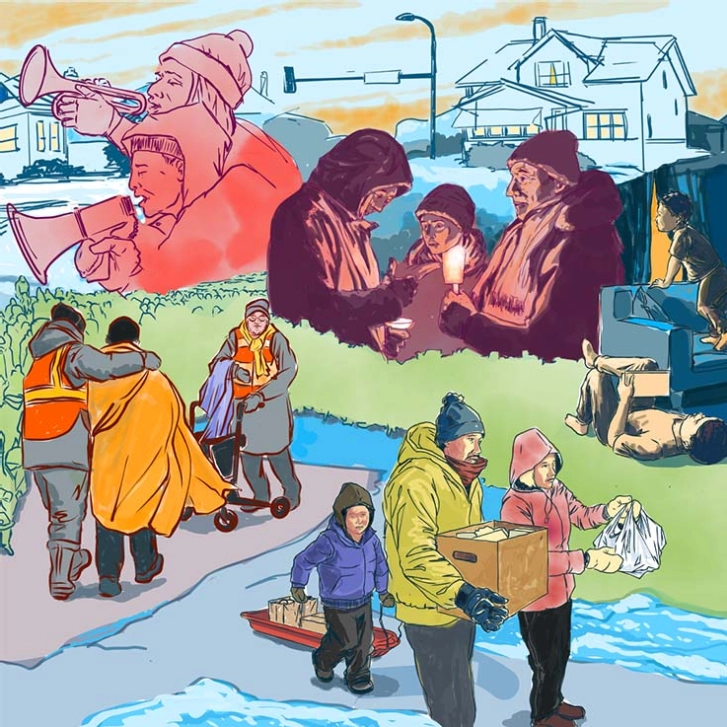
Lessons from Los Angeles, Chicago, and Minneapolis on defending our neighbors and democracy

Building power in communities now will protect them from the next threat to democracy.
An excerpt from The Nonprofit Paradox by Nehal Gandhi
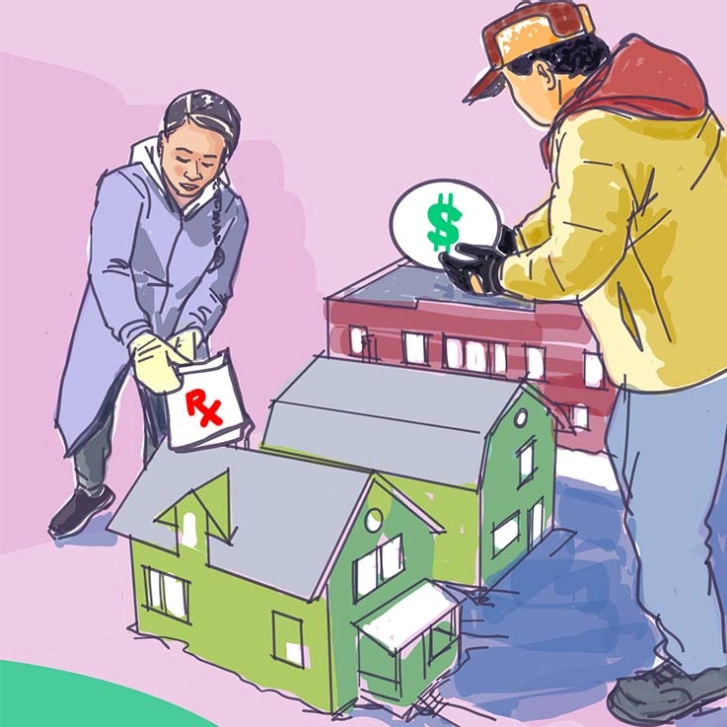
When the village cannot wait, philanthropy must learn from community.


Our understanding of community can help funders and evaluators identify, understand, and strengthen the communities they work with.
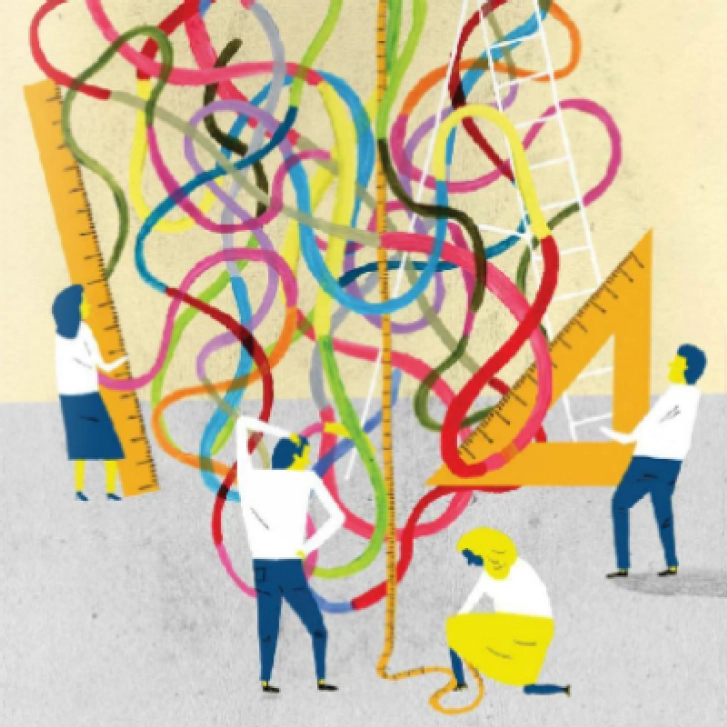
Too many people believe social value is objective, fixed, and stable, when in fact it is subjective, malleable, and variable.
These leaders’ assets go beyond experiences of oppression or marginalization to include the connection, meaning, and joy they can draw on from their respective cultures and communities.

A few nonprofits are using social media to fundamentally change the way they work and increase their social impact.

A clear definition of equity would seem paramount to galvanizing philanthropy into action around this increasingly used term—but the field is only beginning to explore what it really means.