
The Office Door
How white supremacy materializes at this threshold of workplace relations and power dynamics.

How white supremacy materializes at this threshold of workplace relations and power dynamics.

Four strategies for organizational activism—advocate, subvert, facilitate, and heal—can help the increasing number of people who want to challenge racism, sexism, heterosexism, ableism, and other injustices in the workplace.

Stereotypes and racial bias in hiring and promotion are damaging at personal, career, and organizational levels.
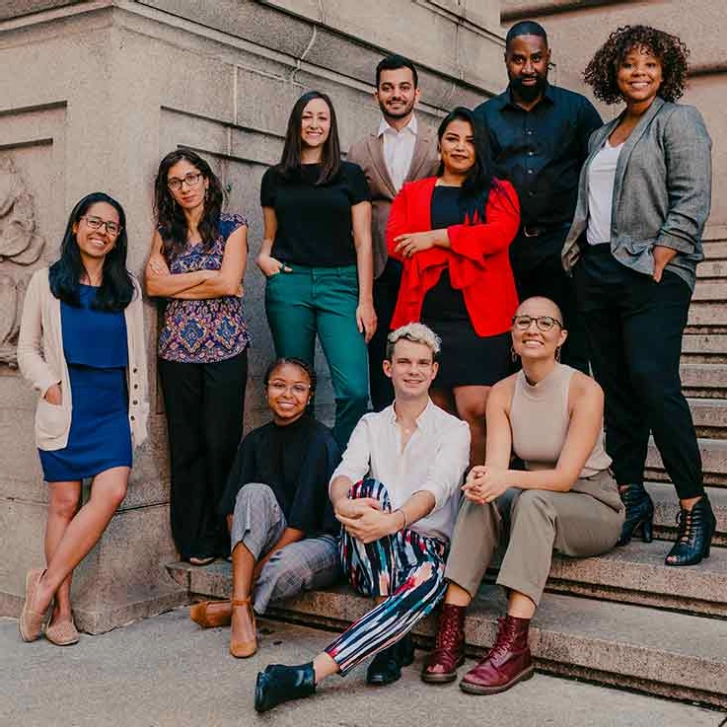
Think tanks can only help pave the path toward a more inclusive, just, and equal country if we modernize our concept of expertise, re-think who gets to drive policy change, and re-imagine how policy is developed.

A pervasive fallacy imposes a heavy emotional toll on employees from underrepresented groups.


Professionalism has become coded language for white favoritism in workplace practices that more often than not leave behind people of color. This is the fourth of 10 articles in a special series about diversity, equity, and inclusion.

Laws and programs designed to benefit vulnerable groups, such as the disabled or people of color, often end up benefiting all of society.

A clear definition of equity would seem paramount to galvanizing philanthropy into action around this increasingly used term—but the field is only beginning to explore what it really means.
Stereotypes and racial bias in hiring and promotion are damaging at personal, career, and organizational levels.

Because decentralization doesn’t necessarily mean redistributing power, Web3 must make values integral to the architecture.