

The Peace Laboratory
After Colombia's civil war, the government reinstituted state authority in remote jungle regions by working with community leaders to satisfy local needs.

After Colombia's civil war, the government reinstituted state authority in remote jungle regions by working with community leaders to satisfy local needs.
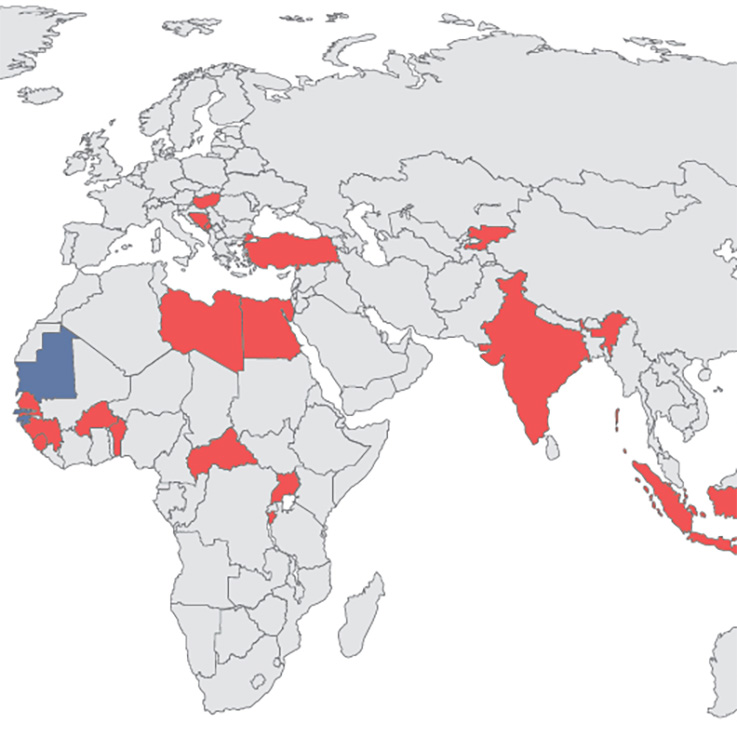
Data can guide investment priorities in strengthening global democracy.

St. Paul sits at the heart of a growing national movement—one that insists our systems serve people, not the other way around. This movement challenges us to rethink how government operates and calls us to lead with a new kind of courage.
What we ask of our institutions, systems, and governing structures—to love all—we must also ask of ourselves.

Our work in the Transformational Change Partnership demonstrates how investing in public officials can generate system-level improvements.


Funders are calling for more program evaluation, but nonprofits are often collecting dubious data, at great cost to themselves and ultimately to the people they serve.

Large-scale social change requires broad cross-sector coordination, not the isolated intervention of individual organizations.
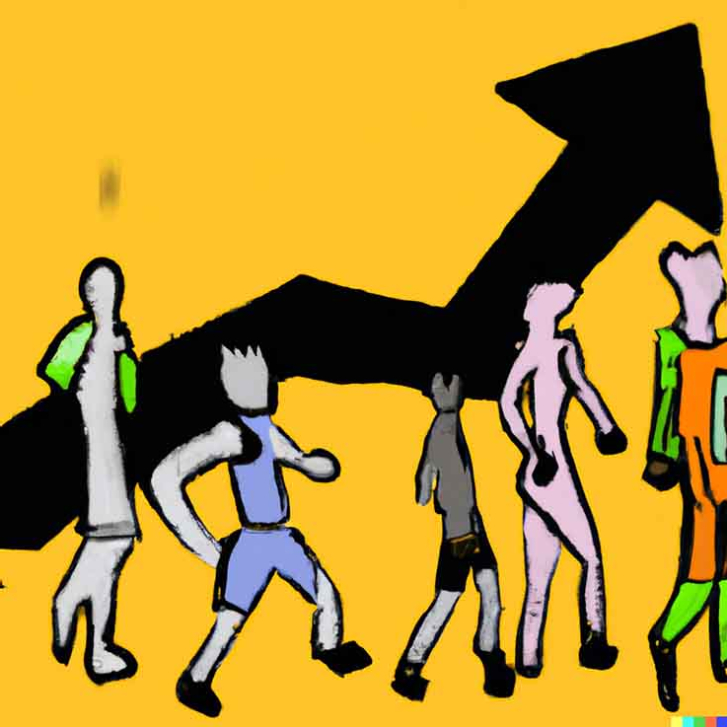
For NGOs, impact comes in different forms and to track the cycles of social change work, we must think across the tangibility and the speed of emergence of change.

With an understanding of these 10 funding models, nonprofit leaders can use the for-profit world's valuable practice of engaging in succinct and clear conversations about long-term financial strategy.

Social entrepreneurship is attracting growing amounts of talent, money, and attention, but along with its increasing popularity has come less certainty about what exactly a social entrepreneur is and does.