

sponsored
Challenge Accepted
What would the United States look like if every American had the opportunity to succeed?

What would the United States look like if every American had the opportunity to succeed?

In the face of current funding uncertainty, US nonprofits must innovate to sustain their missions.

As refugees transform urban spaces, we must build the infrastructure to make it for the good.

To build a future where government truly works for people, human services leaders must cocreate a shared vision that moves beyond incremental change to reimagine outcomes, equity, and data infrastructure at scale.

For many social initiatives, achieving transformative impact requires government leadership. Teaching at the Right Level (TaRL) Africa has gained important insights about effectively supporting government partners, adapting operations across contexts and borders, and working within existing systems.


Funders are calling for more program evaluation, but nonprofits are often collecting dubious data, at great cost to themselves and ultimately to the people they serve.

Large-scale social change requires broad cross-sector coordination, not the isolated intervention of individual organizations.
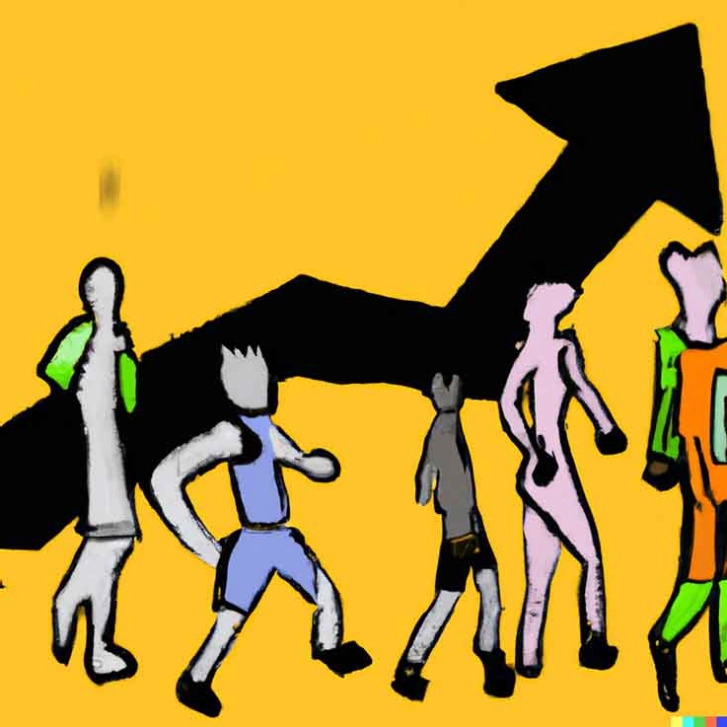
For NGOs, impact comes in different forms and to track the cycles of social change work, we must think across the tangibility and the speed of emergence of change.

With an understanding of these 10 funding models, nonprofit leaders can use the for-profit world's valuable practice of engaging in succinct and clear conversations about long-term financial strategy.

Social entrepreneurship is attracting growing amounts of talent, money, and attention, but along with its increasing popularity has come less certainty about what exactly a social entrepreneur is and does.