

Practical Ideas for Improving Equity and Inclusion at Nonprofits
The journey toward greater diversity, equity, and inclusion has no fixed endpoint, but here are a few places to start.

The journey toward greater diversity, equity, and inclusion has no fixed endpoint, but here are a few places to start.
Personal experience is central to the education and development of managers.
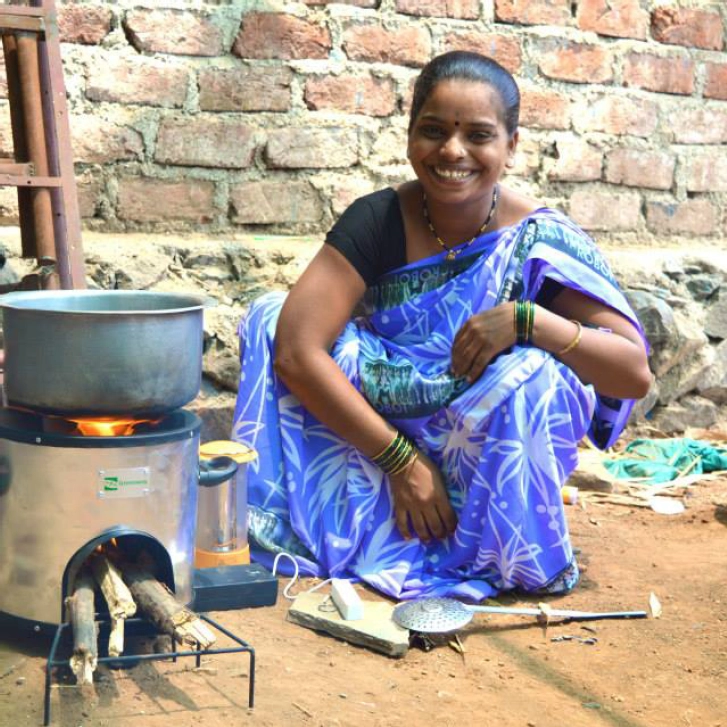
Women co-run businesses are outperforming their male-only counterparts, but not enough investors are betting on them. Here’s what we can do to support representative entrepreneurial ecosystems and how an India-based investor is pointing the way.
We need to equip the next generation with the tools they need to deliver on good intentions.

In this multimedia series, sponsored by the William and Flora Hewlett Foundation, voices from the social sector will offer tactics, tools, and advice gleaned from the grassroots to encourage nonprofits and foundations to make listening to their constituents—and acting on what they hear—a smart norm for any organization committed to improvement.


Professionalism has become coded language for white favoritism in workplace practices that more often than not leave behind people of color. This is the fourth of 10 articles in a special series about diversity, equity, and inclusion.

More nonprofits are managing their brands to create greater impact and organizational cohesion.

The key to creating a vibrant and sustainable company is to find ways to get all employees personally engaged in day-to-day corporate sustainability efforts.

In the face of increasingly pressing systemic inequities, nonprofit boards must change the traditional ways they have worked and instead prioritize an organization's purpose, show respect for the ecosystem in which they operate, commit to equity, and recognize that power must be authorized by the people they're aiming to help.

Five practical considerations for organizations that want to use intentional influence to achieve a bold social goal.