


Local Leaders Are Driving Systems Change. Philanthropy Must Follow.
Now is the time for funders to back local leaders who are making lasting improvements to people's lives and the systems that shape them, even amidst global disruption.
Now is the time for funders to back local leaders who are making lasting improvements to people's lives and the systems that shape them, even amidst global disruption.

The sector's response to the sharp withdrawal of government funding and to threats against basic freedoms should start with the easy answers.

How to build a proven model into a global network for lead poisoning prevention

Four lessons from a Los Angeles hospital's effort to shift power to community health promoters.
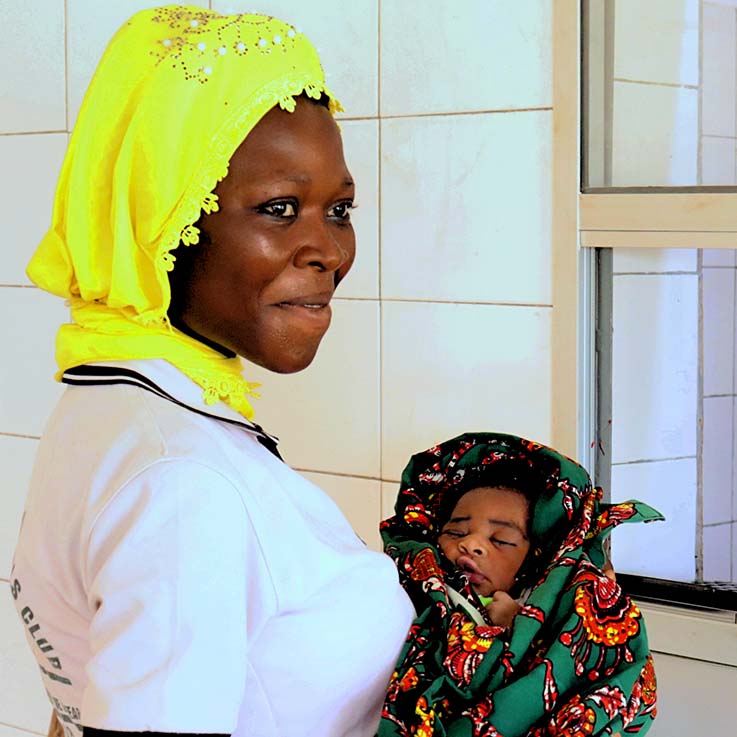
As global aid declines, new learning partnership models between NGOs and government will play a critical role in scaling and sustaining health reform in low- and middle-income countries.


Funders are calling for more program evaluation, but nonprofits are often collecting dubious data, at great cost to themselves and ultimately to the people they serve.

Large-scale social change requires broad cross-sector coordination, not the isolated intervention of individual organizations.
For NGOs, impact comes in different forms and to track the cycles of social change work, we must think across the tangibility and the speed of emergence of change.
With an understanding of these 10 funding models, nonprofit leaders can use the for-profit world's valuable practice of engaging in succinct and clear conversations about long-term financial strategy.
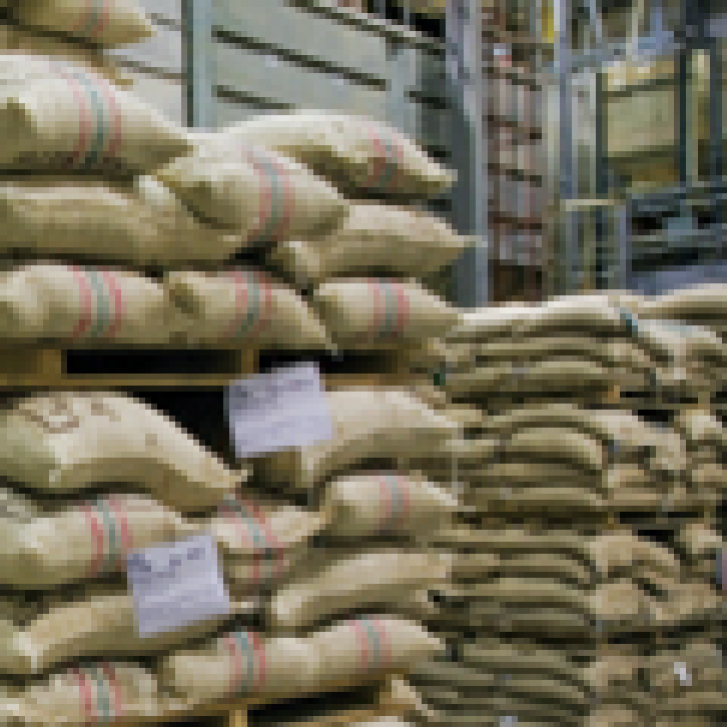
Fair Trade-certified coffee is growing in sales, but strict certification requirements are resulting in uneven economic advantages for coffee growers and lower quality coffee for consumers.