
Breaking Out of the c3 Box
The tax code should not dissuade donors from maximizing their impact by supporting 501(c)(4)s.

The tax code should not dissuade donors from maximizing their impact by supporting 501(c)(4)s.
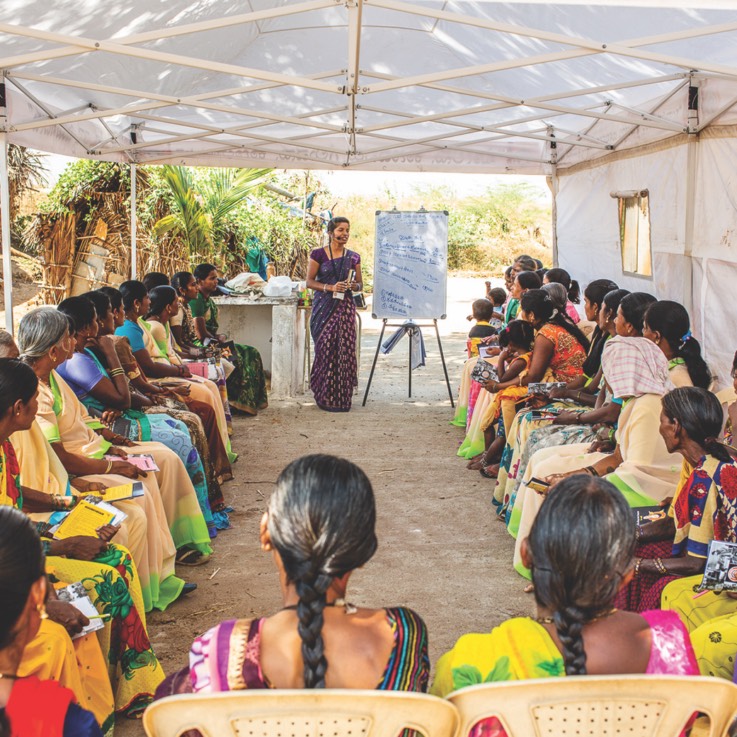
Can you ask economically vulnerable women to donate for the empowerment of others? Buzz Women’s giving circle in India is doing just that.
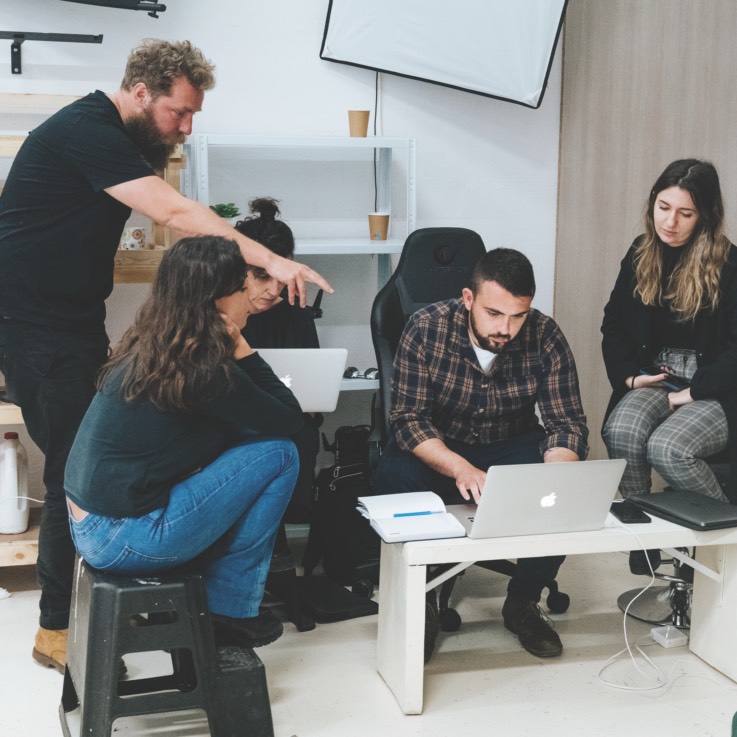
The Organized Crime and Corruption Reporting Project conducts cross-border investigations targeting the world’s most corrupt—from oligarchs and misogynist influencers to political elites.
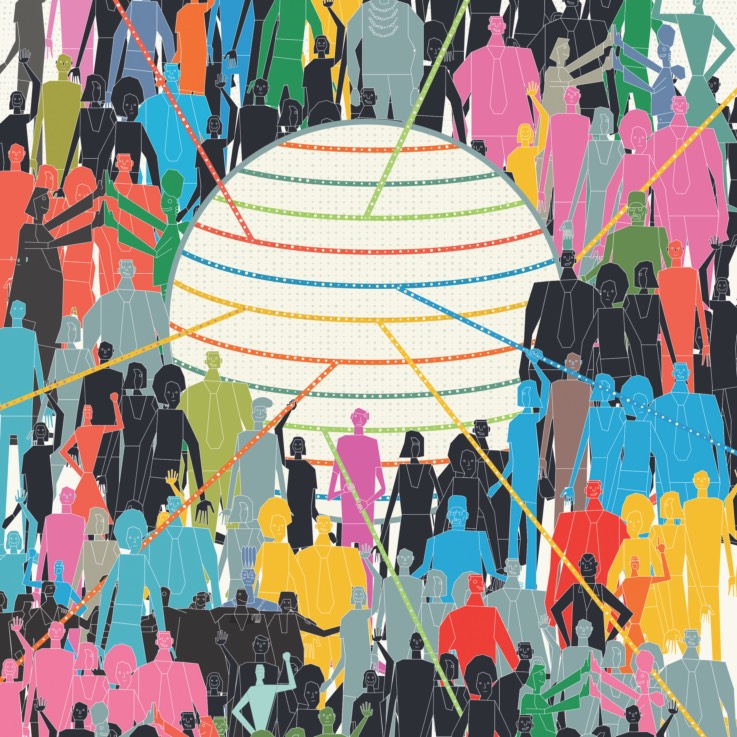
The world is undergoing simultaneous economic, technological, geopolitical, environmental, and social changes that organizations cannot address alone. Only a collective approach to social innovation can solve for challenges that are too large for individual organizations.
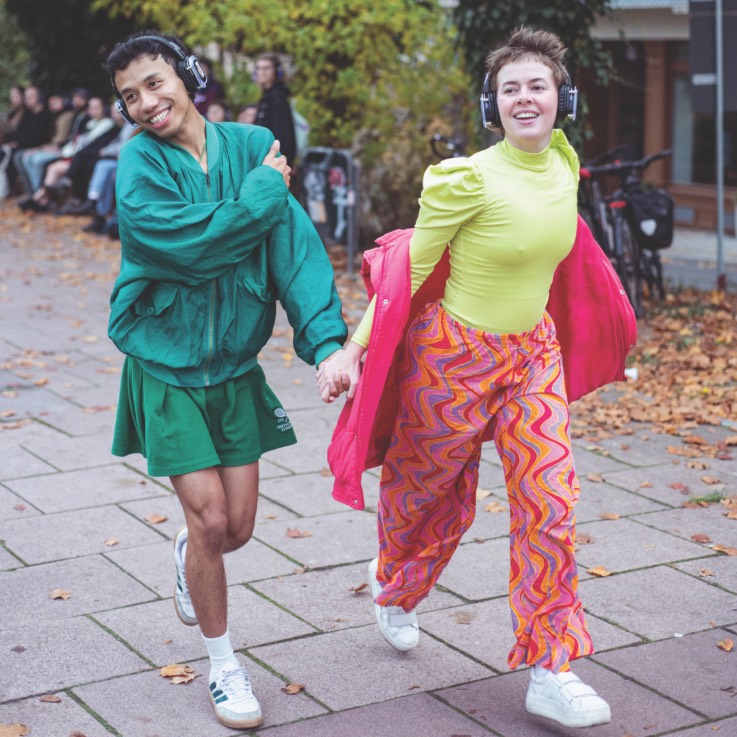
Queer Voices’ audio-walking tours re-create LGBTQ+ history in Leipzig and Halle in former East Germany.


Funders are calling for more program evaluation, but nonprofits are often collecting dubious data, at great cost to themselves and ultimately to the people they serve.

Large-scale social change requires broad cross-sector coordination, not the isolated intervention of individual organizations.
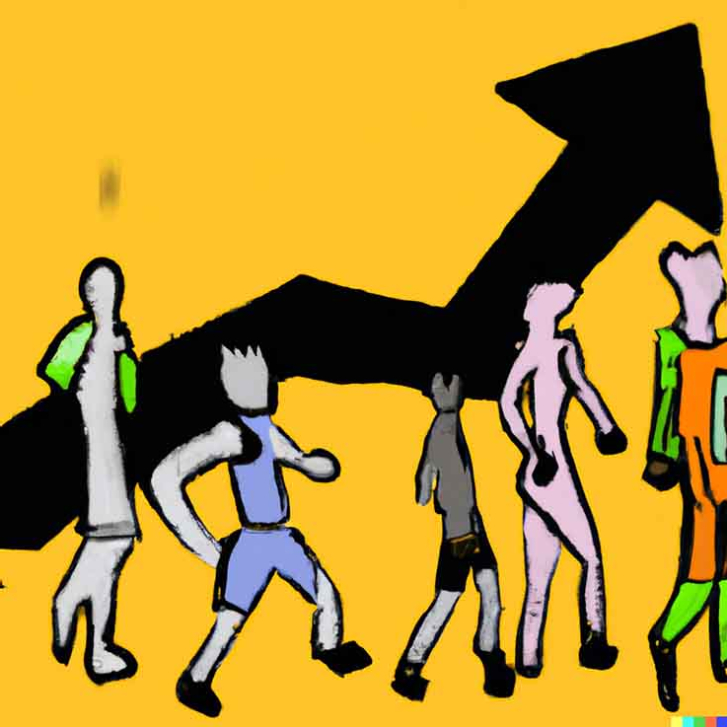
For NGOs, impact comes in different forms and to track the cycles of social change work, we must think across the tangibility and the speed of emergence of change.

With an understanding of these 10 funding models, nonprofit leaders can use the for-profit world's valuable practice of engaging in succinct and clear conversations about long-term financial strategy.

Fair Trade-certified coffee is growing in sales, but strict certification requirements are resulting in uneven economic advantages for coffee growers and lower quality coffee for consumers.