


How Listening to Constituents Can Lead to Systems Change
Listening to participants allows nonprofits to go beyond the “what” of change to the “how and why,” the first step toward changing unjust systems.

Listening to participants allows nonprofits to go beyond the “what” of change to the “how and why,” the first step toward changing unjust systems.

Systems change efforts that focus on boosting social capital and collective efficacy through building relationships within communities show promise. But do we have the patience to wait for them to work?
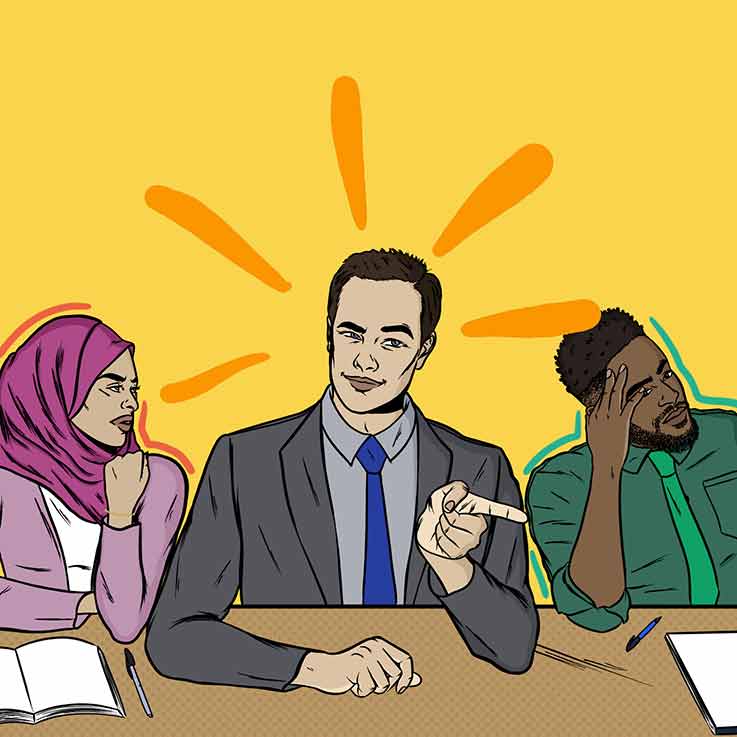
Links to all of SSIR's online-only articles published the past three months, with editors' notes about standout pieces on racism, the social economy, grassroots movements, global development, and the climate crisis.

Building better relationships between funders and nonprofits, and investing in capacity, will mean more resilient organizations and more impact.

Participants are not simply the intended beneficiaries of nonprofit programs. Their organizational experience, in addition to their program experience, should guide nonprofit management to achieve more meaningful social impact.


Funders are calling for more program evaluation, but nonprofits are often collecting dubious data, at great cost to themselves and ultimately to the people they serve.

Large-scale social change requires broad cross-sector coordination, not the isolated intervention of individual organizations.
For NGOs, impact comes in different forms and to track the cycles of social change work, we must think across the tangibility and the speed of emergence of change.

With an understanding of these 10 funding models, nonprofit leaders can use the for-profit world's valuable practice of engaging in succinct and clear conversations about long-term financial strategy.

Fair Trade-certified coffee is growing in sales, but strict certification requirements are resulting in uneven economic advantages for coffee growers and lower quality coffee for consumers.