
Opening Up Educational Opportunities Through Network Leadership
How a network mindset can break down silos between public agencies and nonprofits to successfully promote equitable and accessible education.

How a network mindset can break down silos between public agencies and nonprofits to successfully promote equitable and accessible education.

Four leaders of United Ways across the United States discuss shifting their roles from funders to true partners in collective impact efforts.

Years of implementing, studying, and iterating on cash transfer programs have revealed some important lessons about achieving long-term impact.
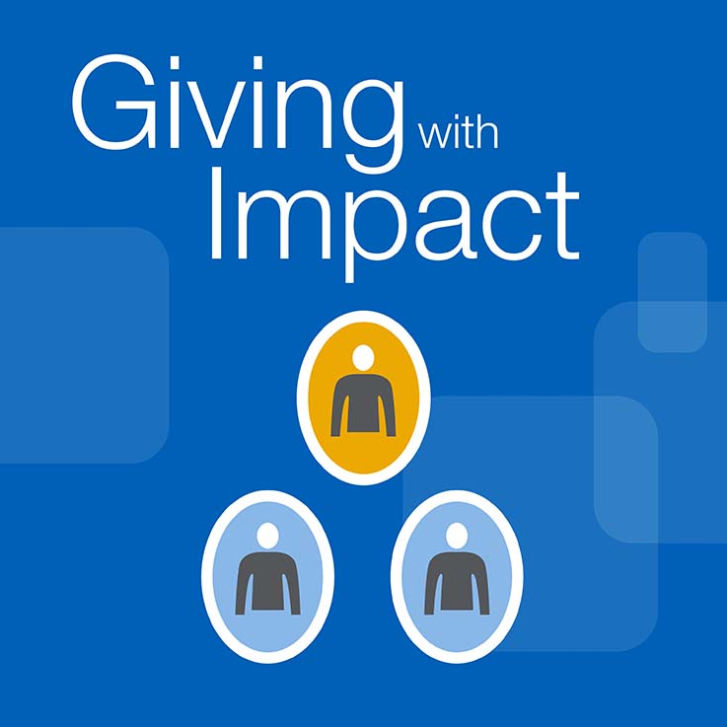
A collective giving approach to philanthropy, often translated into giving circles, brings people together to focus on community needs and community-driven solutions. This episode of Giving With Impact explores this people-centered approach to philanthropy. A sponsored podcast developed with the support of DAFgiving360.

Highlights from book excerpts published by SSIR online this year on topics including mutualism, grassroots development, breakthrough ideas, racial injustice, and well-being.


Funders are calling for more program evaluation, but nonprofits are often collecting dubious data, at great cost to themselves and ultimately to the people they serve.

Large-scale social change requires broad cross-sector coordination, not the isolated intervention of individual organizations.

For NGOs, impact comes in different forms and to track the cycles of social change work, we must think across the tangibility and the speed of emergence of change.

With an understanding of these 10 funding models, nonprofit leaders can use the for-profit world's valuable practice of engaging in succinct and clear conversations about long-term financial strategy.

Fair Trade-certified coffee is growing in sales, but strict certification requirements are resulting in uneven economic advantages for coffee growers and lower quality coffee for consumers.