

Respecting the Rights of Indigenous Peoples as Renewable Energy Grows
Addressing climate change requires that we transition quickly to renewable energy while grounding our efforts in human rights.
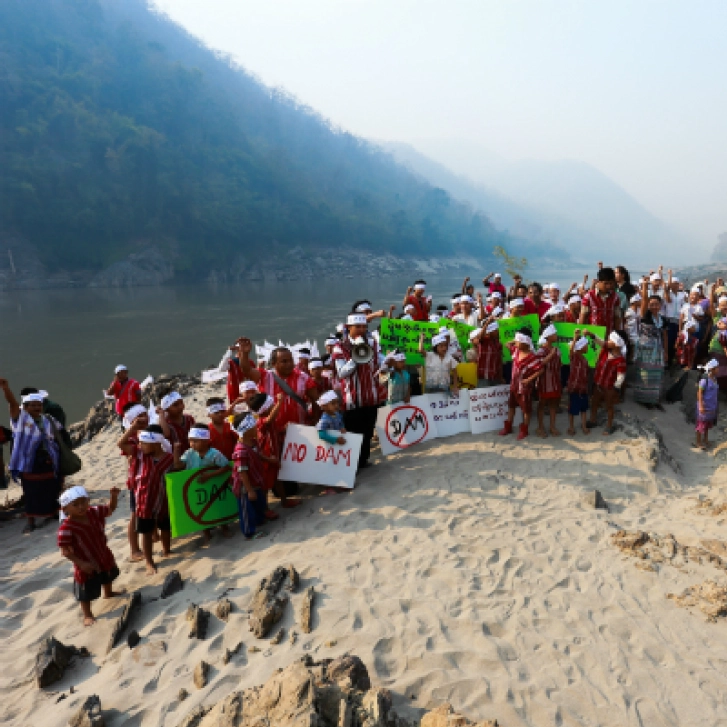
Addressing climate change requires that we transition quickly to renewable energy while grounding our efforts in human rights.

In the shift from #MeToo to Time’s Up, movement leaders are strategically framing sexual violence as a social and cultural problem, rather than an individual problem. Doing so helps people think about the broad range of actions we can take to systemically prevent sexual violence.

Autonomous technologies can support social services programs, but delivery must always be centered around people.

Building truly inclusive economies requires that leaders broaden their understanding of gender and the many different ways gender identity can affect inclusion.

Stanford's Lucy Bernholz moderates a discussion on how social sector organizations can utilize the power of data while integrating critical concerns of security, transparency, and responsible governance into their culture.


Professionalism has become coded language for white favoritism in workplace practices that more often than not leave behind people of color. This is the fourth of 10 articles in a special series about diversity, equity, and inclusion.

Laws and programs designed to benefit vulnerable groups, such as the disabled or people of color, often end up benefiting all of society.

A clear definition of equity would seem paramount to galvanizing philanthropy into action around this increasingly used term—but the field is only beginning to explore what it really means.

Stereotypes and racial bias in hiring and promotion are damaging at personal, career, and organizational levels.

Because decentralization doesn’t necessarily mean redistributing power, Web3 must make values integral to the architecture.