

The Missing Politics of Female Empowerment
Humanitarian nonprofits unconsciously reinforce the very conditions of women’s oppression they seek to eradicate in their programming.
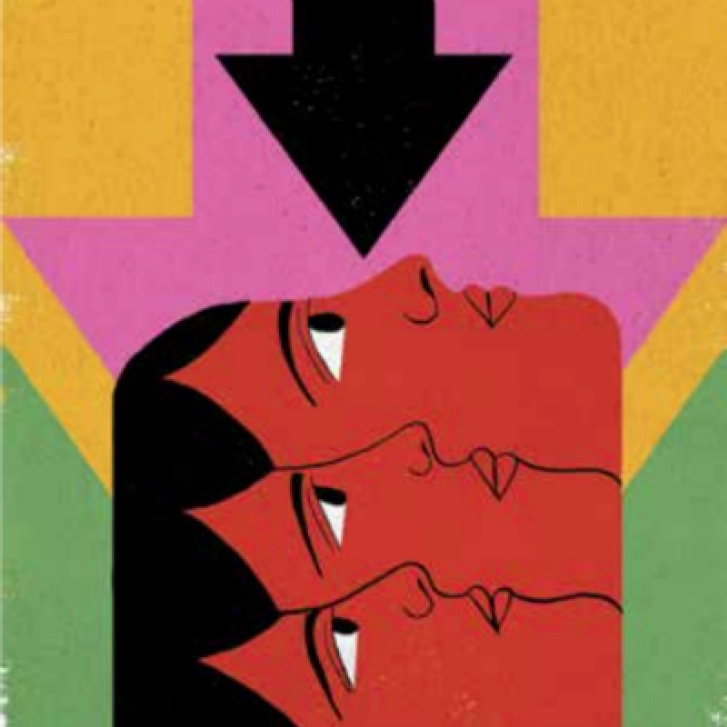
Humanitarian nonprofits unconsciously reinforce the very conditions of women’s oppression they seek to eradicate in their programming.
The authors of Equality for Women = Prosperity for All expose the economic wastefulness of gender inequity.

New digital projects could make legal services far more accessible—but they need to be about more than just the technology.
Systems are the bedrock of every society, but it is our shared dignity as human beings that truly determines whether a society works. When society becomes uncivil, it is clear that only our shared humanity as a people can save it.

Human trafficking, modern slavery, and child labor remain pressing concerns in many industries’ global supply chains. Harvard’s Siddharth Kara leads a discussion on how each sector can play a role in finding solutions.

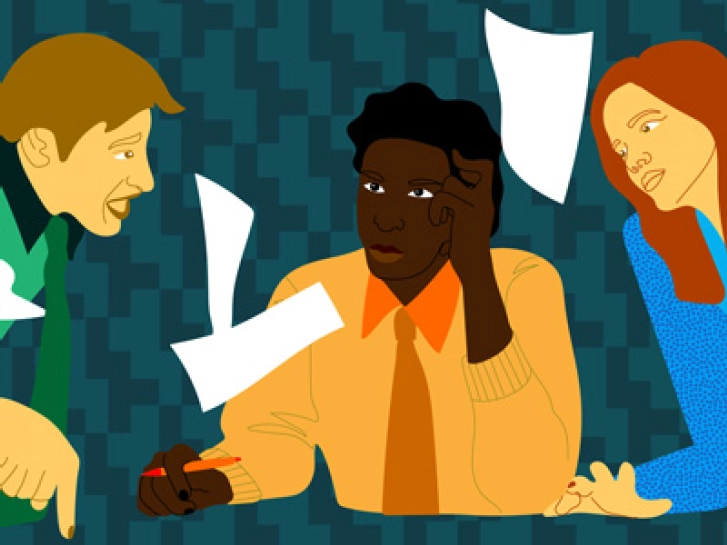
Professionalism has become coded language for white favoritism in workplace practices that more often than not leave behind people of color. This is the fourth of 10 articles in a special series about diversity, equity, and inclusion.

Laws and programs designed to benefit vulnerable groups, such as the disabled or people of color, often end up benefiting all of society.

A clear definition of equity would seem paramount to galvanizing philanthropy into action around this increasingly used term—but the field is only beginning to explore what it really means.
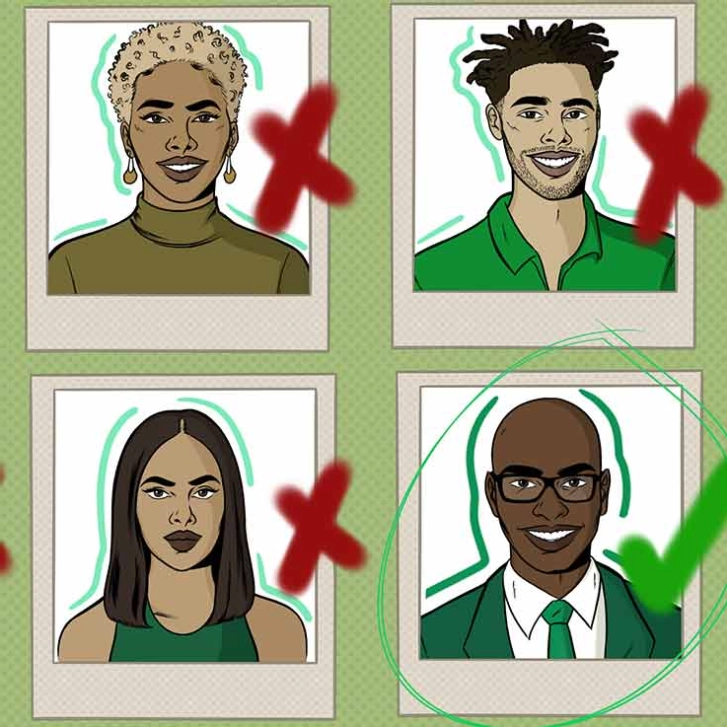
Stereotypes and racial bias in hiring and promotion are damaging at personal, career, and organizational levels.

Because decentralization doesn’t necessarily mean redistributing power, Web3 must make values integral to the architecture.