



Networked Impact: This is Not Your Grandfather’s Coalition
The 100Kin10 effort to increase the number of STEM teachers in America’s classrooms offers insights into an emerging model for social change.
The 100Kin10 effort to increase the number of STEM teachers in America’s classrooms offers insights into an emerging model for social change.
How can the public sector create a culture that's friendly to human-centered design?
A dialogue about how nonprofits can do a better job integrating design thinking into their work.
It is time to connect our classrooms with the world.
It’s time to boldly reimagine the high-school experience using the power of human-centered design, the latest adolescent neuroscience, and purpose learning.

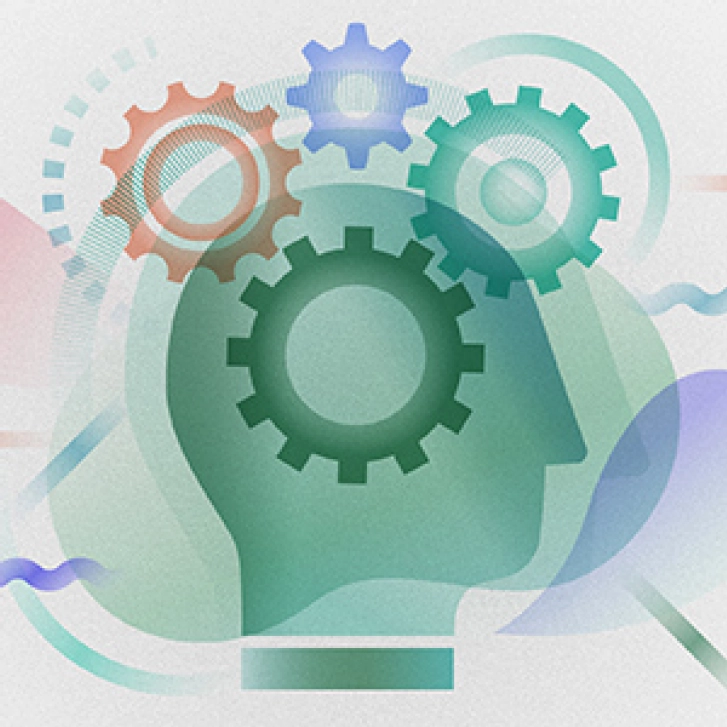
By working closely with the clients and consumers, design thinking allows high-impact solutions to social problems to bubble up from below rather than being imposed from the top.
Both human-centered and systems-thinking methods fit within an effective design approach, and can work in conjunction to address social challenges.
Design is a process especially suited to divergent thinking—the exploration of new choices and alternative solutions.

Principles and tactics for creating strategic convenings that foster meaningful interaction and outcomes.

An ethical framework can bridge the worlds of startup technology and international development to strengthen cross-sector innovation in the social sector.