

Three Things Great Data Storytellers Do Differently
The true power of data comes from conveying the “so what” behind the numbers, inspiring people to probe new questions, and using it for rigorous statistical inquiry.
New ways to measure and evaluate the impact an organization’s work has on society (more)
The true power of data comes from conveying the “so what” behind the numbers, inspiring people to probe new questions, and using it for rigorous statistical inquiry.

The rigorous use of data to guide social funding decisions is essential, but to do it well, we need to broaden the evidence base, focus on principles of practice, and embrace adaptive integration over fidelity.

After developing a new building technique, the nonprofit ARZU Studio Hope used the technique to build a preschool in Afghanistan as part of its mission to support education for women and children.
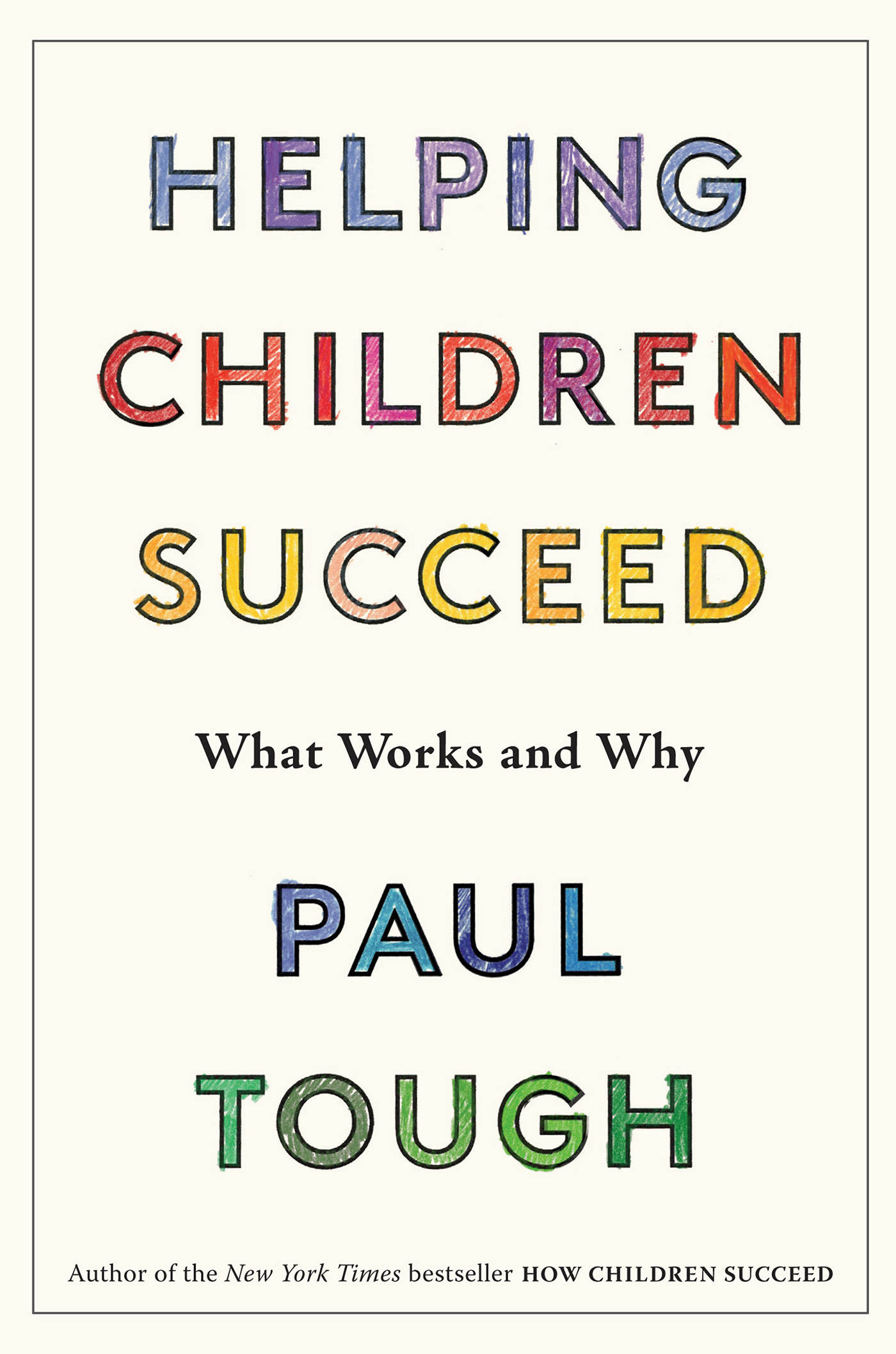
Building on his previous work about the importance of personal traits such as perseverance in student success, Paul Tough focuses Helping Children Succeed on how educators, policymakers, and parents can help children develop those attributes.
Connie Duckworth, founder and CEO of ARZU Studio Hope, discusses her goals for the organization and her intention to run ARZU as a “profitable nonprofit.”
Emmett Carson, founding CEO of Silicon Valley Community Foundation, discusses the importance of seeing evaluation as a partnership between foundations and grantees.

How nonprofits and social businesses can use data to inform decision-making and evaluate performance.
A new program gives nonprofits the resources to listen more closely to the people they serve.
Ariadne Labs, founded by Atul Gawande, seeks to improve outcomes by getting health-care organizations to adopt proven interventions.

International metrics on human rights, gender violence, and sex trafficking aren't nearly as objective as they seem. But they still have their uses.