

Defining Evidence Down
With evidence-based policy, we need to acknowledge that some evidence is more valid than others. Pretending all evidence is equal will only preserve the status quo.
New ways to measure and evaluate the impact an organization’s work has on society (more)
With evidence-based policy, we need to acknowledge that some evidence is more valid than others. Pretending all evidence is equal will only preserve the status quo.
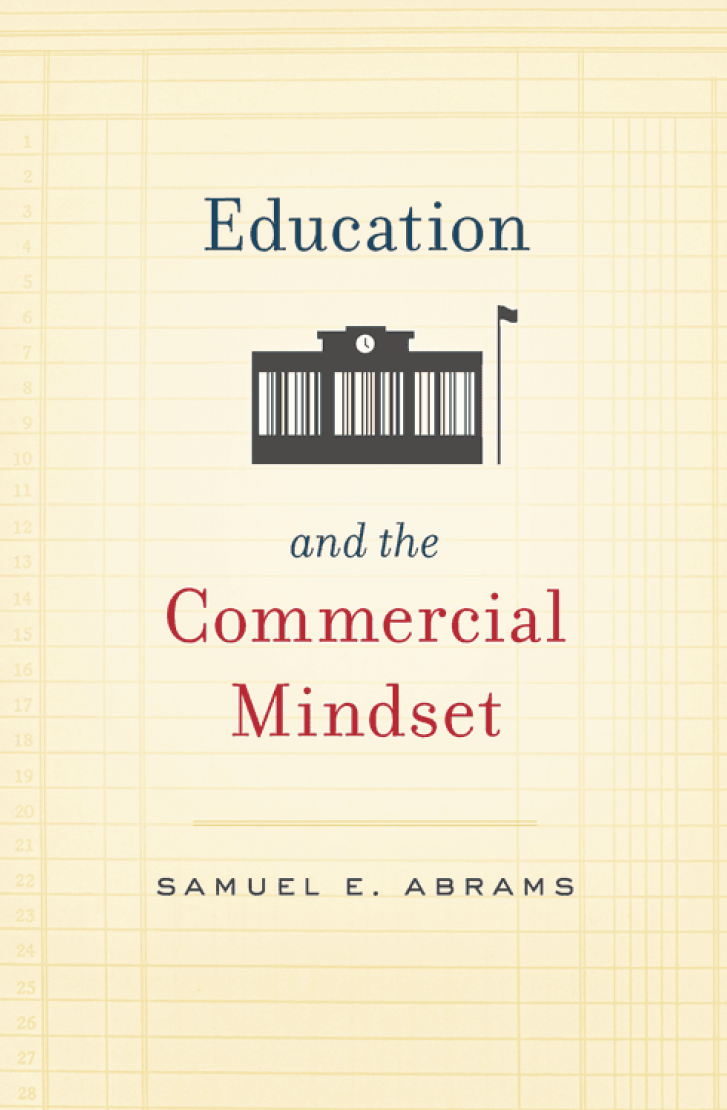
A chief reason for Finnish schools' much-touted success is that, ironically, they have done a better job implementing core business strategies than many explicitly market-based educational models.

How the education nonprofit City Year tackled “measurement drift” by reorienting its measurement activities around one simple premise: Data should support better decision-making.
Data experts consider the compelling ways in which organizations can use data visualization to assess impact, fundraise, and display outcomes.
Experts discuss how Aspire Public Schools used data to build accountability, leadership, and capacity.
Experts discuss how data mining can help organizations effectively measure impact and optimize their work.
Dylan Hendricks of the Institute for the Future discusses the possibilities and limitations of application programming interfaces (APIs) in an increasingly networked world.
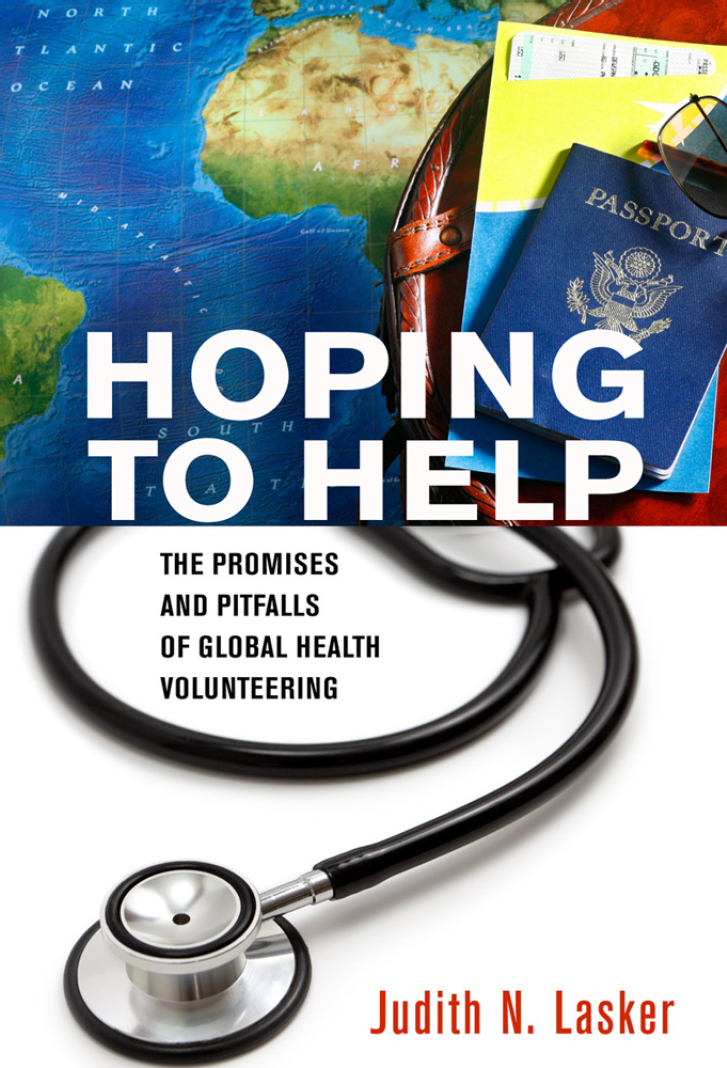
Drawing on extensive field research and surveys, Lasker suggests several ways to make international health volunteering more effective.
Unless companies commit to measuring impact, their sustainability initiatives will solve only pockets of social problems or have no real impact at all.

How a commitment to effective messaging research helped reframe the debate around freedom to marry and win greater support.