
The Problem With AI Is Us
AI does not herald the end of humanity—or it doesn’t have to, philosopher Shannon Vallor argues in The AI Mirror, if we decide to change its use and design.
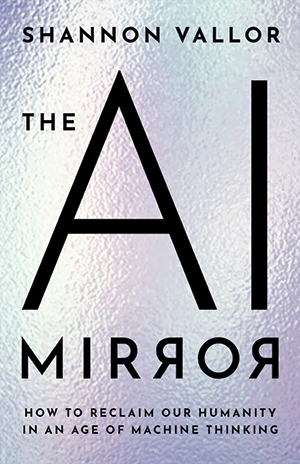
AI does not herald the end of humanity—or it doesn’t have to, philosopher Shannon Vallor argues in The AI Mirror, if we decide to change its use and design.
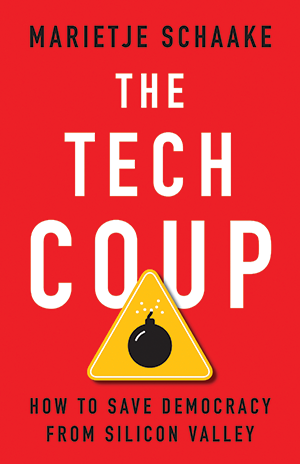
In The Tech Coup, former politician turned AI policy analyst Marietje Schaake warns that governments have ceded too much power to Silicon Valley—to the detriment of the public good.

AI is being used in exciting ways to bridge educational divides, and AI-powered nonprofits are creating a roadmap for what the future of education may hold.

Founders and investors should think about more than scale as they roll out gig economy platforms to the developing world. Doing so won’t just help workers; it will give platforms a better chance at success.
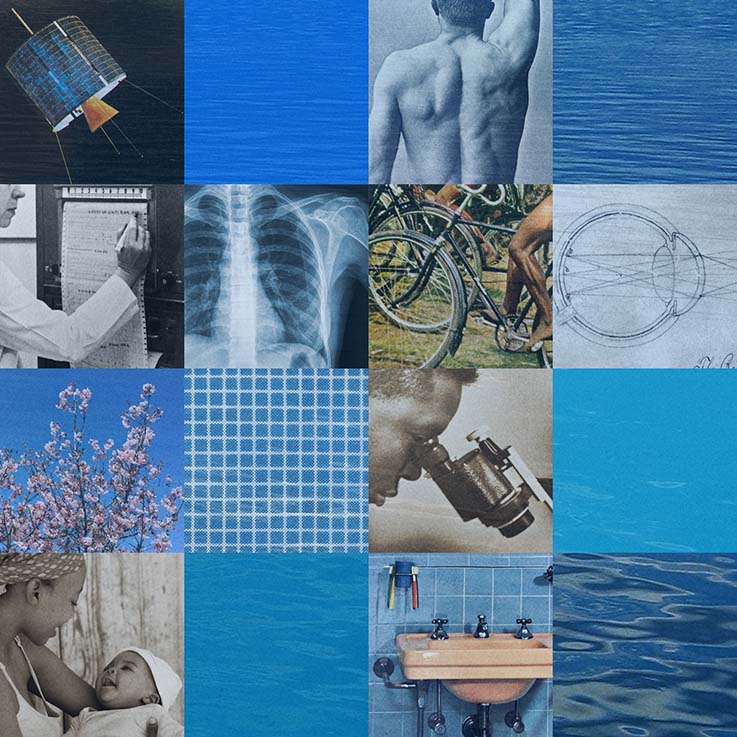
AI has the power to change our understanding of the inherent tradeoffs between access to care, quality of care, and cost of care.

Five principles based in social science that will help organizations connect their work to what people care most about.

Six pathways to making housing more affordable and available from the Ivory Prize for Housing Affordability.

A recent study found three common barriers to knowledge sharing across nonprofits and their networks, as well as ways and means to overcome them.
Two veterans of consumer psychology, marketing, and entrepreneurship provide a guide to using social media for social change.
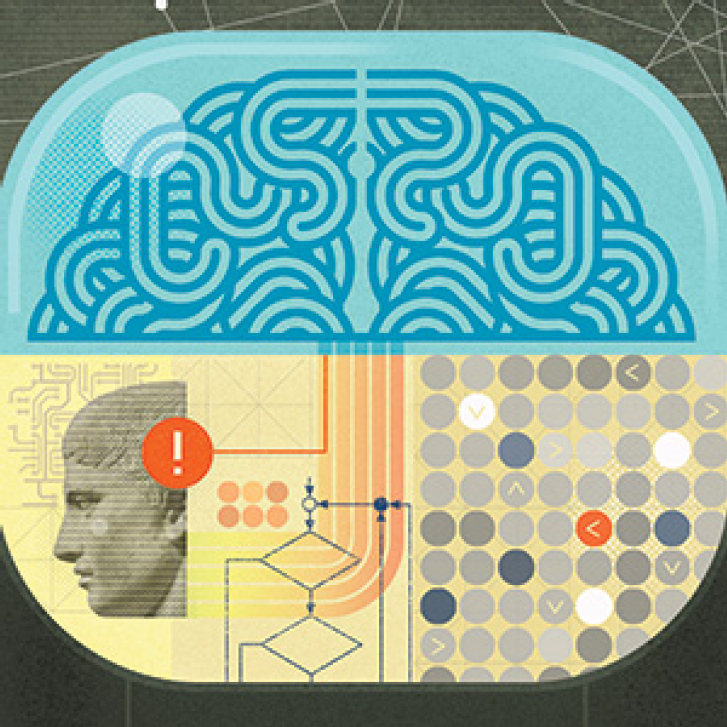
Using artificial intelligence to predict behavior can lead to devastating policy mistakes. Health and development programs must learn to apply causal models that better explain why people behave the way they do to help identify the most effective levers for change.