

Open Source Software Is Philanthropy
When properly supported, open source software can spark innovation, accelerate social good, and ultimately help change the world.

When properly supported, open source software can spark innovation, accelerate social good, and ultimately help change the world.

Why nonprofits need to evaluate the ethics of their algorithms.

By understanding risks and establishing mitigation strategies in advance of digital product innovation, organizations can save resources while deepening their impact.
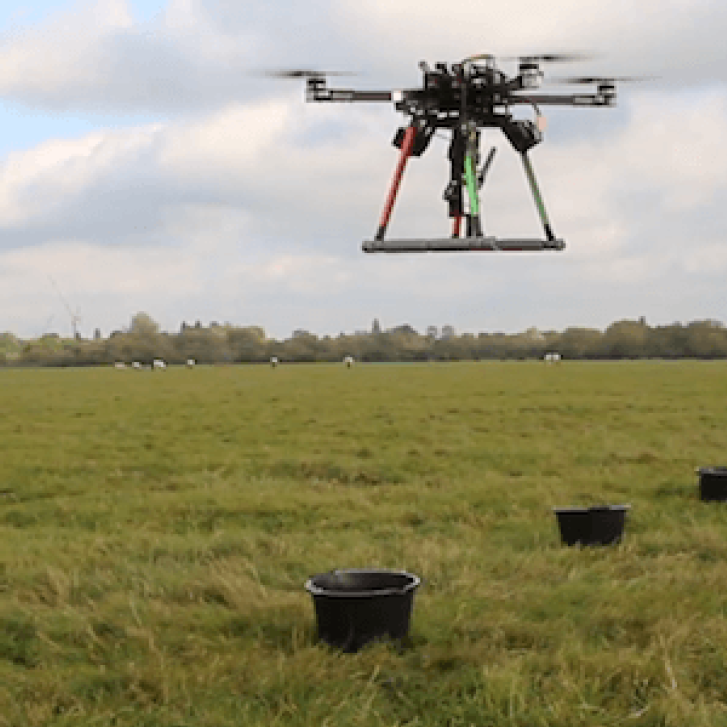
To fight deforestation, a UK-based startup is using unmanned aerial vehicles that can plant seeds 60 times faster than humans can.
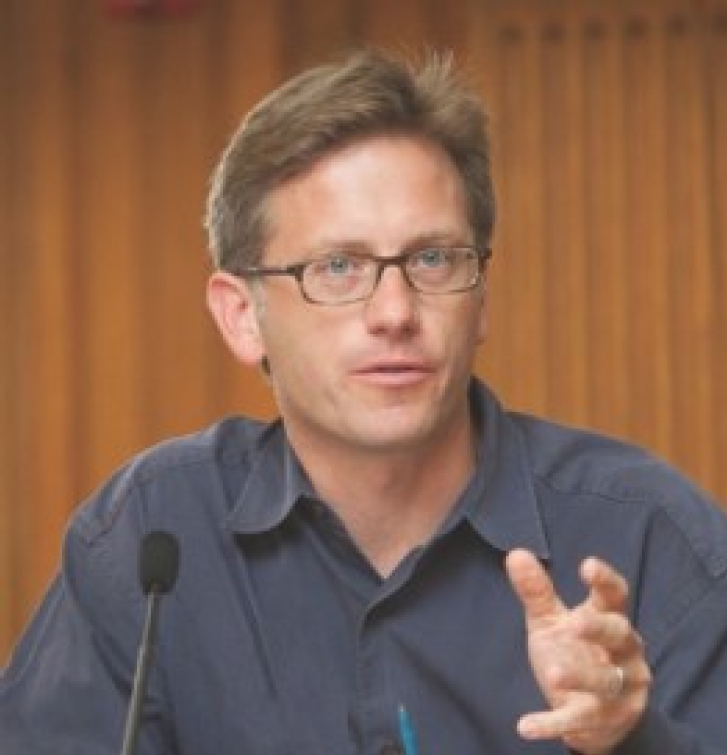
Stanford's Rob Reich and George Triantis, and Eli Sugarman of the William and Flora Hewlett Foundation's Cyber Initiative, discuss the urgent need for better understanding of cyber-social systems.

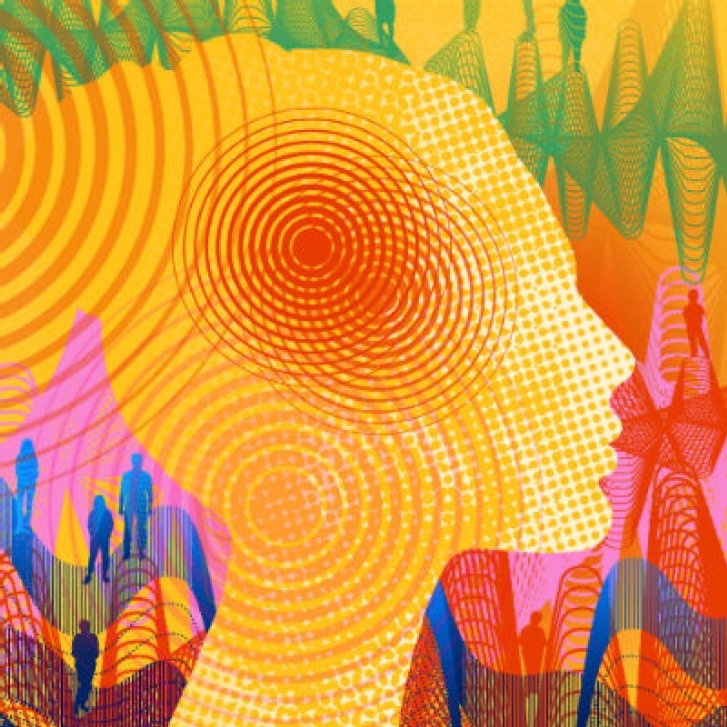
Five principles based in social science that will help organizations connect their work to what people care most about.

Six pathways to making housing more affordable and available from the Ivory Prize for Housing Affordability.

A recent study found three common barriers to knowledge sharing across nonprofits and their networks, as well as ways and means to overcome them.

Two veterans of consumer psychology, marketing, and entrepreneurship provide a guide to using social media for social change.
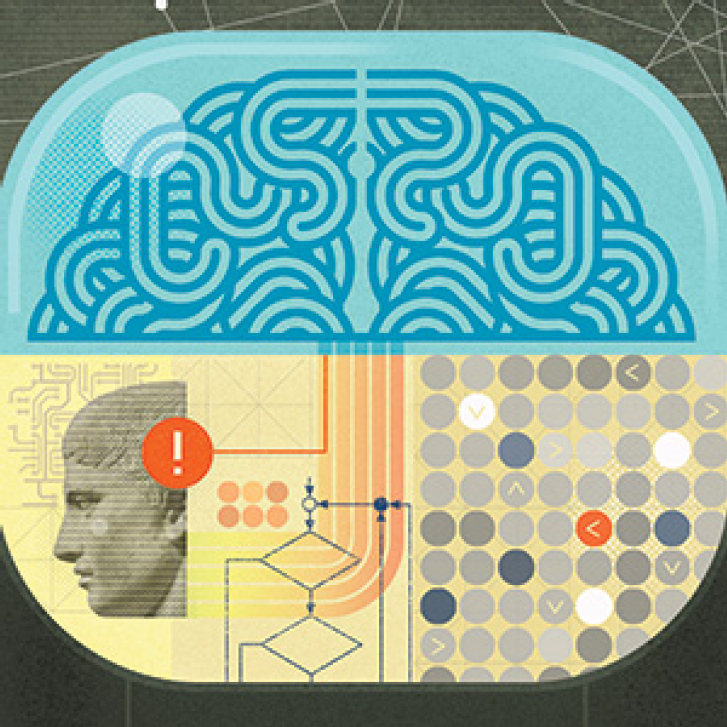
Using artificial intelligence to predict behavior can lead to devastating policy mistakes. Health and development programs must learn to apply causal models that better explain why people behave the way they do to help identify the most effective levers for change.