
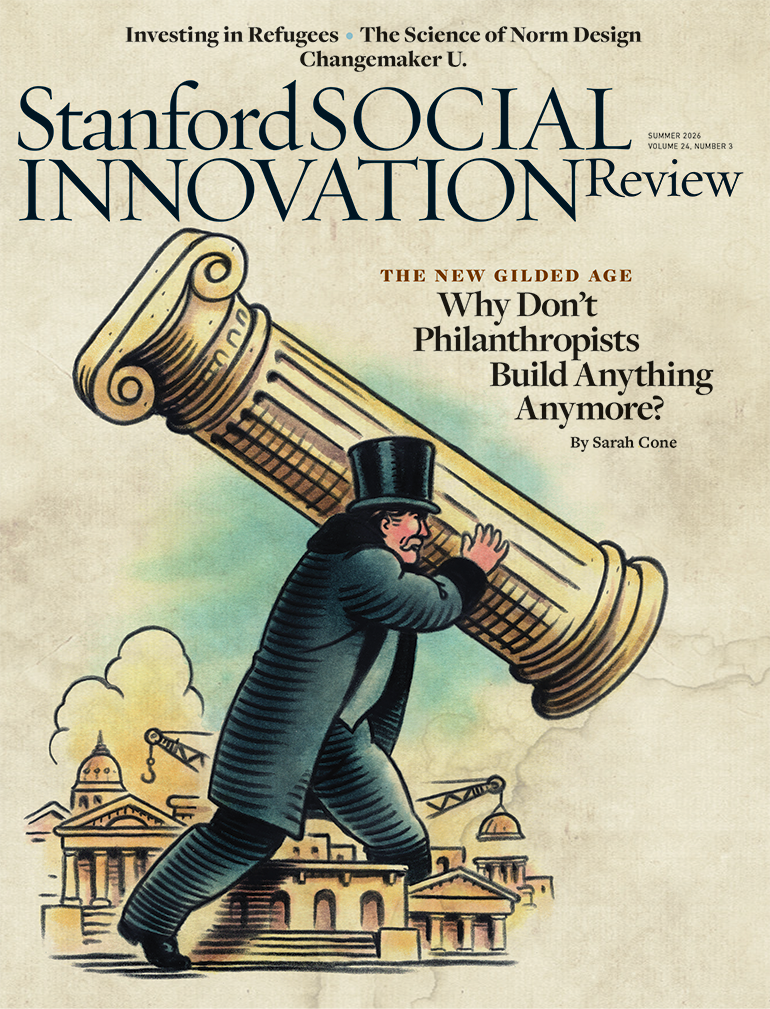

’Tis the Season for Nonprofits to Maximize Online Donations
Behavioral economics research shows how small nudges can make a big difference to end-of-year fundraising results.

Behavioral economics research shows how small nudges can make a big difference to end-of-year fundraising results.
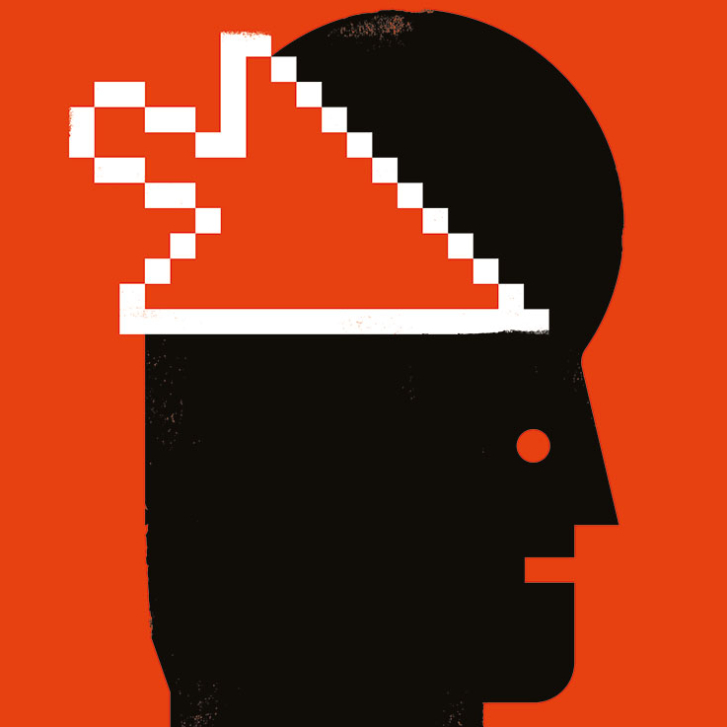
We face a choice between two models for donating data: one governed by corporations and one determined by grassroots civic action. The winner will decide how much control we have over our digital information.

A young architect is tackling water scarcity with a household desalination device.
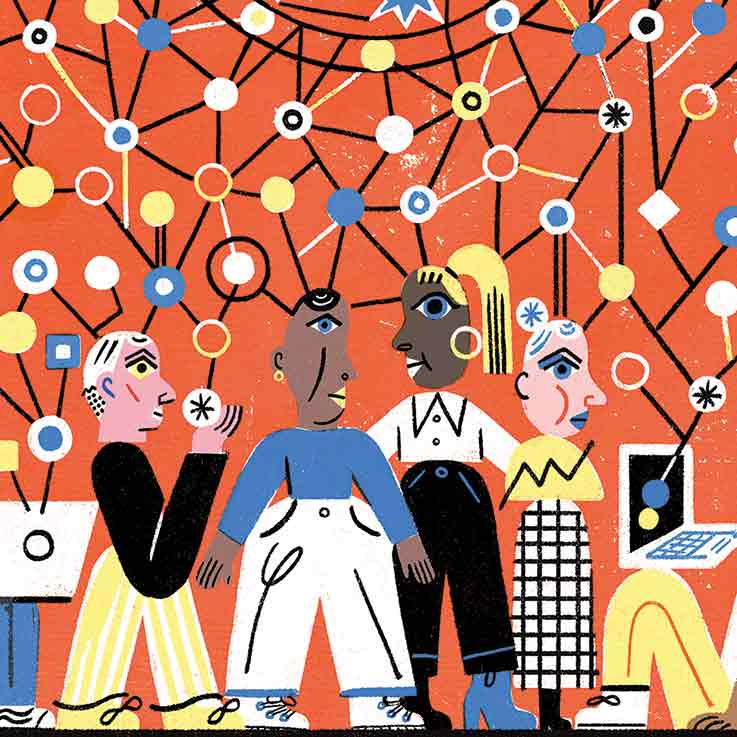
A new approach to tackling social problems orchestrates the participation of multiple stakeholders in the process from generating ideas to scaling solutions.
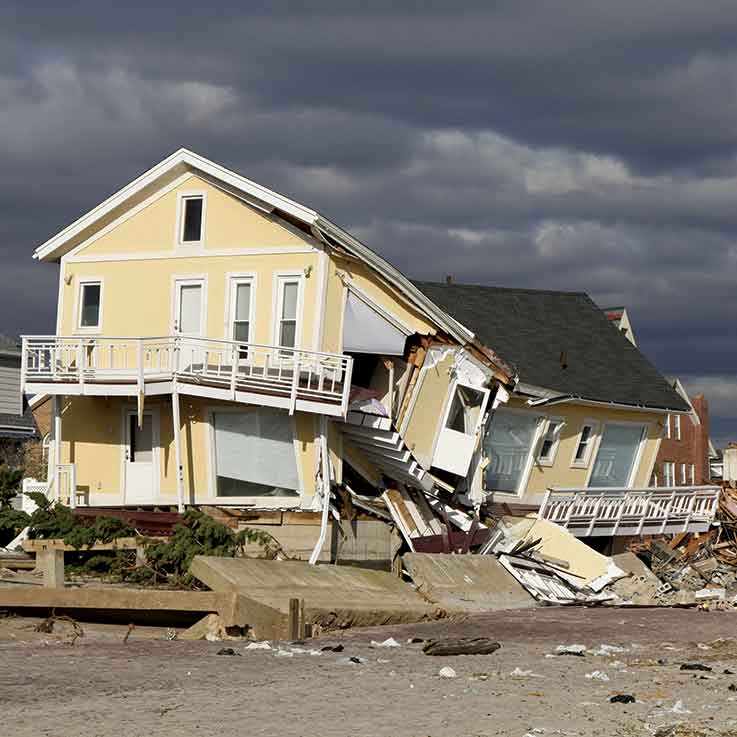
Climate Risk Labs (CRL), one of the emerging nonprofits tackling the climate crisis, aims to accelerate climate science research and build partnerships that utilize CRL’s data sets to shape future clean energy solutions.


Five principles based in social science that will help organizations connect their work to what people care most about.

Six pathways to making housing more affordable and available from the Ivory Prize for Housing Affordability.

A recent study found three common barriers to knowledge sharing across nonprofits and their networks, as well as ways and means to overcome them.

Two veterans of consumer psychology, marketing, and entrepreneurship provide a guide to using social media for social change.
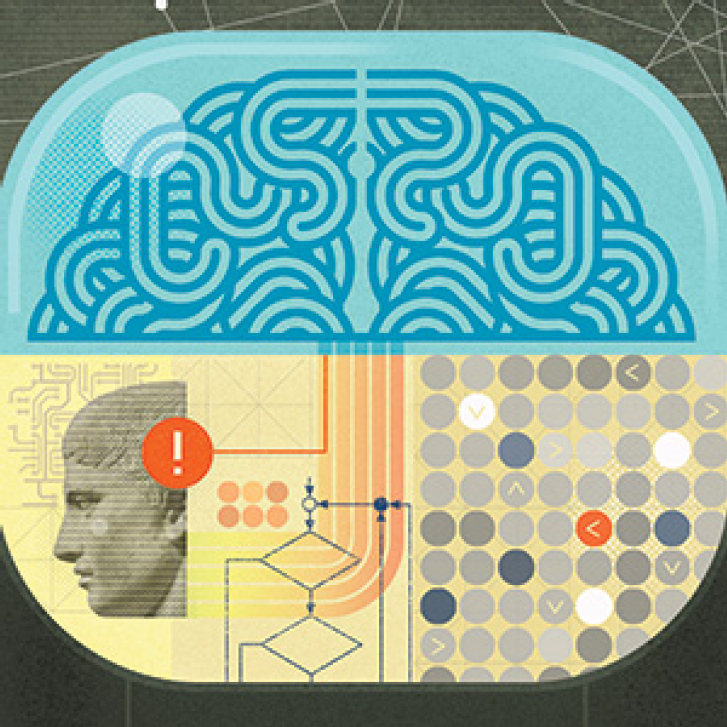
Using artificial intelligence to predict behavior can lead to devastating policy mistakes. Health and development programs must learn to apply causal models that better explain why people behave the way they do to help identify the most effective levers for change.