

Data On Purpose | Do Good Data: Causal Inference Meets Big Data
Hal Varian, chief economist at Google, discusses methods of big data analysis that can indicate not just correlation but also causality.

Hal Varian, chief economist at Google, discusses methods of big data analysis that can indicate not just correlation but also causality.
Not every nonprofit has a data science team. To truly harness big data for social good, we need collaborations between individuals, across organizations, and across sectors.
Communities cannot and should not wait for external forces to bridge local opportunity divides.
Impact investing makes sense in theory, but there are good reasons, particularly for large foundations, to pause before putting a lot of resources into it.
Many managers assume praise will support a positive working environment, and help employees open up to criticism or feel good about themselves. But in fact, praise perpetuates a scarcity myth—usually without us realizing it.


Funders are calling for more program evaluation, but nonprofits are often collecting dubious data, at great cost to themselves and ultimately to the people they serve.

Large-scale social change requires broad cross-sector coordination, not the isolated intervention of individual organizations.
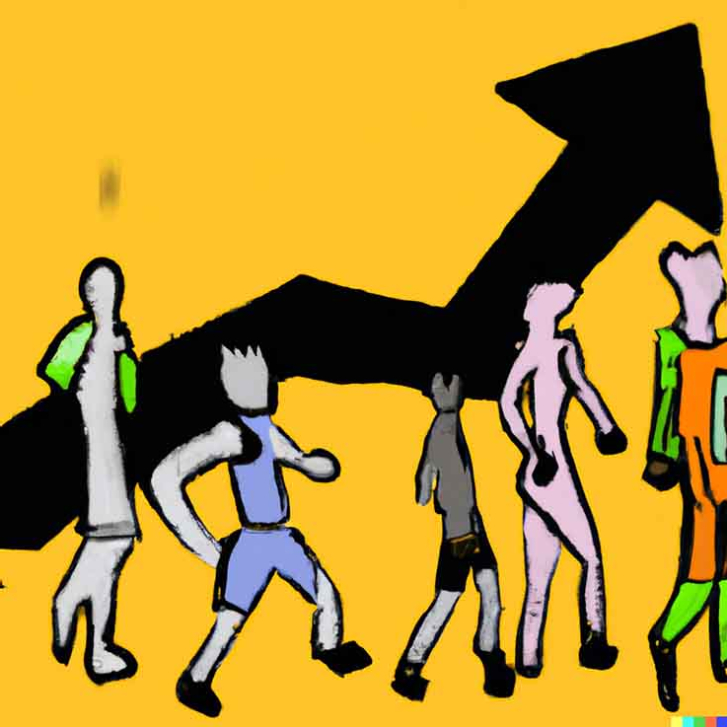
For NGOs, impact comes in different forms and to track the cycles of social change work, we must think across the tangibility and the speed of emergence of change.

With an understanding of these 10 funding models, nonprofit leaders can use the for-profit world's valuable practice of engaging in succinct and clear conversations about long-term financial strategy.

Professionalism has become coded language for white favoritism in workplace practices that more often than not leave behind people of color. This is the fourth of 10 articles in a special series about diversity, equity, and inclusion.