


Turning Short-Term Crisis Relief Into Longer-Term Social Innovation
How civil society responses to COVID-19 in South Africa are resisting the all-too-common return to pre-crisis “normal.”
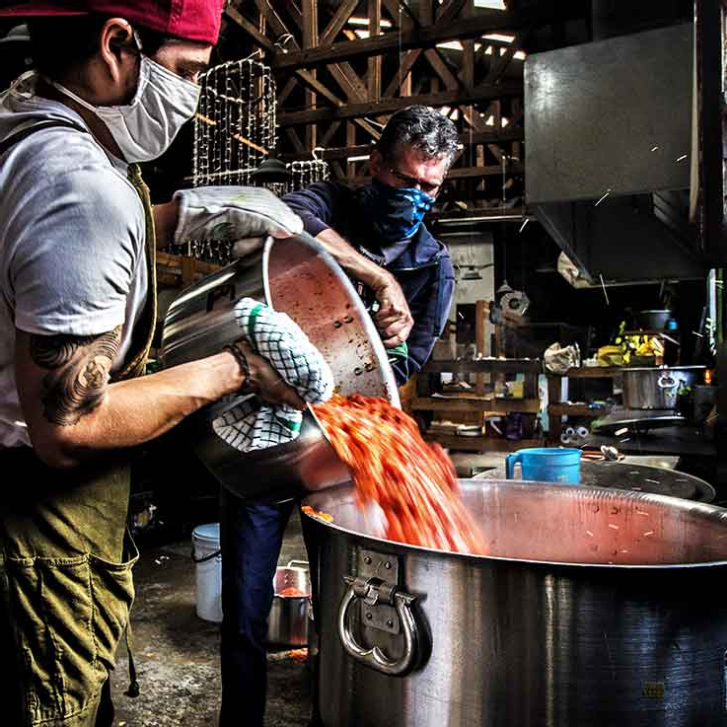
How civil society responses to COVID-19 in South Africa are resisting the all-too-common return to pre-crisis “normal.”
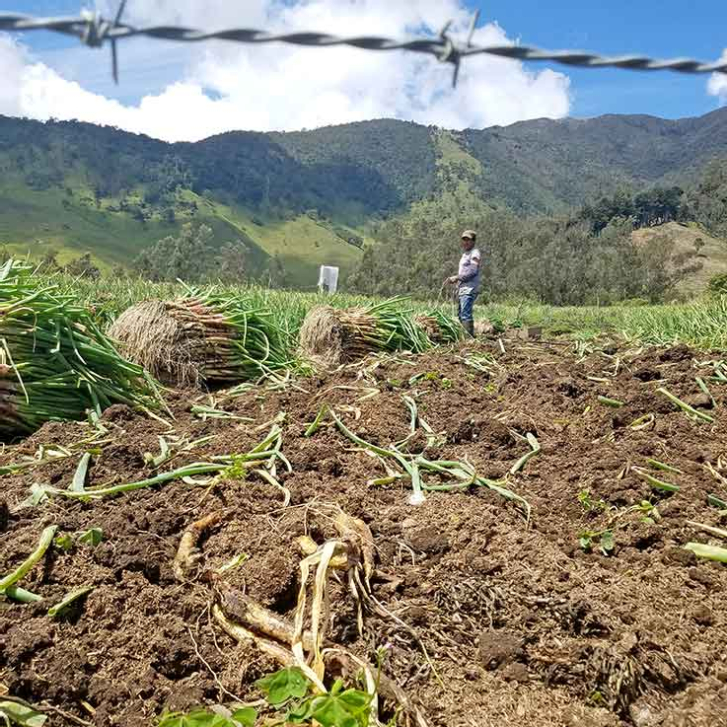
As climate change creates new ambiguity problems for farmers, communities need to better understand and assess their own environments.

A new book argues that media and tech disruption creates the best scenarios for social change.

What the 2020 US presidential election can teach us about the need for new knowledge in the digital age.

To realize the deep systemic change that America is demanding, philanthropy must reorganize to build and demonstrate a trust-based culture, invest in community leadership capacity-building, and open up decision-making and information-sharing structures.


Large-scale social change requires broad cross-sector coordination, not the isolated intervention of individual organizations.
With an understanding of these 10 funding models, nonprofit leaders can use the for-profit world's valuable practice of engaging in succinct and clear conversations about long-term financial strategy.

Professionalism has become coded language for white favoritism in workplace practices that more often than not leave behind people of color. This is the fourth of 10 articles in a special series about diversity, equity, and inclusion.

By working closely with the clients and consumers, design thinking allows high-impact solutions to social problems to bubble up from below rather than being imposed from the top.

Five principles based in social science that will help organizations connect their work to what people care most about.