

Coping With Mental Illness at Work
Employees experiencing mental illness successfully manage their symptoms by disengaging from some aspects of their jobs and engaging in others.
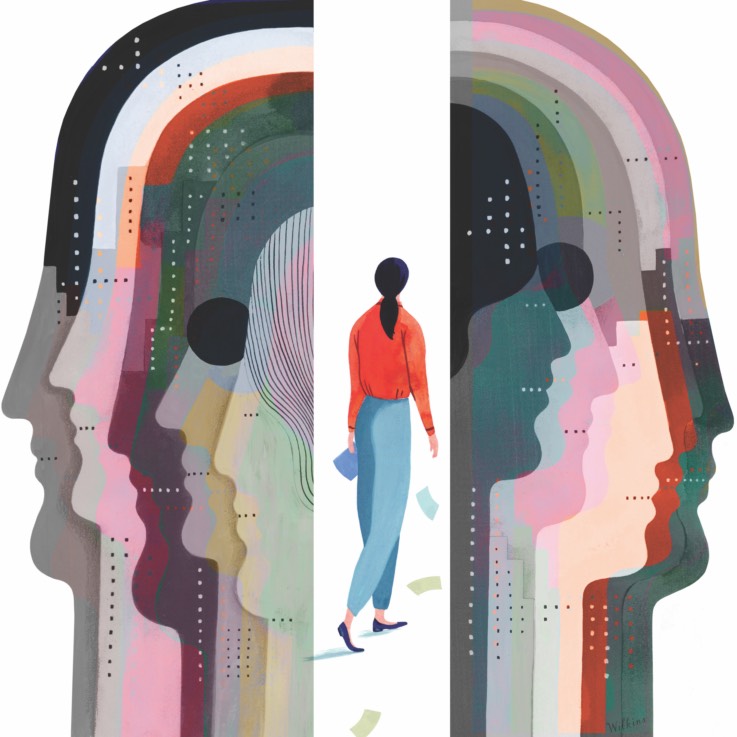
Employees experiencing mental illness successfully manage their symptoms by disengaging from some aspects of their jobs and engaging in others.

The social returns of investments in education too often go unmeasured and undervalued.

What SSIR readers are saying about articles on impact accounting's equity problem, leadership that meets the moment, and better strategies for board recruitment.

Jason Corburn and DeVone Boggan's Advancing Peace explores a striking model for addressing urban gun violence without police.

What would the United States look like if every American had the opportunity to succeed?


Large-scale social change requires broad cross-sector coordination, not the isolated intervention of individual organizations.

With an understanding of these 10 funding models, nonprofit leaders can use the for-profit world's valuable practice of engaging in succinct and clear conversations about long-term financial strategy.

Professionalism has become coded language for white favoritism in workplace practices that more often than not leave behind people of color. This is the fourth of 10 articles in a special series about diversity, equity, and inclusion.

By working closely with the clients and consumers, design thinking allows high-impact solutions to social problems to bubble up from below rather than being imposed from the top.

Five principles based in social science that will help organizations connect their work to what people care most about.