


Betting on Migration for Impact
Enabling people to move for opportunity should be an urgent priority for funders and social innovators who want to make a difference in global inequality.

Enabling people to move for opportunity should be an urgent priority for funders and social innovators who want to make a difference in global inequality.

Because of problems created by the incentive structure for carbon offsets as a mode of climate mitigation, companies should switch to a “contributions” framing to preserve a crucial flow of climate investment.

Understanding the historical roots of many foundation endowments is a critical step in considering the question of philanthropic reparations.

What the social innovation community needs to understand about Silicon Valley’s current hype cycle.
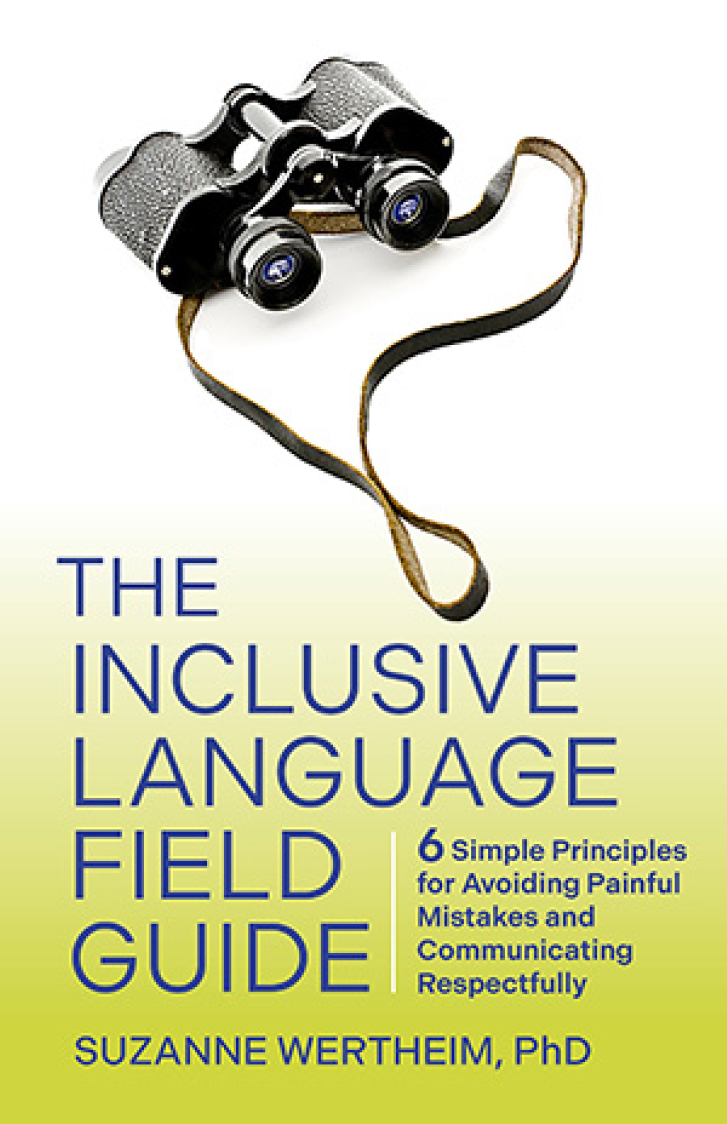
An excerpt from The Inclusive Language Field Guide on how we draw people in when we communicate


Large-scale social change requires broad cross-sector coordination, not the isolated intervention of individual organizations.

With an understanding of these 10 funding models, nonprofit leaders can use the for-profit world's valuable practice of engaging in succinct and clear conversations about long-term financial strategy.

Professionalism has become coded language for white favoritism in workplace practices that more often than not leave behind people of color. This is the fourth of 10 articles in a special series about diversity, equity, and inclusion.

By working closely with the clients and consumers, design thinking allows high-impact solutions to social problems to bubble up from below rather than being imposed from the top.

Five principles based in social science that will help organizations connect their work to what people care most about.