


When Social Change Requires Behavioral Change
Leaders behind two social impact efforts in India discovered that before they could improve lives, they first had to shift mindsets.
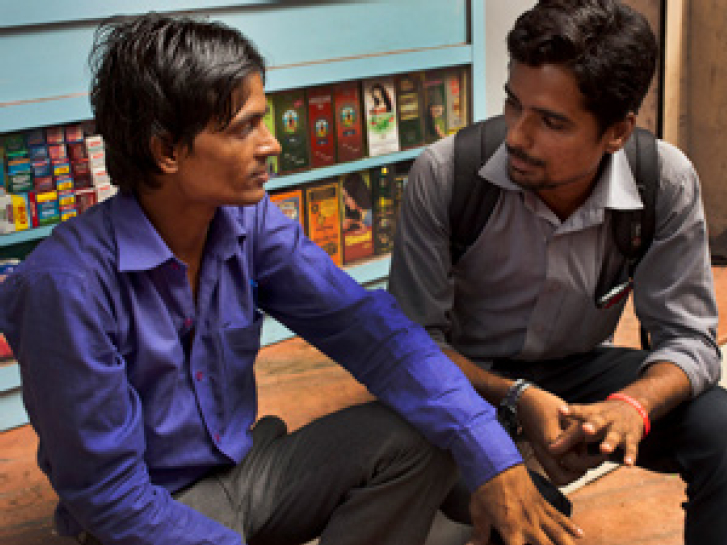
Leaders behind two social impact efforts in India discovered that before they could improve lives, they first had to shift mindsets.

DEI efforts should develop and maximize the potential impact of this important but often overlooked position. This is the ninth of 10 articles in a special series about diversity, equity, and inclusion.

In order to change the odds for marginalized children, social organizations must root their racial equity work in a commitment to learn from and be led by those who have experienced inequity themselves. This is the eighth of 10 articles in a special series about diversity, equity, and inclusion.

Blockchain can help with everything from refugees' identities to conflict diamonds, but it must be handled carefully to manage the values embedded within it.

Small farmers and food businesses are essential to building a resilient food system, but they need flexible, patient capital to thrive.


Large-scale social change requires broad cross-sector coordination, not the isolated intervention of individual organizations.

With an understanding of these 10 funding models, nonprofit leaders can use the for-profit world's valuable practice of engaging in succinct and clear conversations about long-term financial strategy.

Professionalism has become coded language for white favoritism in workplace practices that more often than not leave behind people of color. This is the fourth of 10 articles in a special series about diversity, equity, and inclusion.

By working closely with the clients and consumers, design thinking allows high-impact solutions to social problems to bubble up from below rather than being imposed from the top.

Five principles based in social science that will help organizations connect their work to what people care most about.