
Paying With Plastic
The Recycle Pay program allows parents to pay a portion or all of their children’s school fees by gathering plastic and discarded drinking-water bags, which are then recycled. A What's Next article from the Winter 2020 issue.
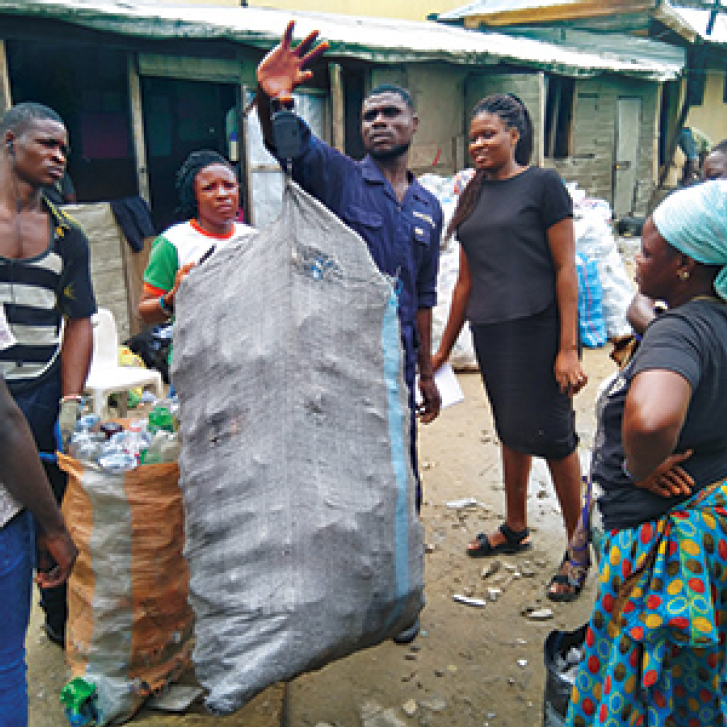
The Recycle Pay program allows parents to pay a portion or all of their children’s school fees by gathering plastic and discarded drinking-water bags, which are then recycled. A What's Next article from the Winter 2020 issue.
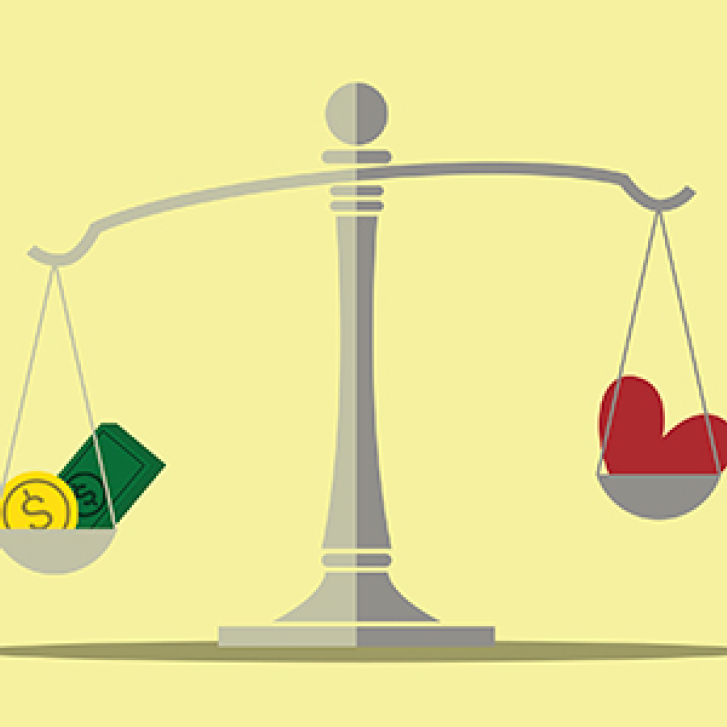
Instead of simply pegging success to traditional economic measures, like GDP, New Zealand wants policymaking to be driven by what will make the biggest difference to the well-being of people, their communities, and the environment. A What's Next article from the Winter 2020 issue.
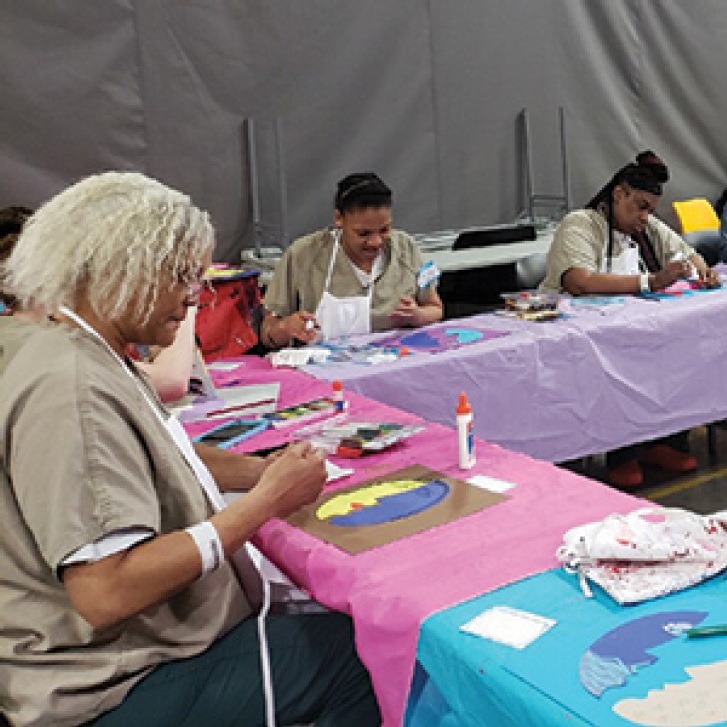
The Stepping Up Initiative uses webinars, a tool kit, and data collection to tackle the problem of people with serious mental illness being incarcerated in the United States approximately two million times each year. A Field Report from the Winter 2020 issue.
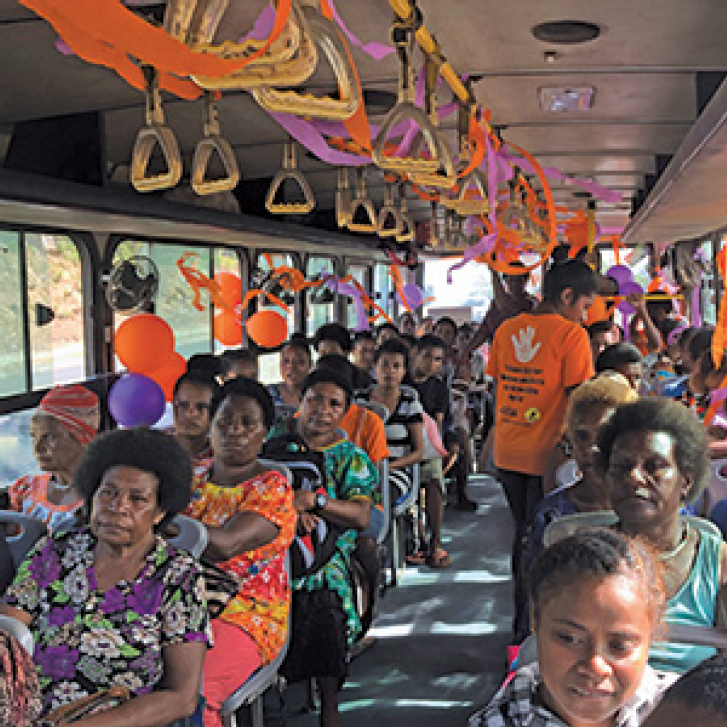
The women-only transportation program in Papua New Guinea is challenging social norms about gender by improving women's economic lives and securing girls' education. A Field Report from the Winter 2020 issue.

Interns in South Bend, Indiana, first collaborated to help restore a polluted neighborhood waterway. Then the project grew into something bigger. A Field Report from the Winter 2020 issue.


Large-scale social change requires broad cross-sector coordination, not the isolated intervention of individual organizations.

With an understanding of these 10 funding models, nonprofit leaders can use the for-profit world's valuable practice of engaging in succinct and clear conversations about long-term financial strategy.

Professionalism has become coded language for white favoritism in workplace practices that more often than not leave behind people of color. This is the fourth of 10 articles in a special series about diversity, equity, and inclusion.

By working closely with the clients and consumers, design thinking allows high-impact solutions to social problems to bubble up from below rather than being imposed from the top.

Five principles based in social science that will help organizations connect their work to what people care most about.