


Rebuilding Trust in American Institutions
Three co-governance models the new administration can use to genuinely empower people, create more-equitable policies, and rebuild trust in democratic institutions.

Three co-governance models the new administration can use to genuinely empower people, create more-equitable policies, and rebuild trust in democratic institutions.
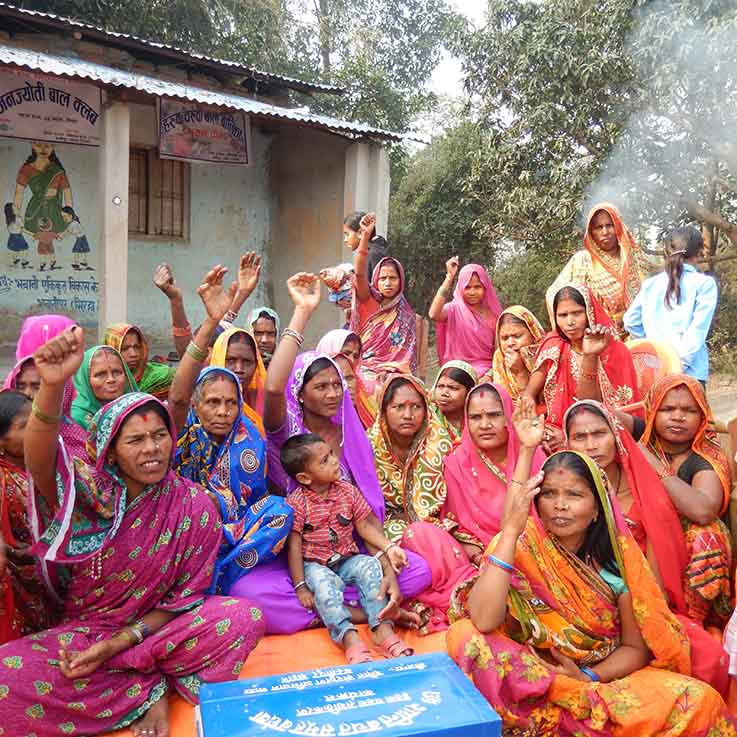
We must listen to survivors: Without providing financial security and the resources necessary to sustain freedom, simply liberating the victims of human trafficking isn’t enough.
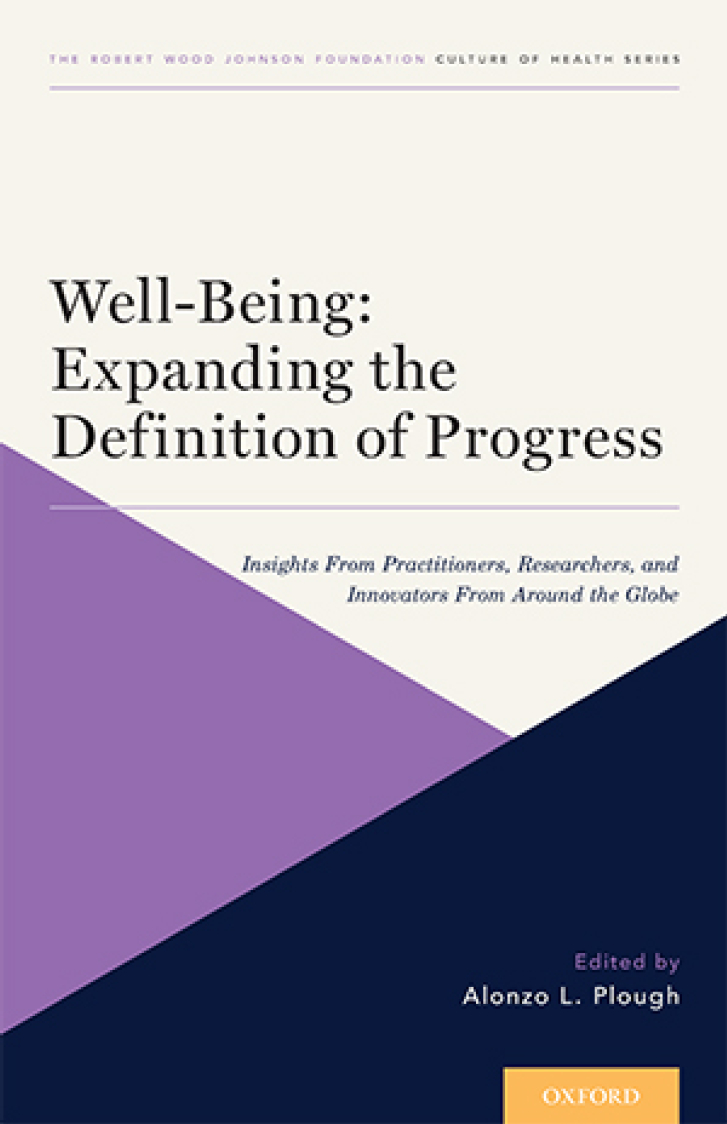
A new book proposes a framework for thinking about well-being to promote racial equity.

Social and behavioral sciences can help us understand why COVID-19 is making giving practices more localized and expansive.
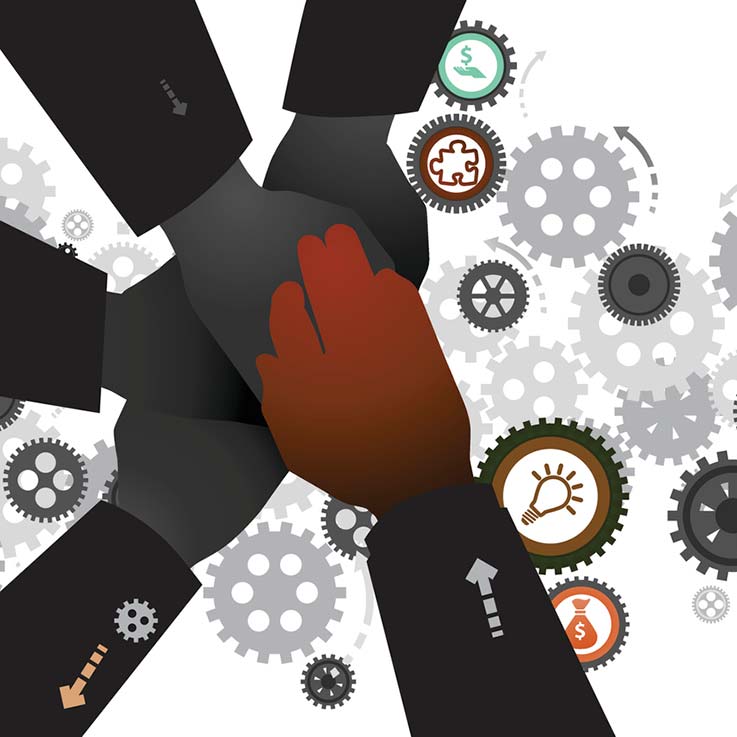
Enthusiasm for systems change is not new, and a broader historical perspective will help systems change enthusiasts learn from the past what NOT to do: replicate the ineffective mindsets and engineering approaches that have defined so much of the systems change work in our sectors.


Funders are calling for more program evaluation, but nonprofits are often collecting dubious data, at great cost to themselves and ultimately to the people they serve.

Large-scale social change requires broad cross-sector coordination, not the isolated intervention of individual organizations.
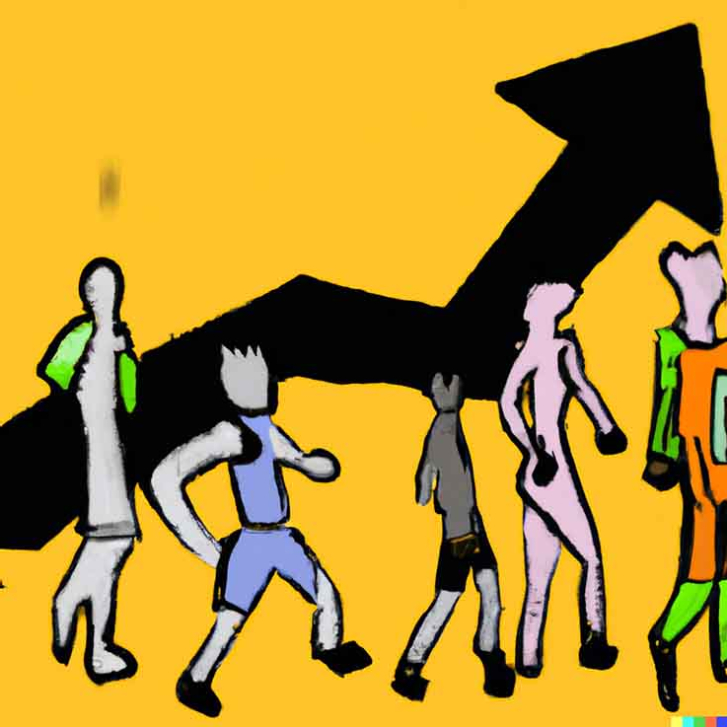
For NGOs, impact comes in different forms and to track the cycles of social change work, we must think across the tangibility and the speed of emergence of change.

With an understanding of these 10 funding models, nonprofit leaders can use the for-profit world's valuable practice of engaging in succinct and clear conversations about long-term financial strategy.

Social entrepreneurship is attracting growing amounts of talent, money, and attention, but along with its increasing popularity has come less certainty about what exactly a social entrepreneur is and does.