


sponsored
Supporting Society’s Bridge Builders
In a world of increasing complexity and polarization, system orchestrators drive collective action to achieve outsized impact.
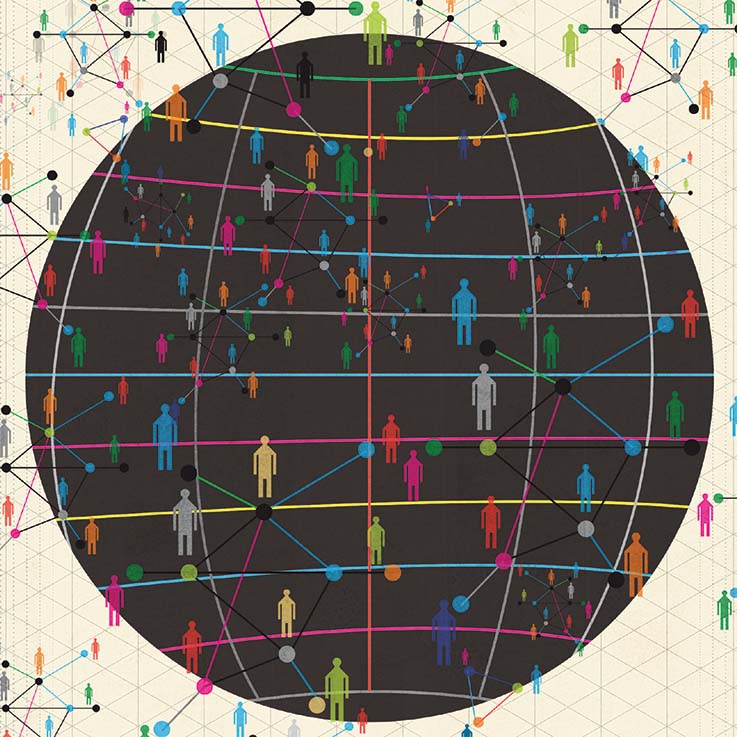
In a world of increasing complexity and polarization, system orchestrators drive collective action to achieve outsized impact.
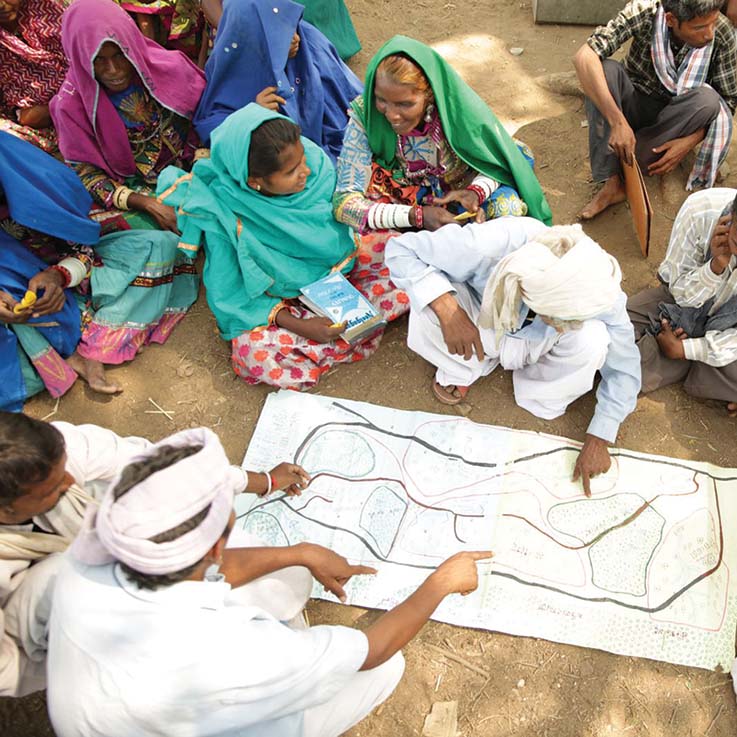
Collaborative funding models must reach beyond initial funding to build long-term strategies for sustainability, growth, and impact.

Conventional needs-based development policies can be harmful to informal businesses. Instead, development professionals must embrace an asset-based approach, identifying how existing collective solutions foster business resilience. | Open-access to this article made possible by the Concordia University Research Chair in Resilience and Institutions, John Molson School of Business, Concordia University.

The Icelandic startup Melta transforms community food waste into fertilizer, with the goal of cutting emissions and promoting sustainable farming in Iceland.

Working with governments to co-create programs and funding strategies can unlock resources far beyond what any single organization can do on its own.


Funders are calling for more program evaluation, but nonprofits are often collecting dubious data, at great cost to themselves and ultimately to the people they serve.

Large-scale social change requires broad cross-sector coordination, not the isolated intervention of individual organizations.

For NGOs, impact comes in different forms and to track the cycles of social change work, we must think across the tangibility and the speed of emergence of change.

With an understanding of these 10 funding models, nonprofit leaders can use the for-profit world's valuable practice of engaging in succinct and clear conversations about long-term financial strategy.

Social entrepreneurship is attracting growing amounts of talent, money, and attention, but along with its increasing popularity has come less certainty about what exactly a social entrepreneur is and does.