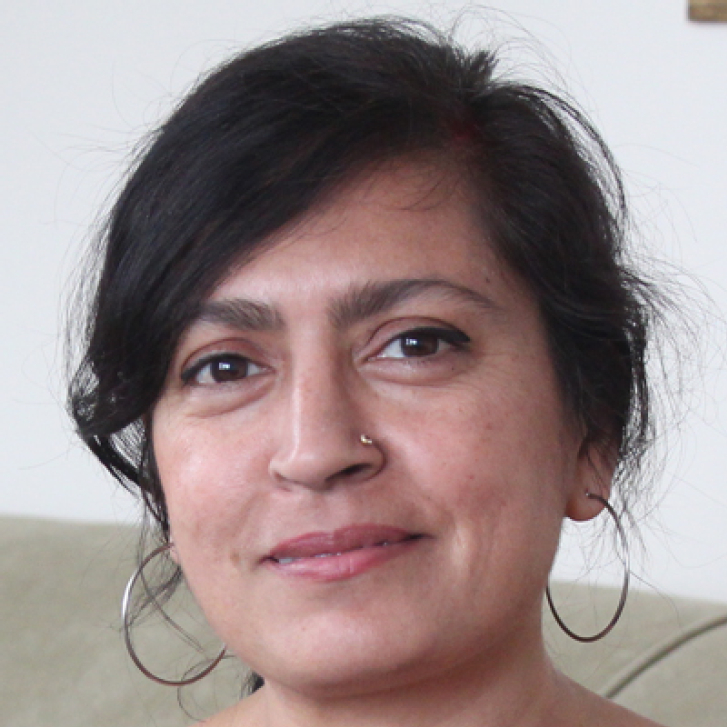
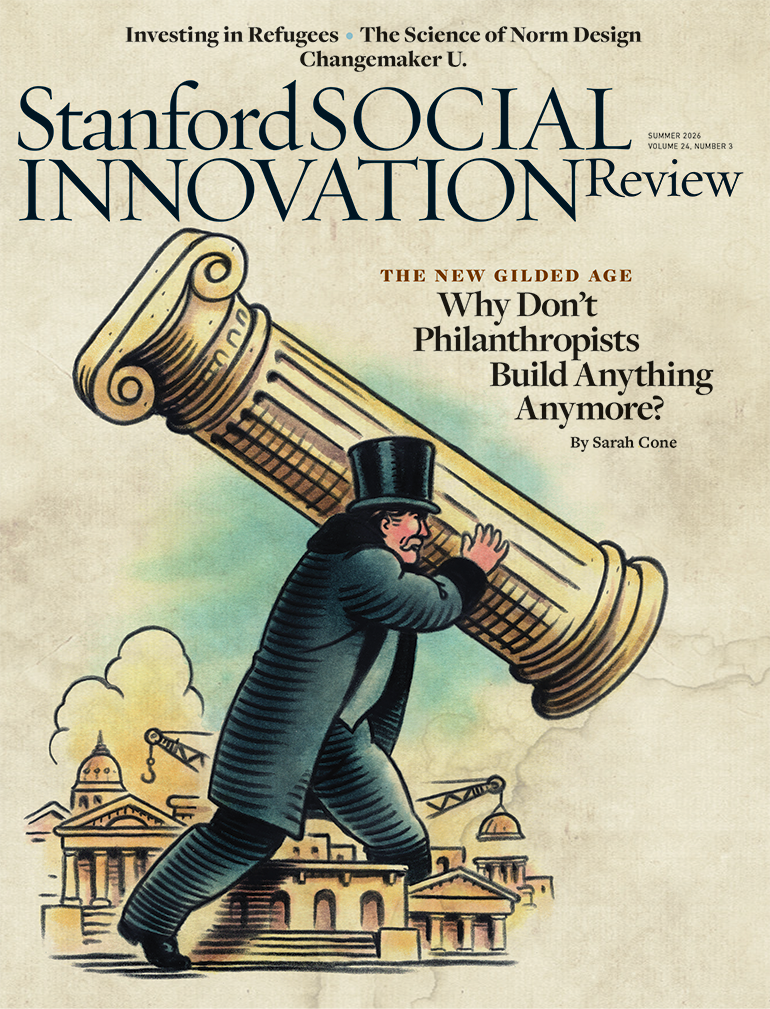

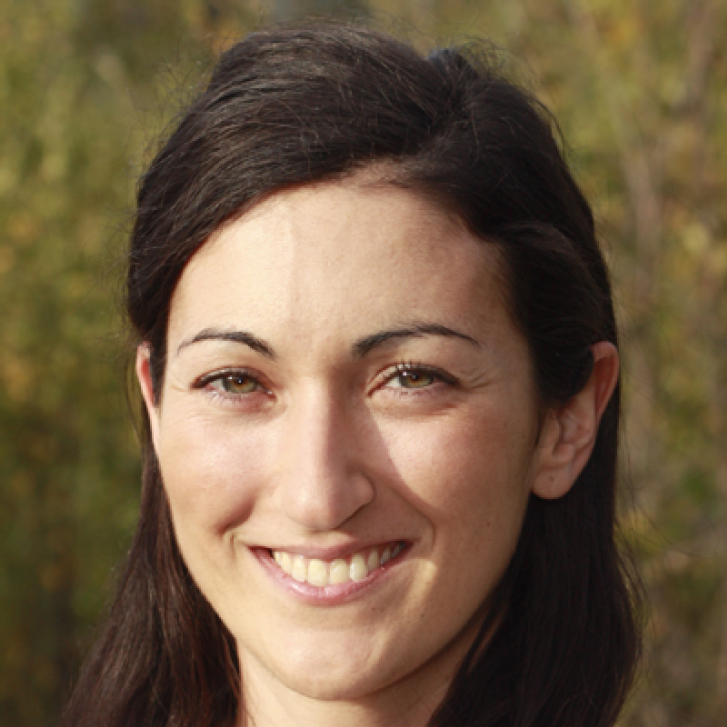
Investing in Global Refugee and Migrant Integration
George Soros’s $500 million investment announcement following the first-ever UN summit on migrants and refugees sets an example for how all investors could engage in “migrant lens investing."
George Soros’s $500 million investment announcement following the first-ever UN summit on migrants and refugees sets an example for how all investors could engage in “migrant lens investing."
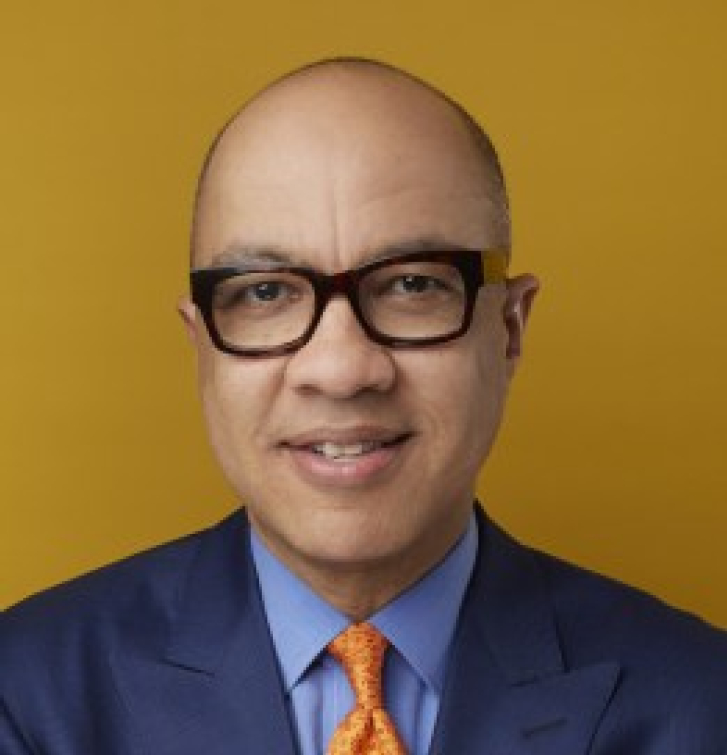
Ford Foundation president Darren Walker talks with SSIR senior editor Michael Slind about what organizations like his can do to address inequality.
A model of social entrepreneurship focused on market-based solutions and profit is threatening to crowd out more collaborative approaches.

A clear definition of equity would seem paramount to galvanizing philanthropy into action around this increasingly used term—but the field is only beginning to explore what it really means.

Why social sector organizations should make engaging for-profit companies a normal part of their problem-solving strategies—and four ways to do it effectively.


Funders are calling for more program evaluation, but nonprofits are often collecting dubious data, at great cost to themselves and ultimately to the people they serve.

Large-scale social change requires broad cross-sector coordination, not the isolated intervention of individual organizations.

For NGOs, impact comes in different forms and to track the cycles of social change work, we must think across the tangibility and the speed of emergence of change.

With an understanding of these 10 funding models, nonprofit leaders can use the for-profit world's valuable practice of engaging in succinct and clear conversations about long-term financial strategy.

Social entrepreneurship is attracting growing amounts of talent, money, and attention, but along with its increasing popularity has come less certainty about what exactly a social entrepreneur is and does.