

Chasing the Holy Grail of Outcomes
Philanthropists need to acknowledge the challenges nonprofits face in reporting succinct and compelling outcomes, and to avoid celebrating simplistic claims.
Philanthropists need to acknowledge the challenges nonprofits face in reporting succinct and compelling outcomes, and to avoid celebrating simplistic claims.

Viewing social and economic development as a series of interpersonal interactions can help us understand why development outcomes sometimes diverge from policy goals, and how gendered interactions shape social and economic development.
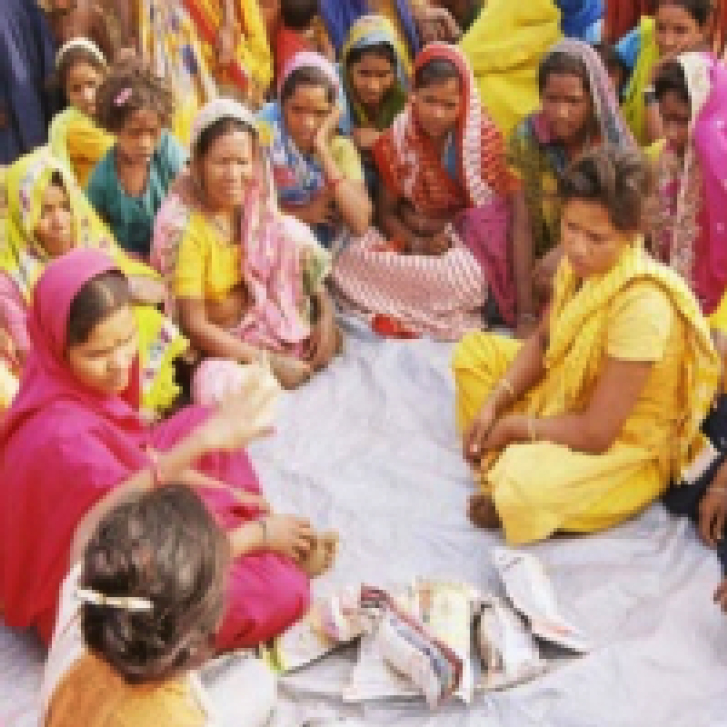
Social enterprises in India are using restorative and regenerative, circular economy principles to address the deep-seated sustainable development challenges.

Mapping the ecosystem for impact and investment

To accelerate the ethical use of sensitive data, governments and universities are setting up new systems to give secure access to their researchers. However, if they want to be able to evaluate the full range of social service programs, they also need to make this data is useful to nonprofits.


Funders are calling for more program evaluation, but nonprofits are often collecting dubious data, at great cost to themselves and ultimately to the people they serve.

Large-scale social change requires broad cross-sector coordination, not the isolated intervention of individual organizations.

For NGOs, impact comes in different forms and to track the cycles of social change work, we must think across the tangibility and the speed of emergence of change.

With an understanding of these 10 funding models, nonprofit leaders can use the for-profit world's valuable practice of engaging in succinct and clear conversations about long-term financial strategy.

Social entrepreneurship is attracting growing amounts of talent, money, and attention, but along with its increasing popularity has come less certainty about what exactly a social entrepreneur is and does.