

Why Collaborations Fail
What lies under the word, “uncollaborative”? Usually, it’s an unaddressed power imbalance.

What lies under the word, “uncollaborative”? Usually, it’s an unaddressed power imbalance.
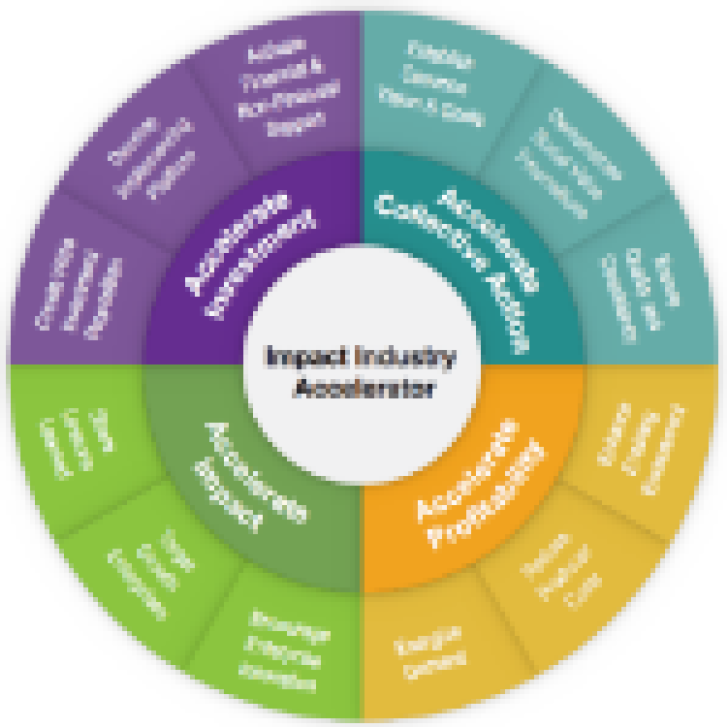
The experience of the Global Alliance for Clean Cookstoves in accelerating investment, collective action, profitability, and impact provides lessons for other impact industries attempting to do the same in base of the pyramid markets across the developing world.

Four ways nonprofits and social enterprises can use market-based solutions to help meet millennial demand for affordable housing.

To enact policies that reduce gun violence in the United States, advocates are flipping the script to make the conversation about saving lives rather than taking away Americans’ guns.

New developments from the disciplines of innovation, data science, and implementation management are teaching us that good strategy isn’t just about setting your destination and path, it’s also about how you execute and adjust over time.


Funders are calling for more program evaluation, but nonprofits are often collecting dubious data, at great cost to themselves and ultimately to the people they serve.

Large-scale social change requires broad cross-sector coordination, not the isolated intervention of individual organizations.

For NGOs, impact comes in different forms and to track the cycles of social change work, we must think across the tangibility and the speed of emergence of change.

With an understanding of these 10 funding models, nonprofit leaders can use the for-profit world's valuable practice of engaging in succinct and clear conversations about long-term financial strategy.

Social entrepreneurship is attracting growing amounts of talent, money, and attention, but along with its increasing popularity has come less certainty about what exactly a social entrepreneur is and does.