

The Power of Families: From Poverty to Agency to Unity
How philanthropy can support low-income families to build powerful networks and craft policy solutions that reduce poverty in the United States.
How philanthropy can support low-income families to build powerful networks and craft policy solutions that reduce poverty in the United States.

As more cross-sector collaborations gain traction, we must understand what it takes to keep them running over the long term and ensure that progress continues despite changes in leadership.
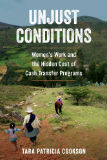
An excerpt from Unjust Conditions: Women’s Work and the Hidden Cost of Cash Transfer Programs.
To advance equity more effectively in collaboration with nonprofits and communities, grantmakers must share power with and leverage privilege for nonprofits and communities.
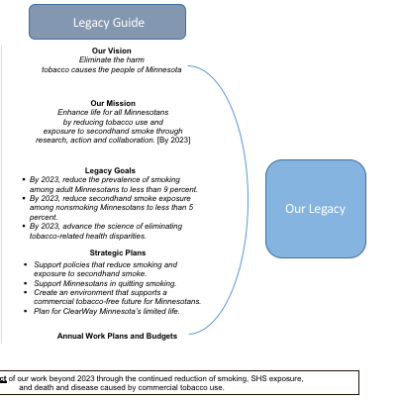
How limited-life organizations can re-position evaluation as a tool to drive progress toward their end goals and measure the enduring impact of their efforts.


Funders are calling for more program evaluation, but nonprofits are often collecting dubious data, at great cost to themselves and ultimately to the people they serve.

Large-scale social change requires broad cross-sector coordination, not the isolated intervention of individual organizations.
For NGOs, impact comes in different forms and to track the cycles of social change work, we must think across the tangibility and the speed of emergence of change.

With an understanding of these 10 funding models, nonprofit leaders can use the for-profit world's valuable practice of engaging in succinct and clear conversations about long-term financial strategy.

Social entrepreneurship is attracting growing amounts of talent, money, and attention, but along with its increasing popularity has come less certainty about what exactly a social entrepreneur is and does.