


When Social Change Requires Behavioral Change
Leaders behind two social impact efforts in India discovered that before they could improve lives, they first had to shift mindsets.
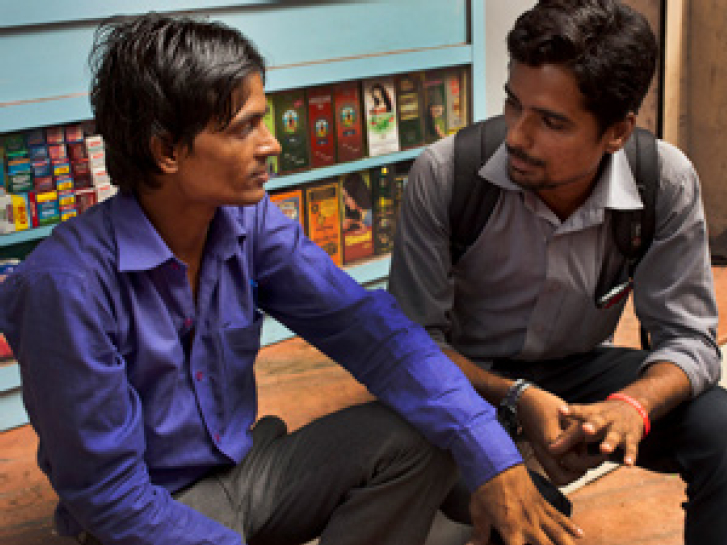
Leaders behind two social impact efforts in India discovered that before they could improve lives, they first had to shift mindsets.

Funders need to push past politeness and hammer out expectations for how their collective action will create value—for beneficiaries, grantees, and themselves—beyond what they could do alone.

DEI efforts should develop and maximize the potential impact of this important but often overlooked position. This is the ninth of 10 articles in a special series about diversity, equity, and inclusion.

Small farmers and food businesses are essential to building a resilient food system, but they need flexible, patient capital to thrive.
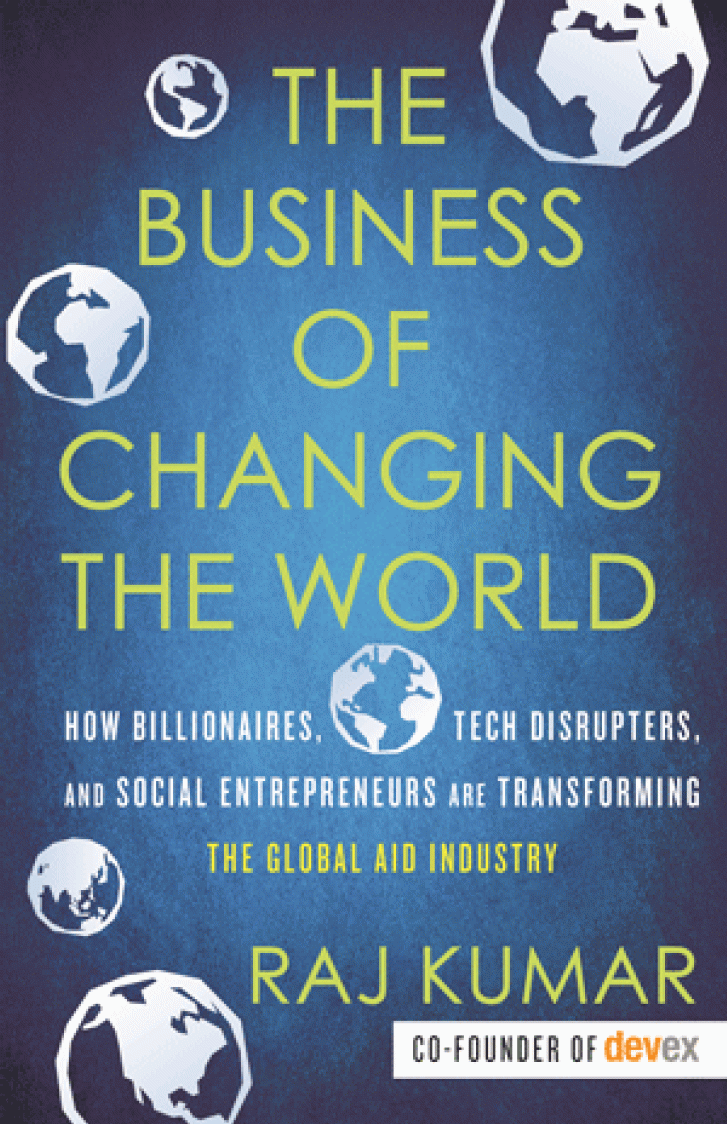
An excerpt from The Business of Changing the World: How Billionaires, Tech Disrupters, and Social Entrepreneurs are Transforming the Global Aid Industry argues the case for openness.


Funders are calling for more program evaluation, but nonprofits are often collecting dubious data, at great cost to themselves and ultimately to the people they serve.

Large-scale social change requires broad cross-sector coordination, not the isolated intervention of individual organizations.

For NGOs, impact comes in different forms and to track the cycles of social change work, we must think across the tangibility and the speed of emergence of change.

With an understanding of these 10 funding models, nonprofit leaders can use the for-profit world's valuable practice of engaging in succinct and clear conversations about long-term financial strategy.

Social entrepreneurship is attracting growing amounts of talent, money, and attention, but along with its increasing popularity has come less certainty about what exactly a social entrepreneur is and does.