


How Failure Changed How I Think About Nonprofit Work
Innovation is hard in the for-profit context; it’s even harder for a nonprofit.

Innovation is hard in the for-profit context; it’s even harder for a nonprofit.
Cooperation between the public and private sectors in Taiwan and South Korea are enabling a prompt response to the challenge of distributing important health products during the COVID-19 crisis.

An outpouring of aid from nonprofits, foundations, and businesses in the nation first to face the epidemic provide some lessons and caveats for other regions now dealing with similar challenges.

Nonprofit leaders discuss the strategies and systems they’ve used to foster deeper and more meaningful connections with their constituents. Part of the Technology for Change series produced by Stanford Social Innovation Review with the support of Salesforce.
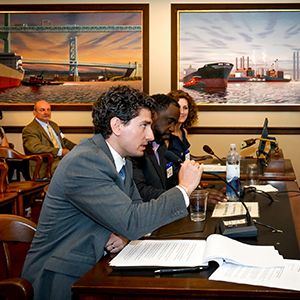
How foundations, journalists, and community organizers in New Jersey passed the nation’s first civic information bill.


Funders are calling for more program evaluation, but nonprofits are often collecting dubious data, at great cost to themselves and ultimately to the people they serve.

Large-scale social change requires broad cross-sector coordination, not the isolated intervention of individual organizations.

For NGOs, impact comes in different forms and to track the cycles of social change work, we must think across the tangibility and the speed of emergence of change.

With an understanding of these 10 funding models, nonprofit leaders can use the for-profit world's valuable practice of engaging in succinct and clear conversations about long-term financial strategy.

Social entrepreneurship is attracting growing amounts of talent, money, and attention, but along with its increasing popularity has come less certainty about what exactly a social entrepreneur is and does.