


Small Is Big
An excerpt from The New Builders on balancing scale with innovation and the vital role played by small businesses.
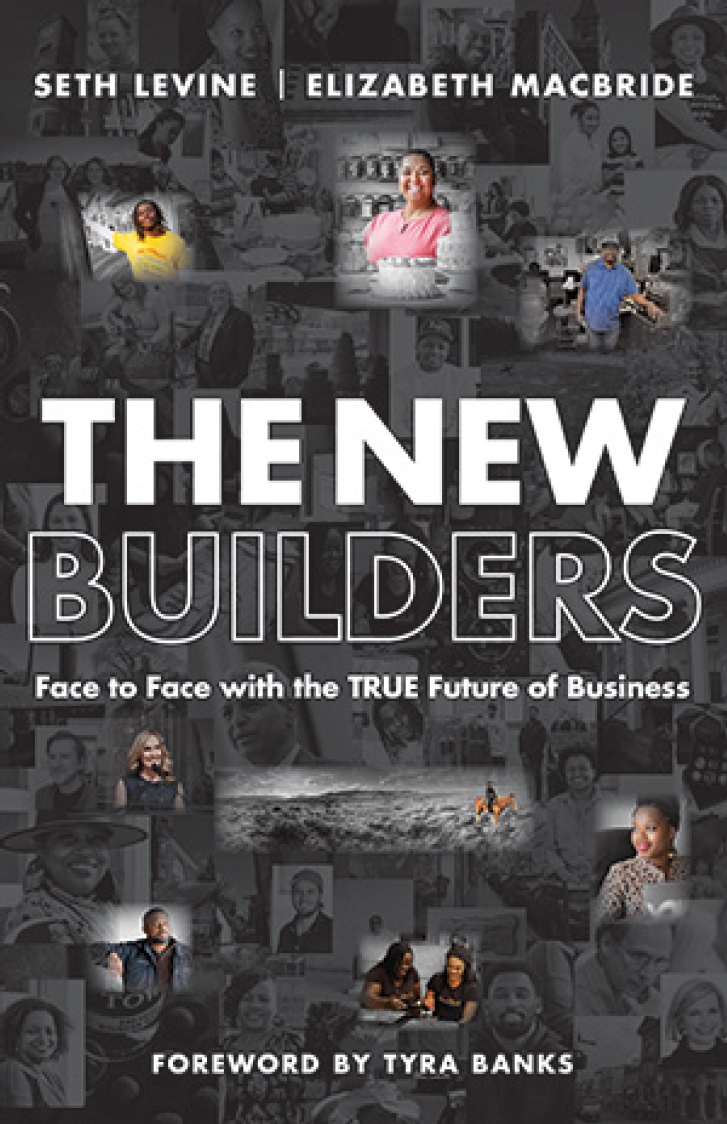
An excerpt from The New Builders on balancing scale with innovation and the vital role played by small businesses.

To invest in and grow promising organizations and programs in a way that promotes efficacy prior to significant scaling and expansion, there are three pathways to follow: piloting, testing, and iterating.

A new approach to tackling social problems orchestrates the participation of multiple stakeholders in the process from generating ideas to scaling solutions.

Scale is a verb, not a noun: The trajectory and curve of impact are more important than the numbers.

New public awareness of how the traditional financial system fails small businesses creates an opportunity to build models that connect entrepreneurs with the capital they need to recover, grow, and thrive—and that drive a more equitable and inclusive economy.


Since 1970, more than 200,000 nonprofits have opened in the U.S., but only 144 have reached $50 million in annual revenue. They got big by doing two things: They raised the bulk of their money from a single type of funder. And just as importantly, these nonprofits created professional organizations that were tailored to the needs of their primary funding sources.

A decade of applying the collective impact approach to address social problems has taught us that equity is central to the work.

How do innovations move from the edges to the core of what an organization does? For maximum impact, innovations must cease to be innovative and become institutionalized and normalized.

Impact evaluations are an important tool for learning about effective solutions to social problems, but they are a good investment only in the right circumstances.

Scaling requires not only fidelity to core processes and programs, but also constant adjustments to local needs and resources.