
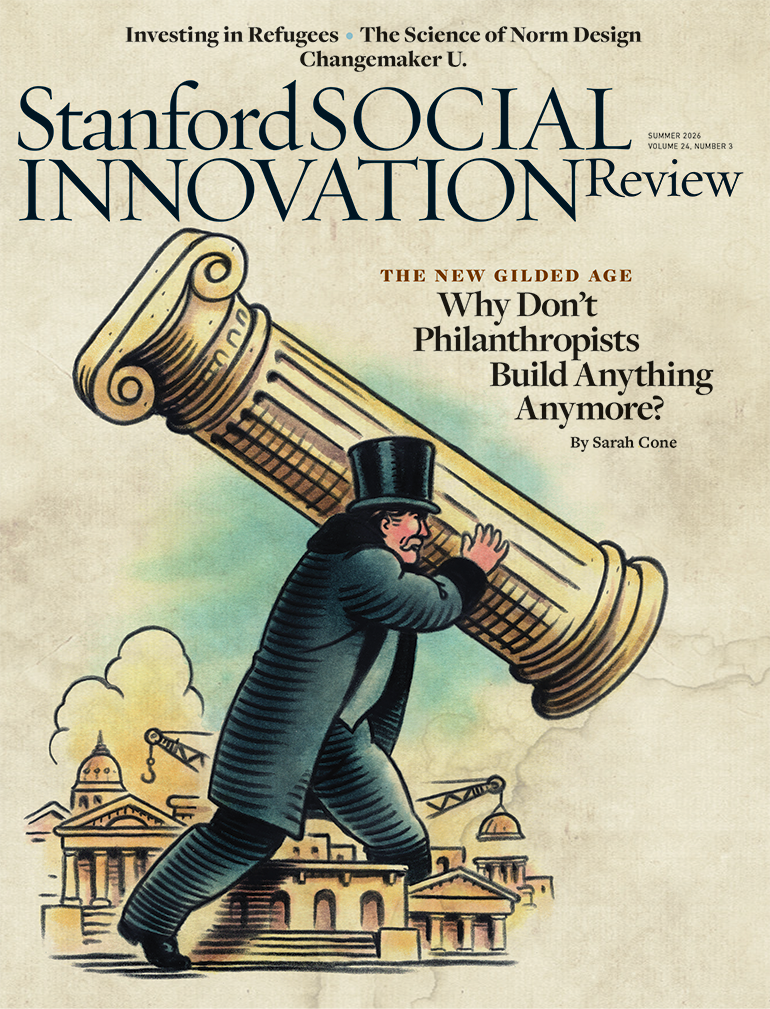

On the Brink—Providers Under Pressure
The collapse of New York’s largest nonprofit human services agency is an urgent reminder of the need for funding reform.
The collapse of New York’s largest nonprofit human services agency is an urgent reminder of the need for funding reform.
One way to make risk-taking more palatable for social change organizations is to run small, light, nimble experiments––tests not built to win wars, but rather to quickly infiltrate new territory, attack new problems, and inform future tactics.

Girl Scouts of the USA has overhauled everything from its federated structure to its information technology systems to the way that Girl Scouts sell their fabled cookies.

A new program gives nonprofits the resources to listen more closely to the people they serve.

Nonprofits and their funders need to plan for—and budget for—unforeseen events that can disrupt worthy projects.


Funders are calling for more program evaluation, but nonprofits are often collecting dubious data, at great cost to themselves and ultimately to the people they serve.

Large-scale social change requires broad cross-sector coordination, not the isolated intervention of individual organizations.
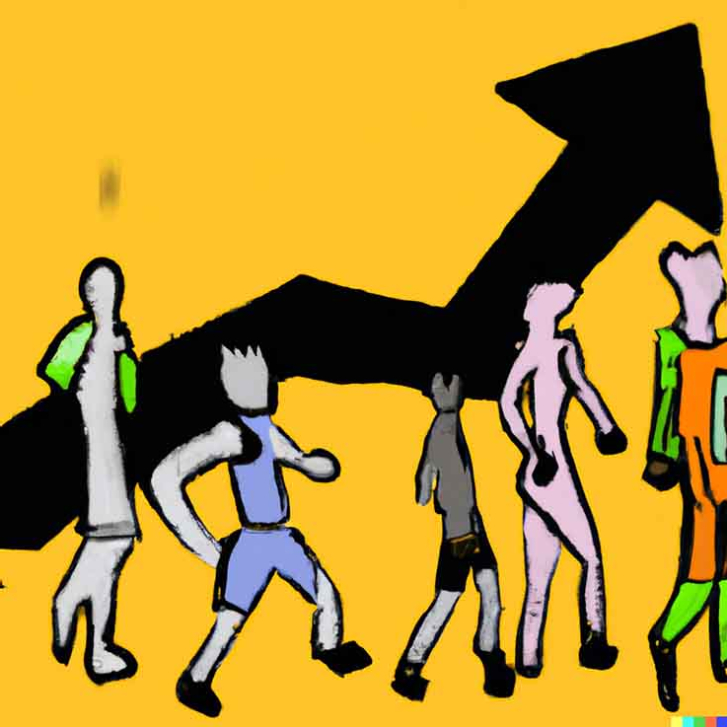
For NGOs, impact comes in different forms and to track the cycles of social change work, we must think across the tangibility and the speed of emergence of change.
With an understanding of these 10 funding models, nonprofit leaders can use the for-profit world's valuable practice of engaging in succinct and clear conversations about long-term financial strategy.

Fair Trade-certified coffee is growing in sales, but strict certification requirements are resulting in uneven economic advantages for coffee growers and lower quality coffee for consumers.