


After the Pandemic: Addressing the Permanent Crisis With Pay for Success Programs
Governments have an opportunity to partner with impact investors and philanthropists to turn emergency spending into long-term impact.

Governments have an opportunity to partner with impact investors and philanthropists to turn emergency spending into long-term impact.

Nonprofit leaders discuss how they fostered a data-driven culture within their organizations and used change-management strategies to navigate difficult transformations.
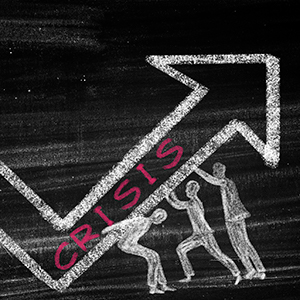
A list of SSIR articles to help social change leaders address operational and financial problems due to the COVID-19 crisis and other situations like it.

To have impact in the social sector, we need less jargon and more plain words so that we can reach shared understandings and act decisively together.

Nonprofit leaders should think less about the technology and more about the people who will use it and the goals they hope to achieve. Part of a series produced with the support of Salesforce.


Funders are calling for more program evaluation, but nonprofits are often collecting dubious data, at great cost to themselves and ultimately to the people they serve.

Large-scale social change requires broad cross-sector coordination, not the isolated intervention of individual organizations.

For NGOs, impact comes in different forms and to track the cycles of social change work, we must think across the tangibility and the speed of emergence of change.

With an understanding of these 10 funding models, nonprofit leaders can use the for-profit world's valuable practice of engaging in succinct and clear conversations about long-term financial strategy.

Fair Trade-certified coffee is growing in sales, but strict certification requirements are resulting in uneven economic advantages for coffee growers and lower quality coffee for consumers.