


sponsored
The Gyms on the Corners
Recognition, distortion, and the organizing infrastructure behind Minnesota's response to Operation Metro Surge.
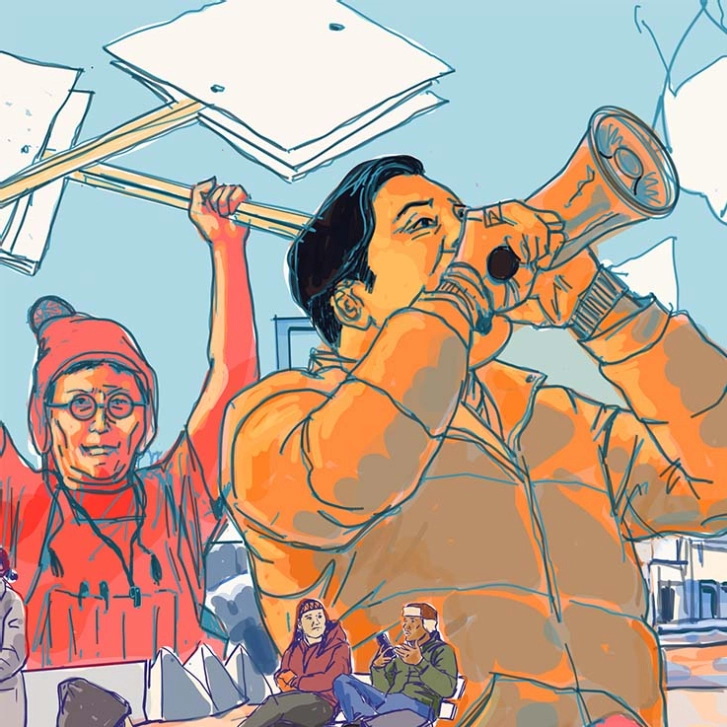
Recognition, distortion, and the organizing infrastructure behind Minnesota's response to Operation Metro Surge.
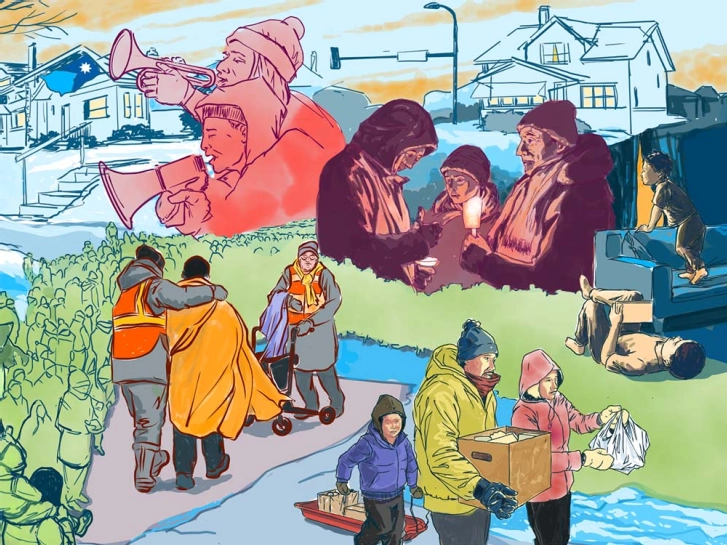
This article series, produced in partnership with and sponsored by the McKnight Foundation, brings together foundation leaders, community partners, and a mutual aid organizer to reflect on what happened during Operation Metro Surge in Minneapolis.
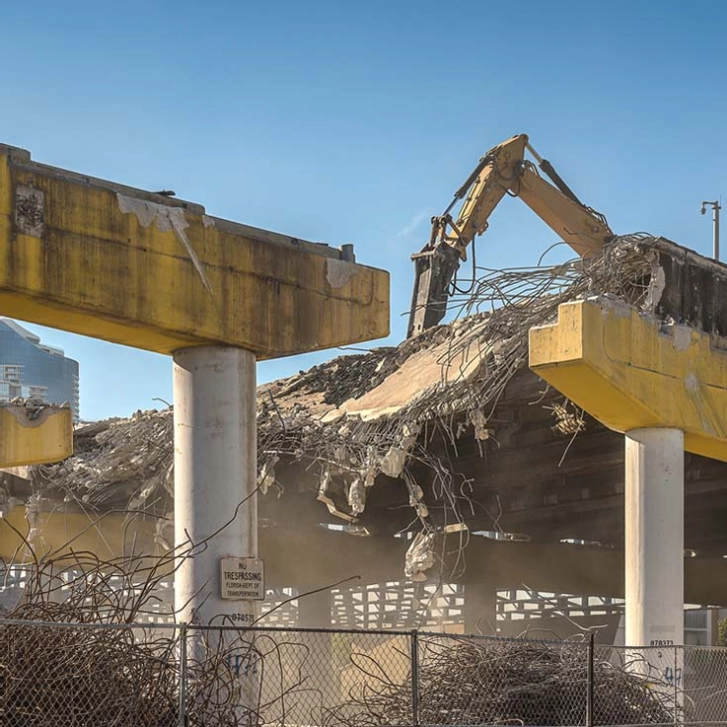
To decarbonize infrastructure, we need to look beyond technological fixes and learn to build coalitions.

How financial models that support long-term resilience and sustainability are helping local bookstores across the United States strengthen their role as Main Street anchors. | This article is free to all readers thanks to sponsorship by an SSIR supporter.

Many social impact leaders feel pressure to engage with AI but are overwhelmed and lack a clear starting point. Four fundamental questions can help frame early conversations, grounding AI strategy in purpose, organizational capacity, and values.


Funders are calling for more program evaluation, but nonprofits are often collecting dubious data, at great cost to themselves and ultimately to the people they serve.

Large-scale social change requires broad cross-sector coordination, not the isolated intervention of individual organizations.

For NGOs, impact comes in different forms and to track the cycles of social change work, we must think across the tangibility and the speed of emergence of change.

With an understanding of these 10 funding models, nonprofit leaders can use the for-profit world's valuable practice of engaging in succinct and clear conversations about long-term financial strategy.

Fair Trade-certified coffee is growing in sales, but strict certification requirements are resulting in uneven economic advantages for coffee growers and lower quality coffee for consumers.