


How Higher Education Can Support Local Ecosystems of Innovation
Supporting innovation should not be a top-down approach premised on straitjacketing program designs.

Supporting innovation should not be a top-down approach premised on straitjacketing program designs.

When half of the staff at Leading Edge reported feeling a lack of psychological safety at work, the problem wasn’t bullying but the promotion of a workplace culture that only allowed positivity.
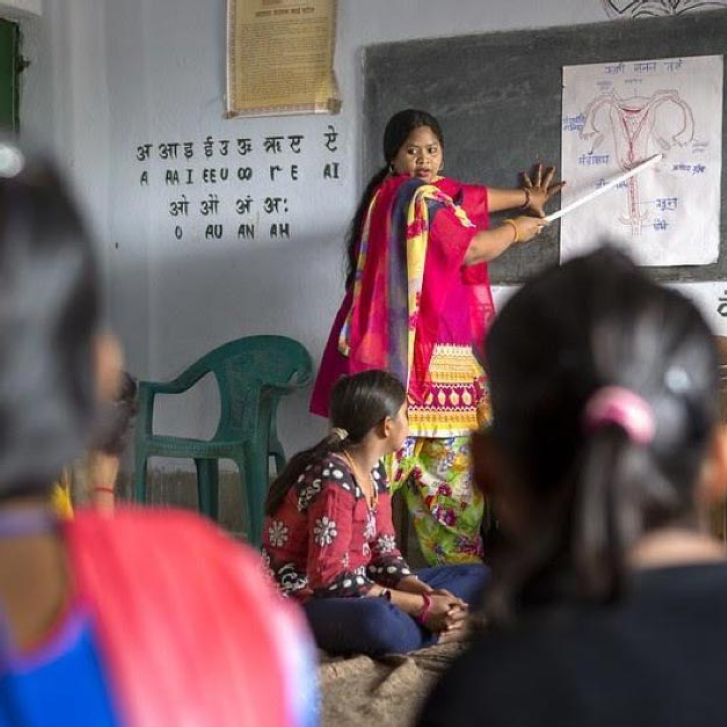
Because it cuts across distinct sectors, menstrual health and hygiene (MHH) is a much more complex and difficult public health issue than many realize.

Three unique challenges facing successors who take over from ambitious founder-predecessors, and how to navigate them during the already difficult period of transition.

A seamless CEO handoff requires that founders of social impact organizations balance their public image with their organization’s brand, while providing space for their teams to shine early on.


Funders are calling for more program evaluation, but nonprofits are often collecting dubious data, at great cost to themselves and ultimately to the people they serve.

Large-scale social change requires broad cross-sector coordination, not the isolated intervention of individual organizations.

For NGOs, impact comes in different forms and to track the cycles of social change work, we must think across the tangibility and the speed of emergence of change.

With an understanding of these 10 funding models, nonprofit leaders can use the for-profit world's valuable practice of engaging in succinct and clear conversations about long-term financial strategy.

Fair Trade-certified coffee is growing in sales, but strict certification requirements are resulting in uneven economic advantages for coffee growers and lower quality coffee for consumers.