

Household Generosity During the Pandemic
Social and behavioral sciences can help us understand why COVID-19 is making giving practices more localized and expansive.

Social and behavioral sciences can help us understand why COVID-19 is making giving practices more localized and expansive.
After pro-Trump supporters stormed the US Capitol, how will the United States address many of the issues that underlie the chaos, particularly extreme polarization? This roundup of articles explores ways to take on the unprecedented divides in America.

There is no one right answer to the question whether to pay out more during a financial crisis, which depends on balancing the needs of present and future beneficiaries and so varies depending on a funders’ goals and objectives. This is the keystone article for the Up for Debate series on foundations' payouts during big crises. Visit the series page for responses to this essay.
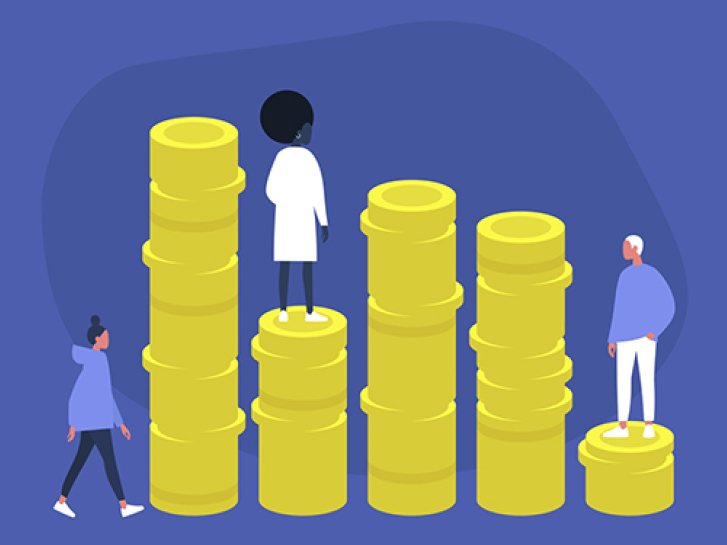
The onset of COVID-19 has amplified discussions about philanthropic spending during an economic downturn, with some observers saying that a big crisis like the pandemic should compel funders to not just maintain their outlays, but to disburse more. Should they?

Highlights of this year’s book reviews and excerpts on topics including nonprofit management, the future of capitalism, technology trends in social movements, and the rich history of Black philanthropy.


Funders are calling for more program evaluation, but nonprofits are often collecting dubious data, at great cost to themselves and ultimately to the people they serve.

Large-scale social change requires broad cross-sector coordination, not the isolated intervention of individual organizations.

For NGOs, impact comes in different forms and to track the cycles of social change work, we must think across the tangibility and the speed of emergence of change.

With an understanding of these 10 funding models, nonprofit leaders can use the for-profit world's valuable practice of engaging in succinct and clear conversations about long-term financial strategy.
Fair Trade-certified coffee is growing in sales, but strict certification requirements are resulting in uneven economic advantages for coffee growers and lower quality coffee for consumers.