


Bringing Organizational Cultures Together for Social Impact
Bringing different organizations’ cultures together and building an effective inter-organizational culture can be done, but only if participants are savvy and intentional about culture.

Bringing different organizations’ cultures together and building an effective inter-organizational culture can be done, but only if participants are savvy and intentional about culture.

Why building a trusted information ecosystem requires building a community.

Funder-owned strategies often reinforce donor-grantee power imbalances and focus on short-term measurable gains, thereby limiting philanthropic impact. Global and systemic challenges can be addressed more effectively with strategies that are collectively owned. | Open-access to this article made possible by Dalberg Catalyst.

From system orchestration to partnership, to evaluation and learning, this series highlights successful approaches to collective action and examples of social transformation.
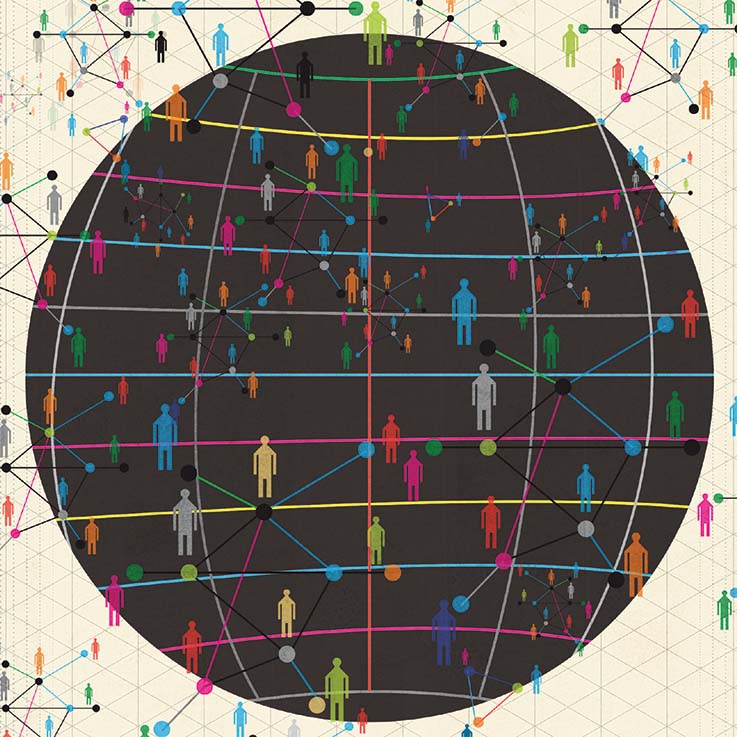
In a world of increasing complexity and polarization, system orchestrators drive collective action to achieve outsized impact.


Funders are calling for more program evaluation, but nonprofits are often collecting dubious data, at great cost to themselves and ultimately to the people they serve.

Large-scale social change requires broad cross-sector coordination, not the isolated intervention of individual organizations.

For NGOs, impact comes in different forms and to track the cycles of social change work, we must think across the tangibility and the speed of emergence of change.

With an understanding of these 10 funding models, nonprofit leaders can use the for-profit world's valuable practice of engaging in succinct and clear conversations about long-term financial strategy.

Fair Trade-certified coffee is growing in sales, but strict certification requirements are resulting in uneven economic advantages for coffee growers and lower quality coffee for consumers.