

sponsored
Defining Quality Collective Impact
To sustain collective impact, we must bring more rigor to the practice by drawing on lessons from a diverse array of communities to define what truly makes this work unique.

To sustain collective impact, we must bring more rigor to the practice by drawing on lessons from a diverse array of communities to define what truly makes this work unique.

It’s time to put an end to the “flat world” thinking that guides the work of all too many social change organizations.

Research on the needs and habits of the poor shows that nonprofits can serve a vital function in expanding access to financial services.

In China, a new kind of NGO has started to embed the values of civil society in its provision of social services.

Traditional aid organizations and newer, more volunteer-driven groups view their work in notably different ways.


Funders are calling for more program evaluation, but nonprofits are often collecting dubious data, at great cost to themselves and ultimately to the people they serve.

Large-scale social change requires broad cross-sector coordination, not the isolated intervention of individual organizations.
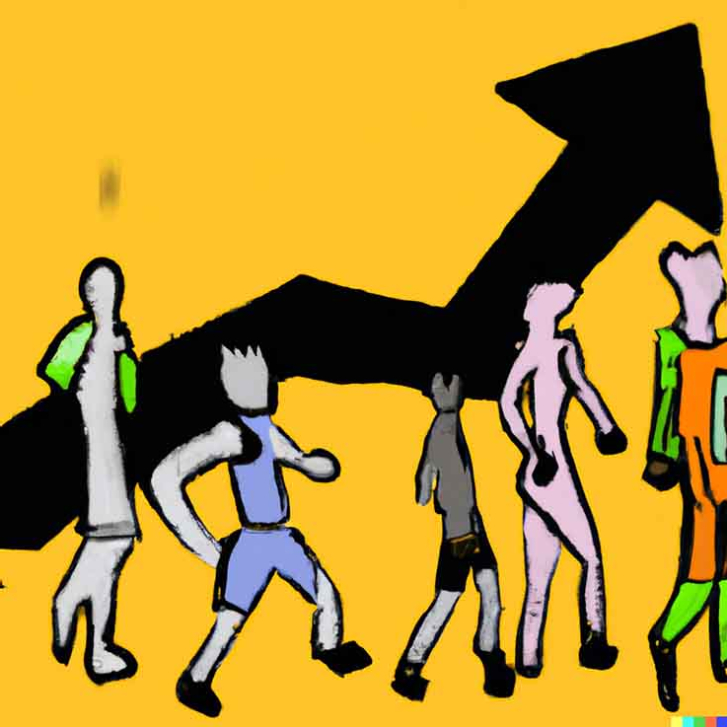
For NGOs, impact comes in different forms and to track the cycles of social change work, we must think across the tangibility and the speed of emergence of change.

With an understanding of these 10 funding models, nonprofit leaders can use the for-profit world's valuable practice of engaging in succinct and clear conversations about long-term financial strategy.

Fair Trade-certified coffee is growing in sales, but strict certification requirements are resulting in uneven economic advantages for coffee growers and lower quality coffee for consumers.