

Getting Human Rights Right
Corporations that violate human rights not only inflict suffering, but also hurt their bottom line. The authors suggest five principles that corporations can follow to improve their human rights footprint.

Corporations that violate human rights not only inflict suffering, but also hurt their bottom line. The authors suggest five principles that corporations can follow to improve their human rights footprint.

Fazle Abed explains in this audio lecture how the Bangladesh Rural Advancement Committee (BRAC) is leading grassroots efforts to achieve the eight U.N. Millennium Development Goals in Bangladesh. He describes a multipronged strategy aimed at education, gender equality, health, environmental, economic, and political progress.

Social Accountability International President Alice Tepper Marlin has been leading the push to create a credible, comprehensive, and efficient verification system for assuring humane workplaces around the world. In this audio lecture, she describes the strategies the Social Accountability International's SA-8000 standard has used to get global supply chain stakeholders operating on the same page when it comes to providing employees with safe, equitable, and financially beneficial working conditions.

One of the greatest human rights abuses is sex trafficking. Millions of women and girls each year are tricked, trapped, bought, sold, and forced into service in sex industries. In this audio lecture, Dechen Tsering explores the causes of trafficking and the techniques used by traffickers. She advocates a holistic approach to stop this grave violation against women and describes the work Global Fund for Women undertakes in Southeast Asia and around the world toward this end.


Professionalism has become coded language for white favoritism in workplace practices that more often than not leave behind people of color. This is the fourth of 10 articles in a special series about diversity, equity, and inclusion.

Laws and programs designed to benefit vulnerable groups, such as the disabled or people of color, often end up benefiting all of society.

A clear definition of equity would seem paramount to galvanizing philanthropy into action around this increasingly used term—but the field is only beginning to explore what it really means.
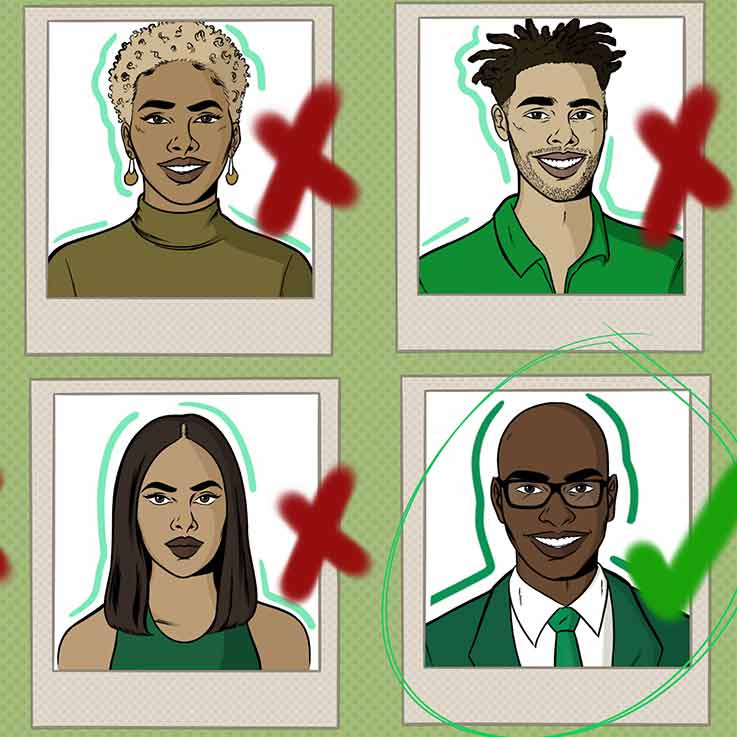
Stereotypes and racial bias in hiring and promotion are damaging at personal, career, and organizational levels.

Because decentralization doesn’t necessarily mean redistributing power, Web3 must make values integral to the architecture.