

The Risky Rhetoric of Female Risk Aversion
Women are seen as less likely to engage in risky behavior and more likely to use money prudently. But this stereotype can lead to discrimination against women.

Women are seen as less likely to engage in risky behavior and more likely to use money prudently. But this stereotype can lead to discrimination against women.

In a world increasingly focused on measurable impact, human rights inequities are difficult to frame and fight. Yet solving them is key to meeting other social challenges
The challenges of scaling up programs aimed at empowering adolescent girls in Bangladesh and Uganda.

In campaigns to promote human rights, messages that highlight the experience of specific victims tend to be most effective.
It’s a modern relationship in a modern world. It’s a marriage full of promise. But does our culture’s celebration of the male-dominated tech world end up overshadowing critical skills like empathy that are required for social change?


Professionalism has become coded language for white favoritism in workplace practices that more often than not leave behind people of color. This is the fourth of 10 articles in a special series about diversity, equity, and inclusion.

Laws and programs designed to benefit vulnerable groups, such as the disabled or people of color, often end up benefiting all of society.

A clear definition of equity would seem paramount to galvanizing philanthropy into action around this increasingly used term—but the field is only beginning to explore what it really means.
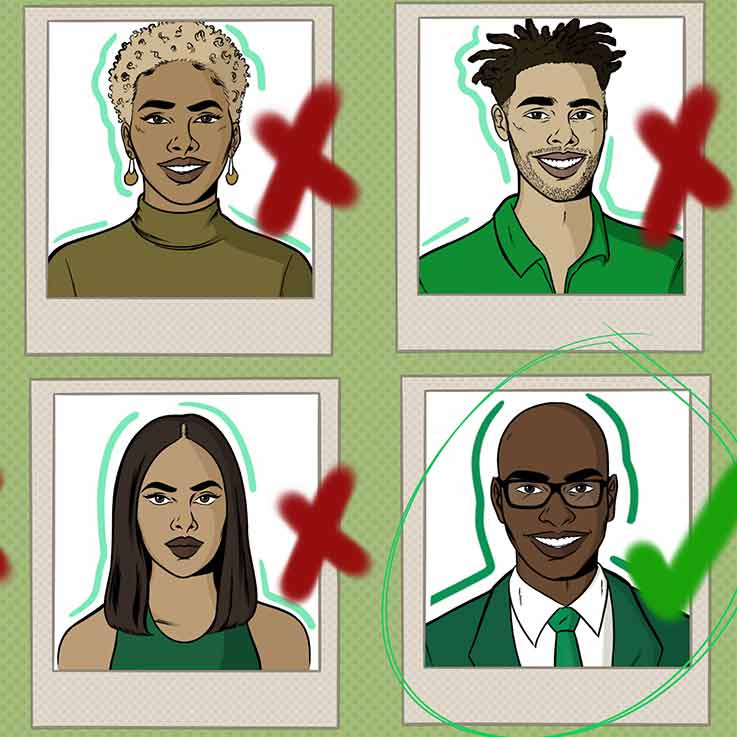
Stereotypes and racial bias in hiring and promotion are damaging at personal, career, and organizational levels.

Because decentralization doesn’t necessarily mean redistributing power, Web3 must make values integral to the architecture.