

Risks for the Future We Want
Philanthropists must learn from protesters and reimagine the formula for making change on racial justice.

Philanthropists must learn from protesters and reimagine the formula for making change on racial justice.
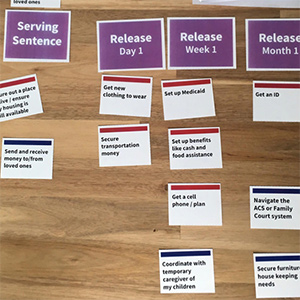
To improve public services like the justice system, social innovators need to co-design solutions with people who have experienced them and find ways to cut through the organizational barriers they faced.

COVID-19 and the horrific murders of George Floyd and other black Americans have amplified the desperate need for the US justice system to be radically reimagined.
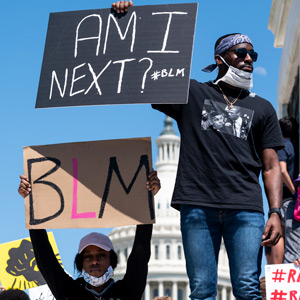
The killing of George Floyd by Minneapolis police officers has ignited protests and focused the national discourse on institutional racism and how to eradicate it. SSIR's editors have assembled a list of resources to help leaders of social change and activists trying to put an end to this intractable American scourge.

How the COVID-19 crisis is amplifying ageism, and how advocates can push back.


Professionalism has become coded language for white favoritism in workplace practices that more often than not leave behind people of color. This is the fourth of 10 articles in a special series about diversity, equity, and inclusion.

Laws and programs designed to benefit vulnerable groups, such as the disabled or people of color, often end up benefiting all of society.

A clear definition of equity would seem paramount to galvanizing philanthropy into action around this increasingly used term—but the field is only beginning to explore what it really means.

Stereotypes and racial bias in hiring and promotion are damaging at personal, career, and organizational levels.

Because decentralization doesn’t necessarily mean redistributing power, Web3 must make values integral to the architecture.