

sponsored
How Collaboratives in India Partner With Government to Support Systems Change
These four learnings showcase the strengths of collaboratives—and can help others increase the odds of successful government partnerships.

These four learnings showcase the strengths of collaboratives—and can help others increase the odds of successful government partnerships.
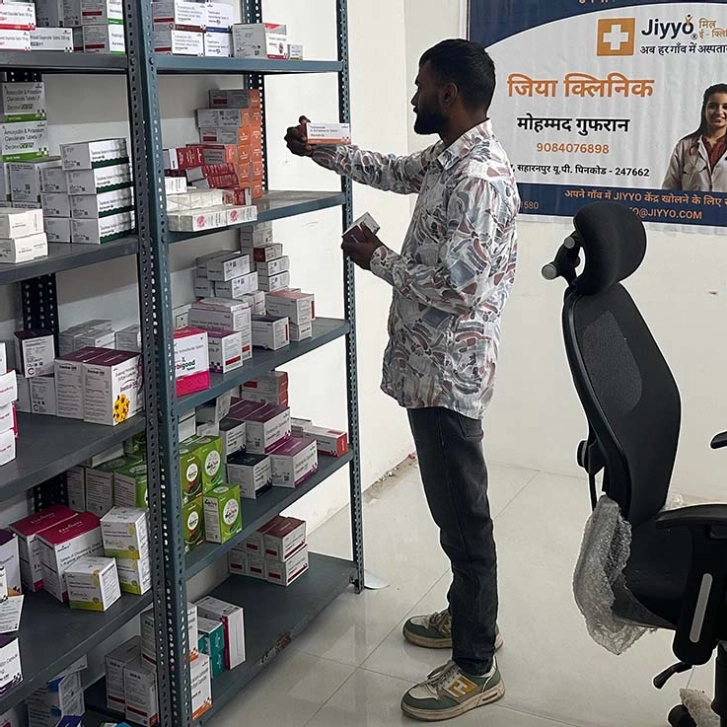
A partnership-based, digital health care platform in India is connecting medical specialists to patients who lack access to appropriate care.
What’s the impact of recent funding cuts to humanitarian aid? How are organizations reorganizing their critical work with vulnerable communities? Bob Kitchen of the International Rescue Committee and Harriet Carvalho of DAFGiving360 join SSIR editor Barbara Wheeler-Bride to discuss the Trump administration’s unprecedented cuts to foreign aid and how donors can respond. A sponsored podcast developed with the support of DAFgiving360
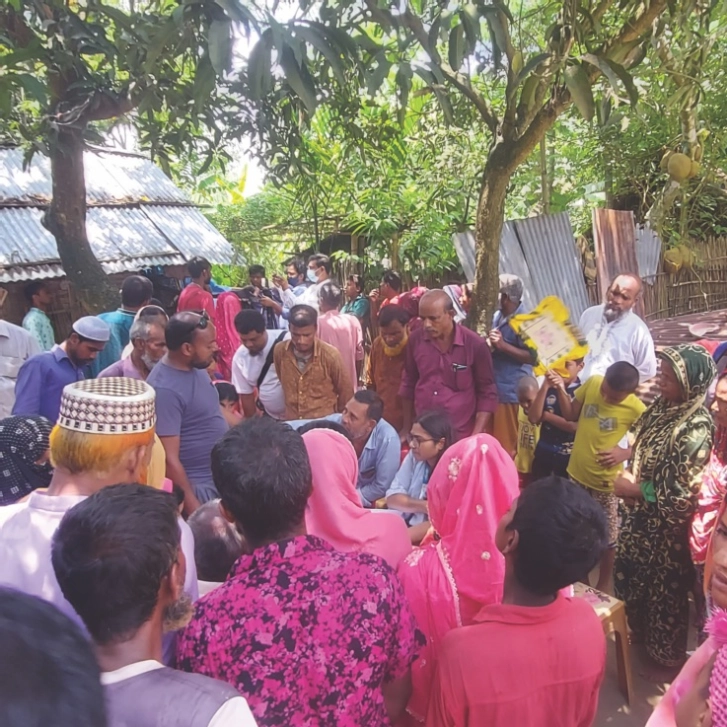
Shraddha Rehabilitation Foundation rescues wanderers from India’s streets, treating them for their mental illnesses and reuniting them with their families.
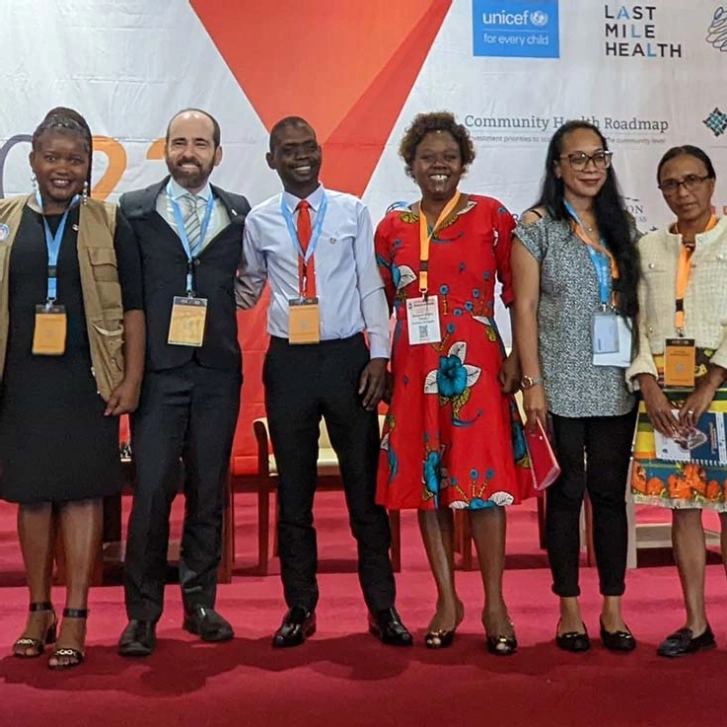
Health coalitions did the research, coordinated with donors, and secured strong government buy-in. Now, community health workers are finally getting the credit—and pay—they deserve.


Our understanding of community can help funders and evaluators identify, understand, and strengthen the communities they work with.
Two veterans of consumer psychology, marketing, and entrepreneurship provide a guide to using social media for social change.

Instead of pressuring already-stressed individuals to fix themselves, true wellness requires organization-level interventions.
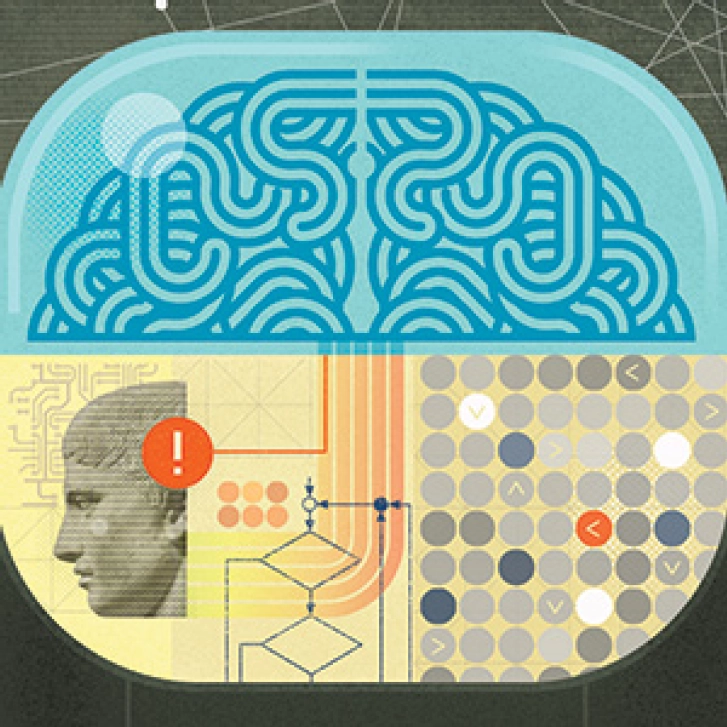
Using artificial intelligence to predict behavior can lead to devastating policy mistakes. Health and development programs must learn to apply causal models that better explain why people behave the way they do to help identify the most effective levers for change.

Two years ago I quit my nonprofit CEO job. I’ve just had the two most productive years of my career.