

Judging Success in Translational Medical Research
Getting promising drug discoveries out of university labs and into the drug pipeline is more difficult than it should be.

Getting promising drug discoveries out of university labs and into the drug pipeline is more difficult than it should be.
Connecting information, applications, data, and people—a report from the Stanford 2013 Healthcare Innovation Summit.
A two-part series on using systems mapping to predict a city’s capacity for adopting change.
Researchers explore the effects of virtual embodiment among people with Parkinson’s disease.

The views of those who benefit from social programs offer insight into a program’s effectiveness.


Our understanding of community can help funders and evaluators identify, understand, and strengthen the communities they work with.

Two veterans of consumer psychology, marketing, and entrepreneurship provide a guide to using social media for social change.

Instead of pressuring already-stressed individuals to fix themselves, true wellness requires organization-level interventions.
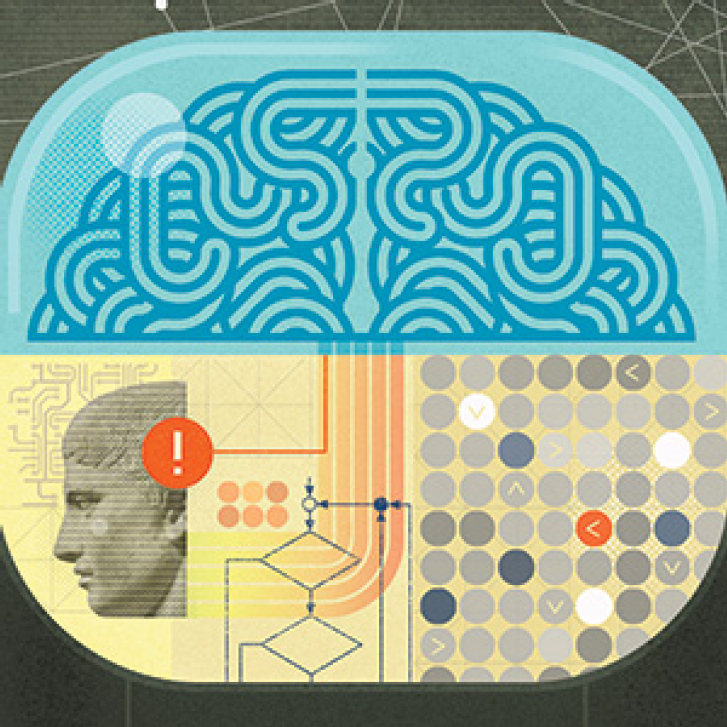
Using artificial intelligence to predict behavior can lead to devastating policy mistakes. Health and development programs must learn to apply causal models that better explain why people behave the way they do to help identify the most effective levers for change.

Two years ago I quit my nonprofit CEO job. I’ve just had the two most productive years of my career.