


Beyond ‘Toughing It Out’: Mental Health in the Social Change Workplace
Integrating mental health in social change workplaces allows us to cultivate new narratives and norms that will better sustain long-term engagement with social change.
Integrating mental health in social change workplaces allows us to cultivate new narratives and norms that will better sustain long-term engagement with social change.
The climate movement has lessons for all social impact practitioners working to create a more just and healthy world.

Borderless threats require international cooperation and coordination, as well as attention to the needs of global majority countries.

UPenn’s ambitious Eidos initiative marries business innovation with health research to tackle LGBTQ+ health inequities.
Mental health is an essential intervention to address violence and trauma at the individual, interpersonal, and systemic levels.


Our understanding of community can help funders and evaluators identify, understand, and strengthen the communities they work with.

Two veterans of consumer psychology, marketing, and entrepreneurship provide a guide to using social media for social change.

Instead of pressuring already-stressed individuals to fix themselves, true wellness requires organization-level interventions.
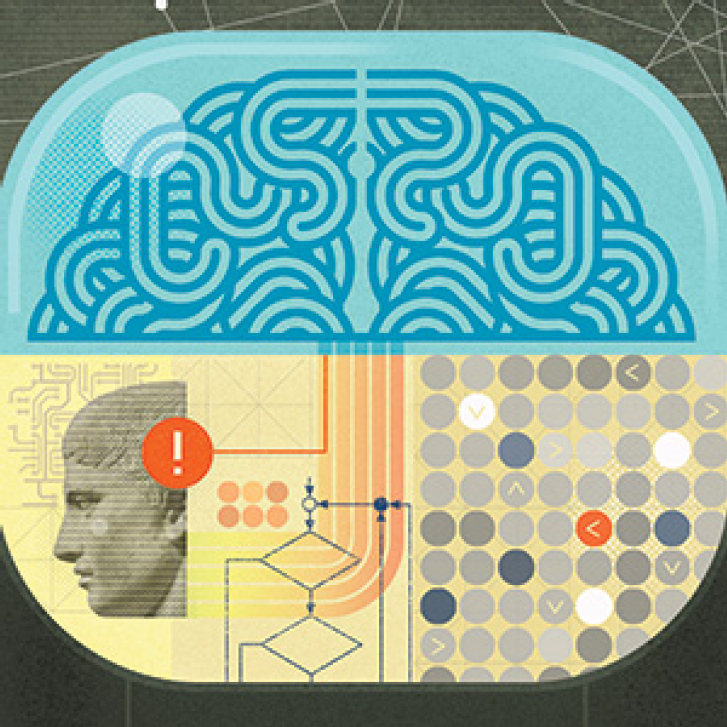
Using artificial intelligence to predict behavior can lead to devastating policy mistakes. Health and development programs must learn to apply causal models that better explain why people behave the way they do to help identify the most effective levers for change.

Two years ago I quit my nonprofit CEO job. I’ve just had the two most productive years of my career.