
Design Thinking for Evaluation and Learning
Three ways design thinking can maximize the relevance and impact of evaluation and organizational learning efforts.
Three ways design thinking can maximize the relevance and impact of evaluation and organizational learning efforts.
What tomorrow’s leaders can learn from artists.
A report from Lab2, and why learning to reflect on our assumptions about how change happens has value, whether or not “lab” is in your title.

An effort to improve sanitation in developing countries yields lessons in how to achieve enduring, broad-based social impact.

Older people and foster families are forming mutually supportive communities, with help from a group called Generations of Hope.

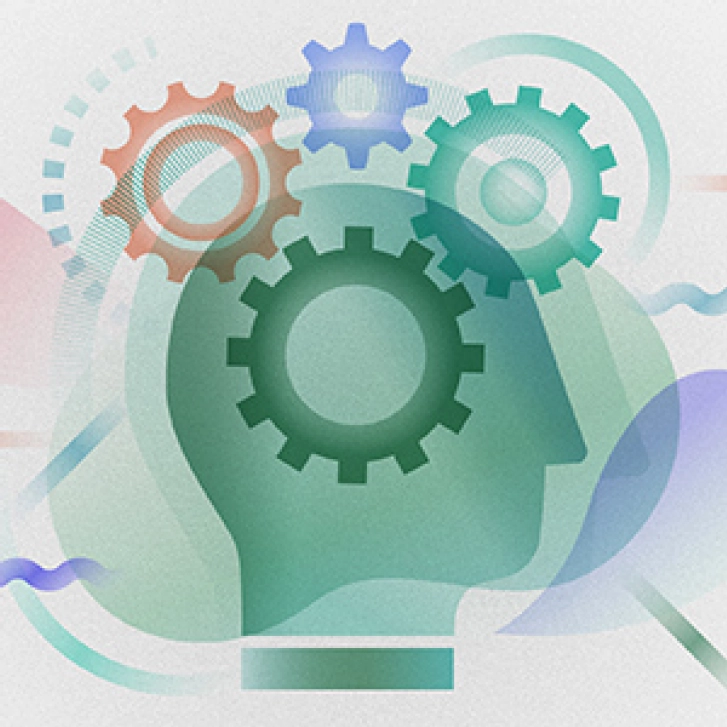
By working closely with the clients and consumers, design thinking allows high-impact solutions to social problems to bubble up from below rather than being imposed from the top.
Both human-centered and systems-thinking methods fit within an effective design approach, and can work in conjunction to address social challenges.
Design is a process especially suited to divergent thinking—the exploration of new choices and alternative solutions.

Principles and tactics for creating strategic convenings that foster meaningful interaction and outcomes.

An ethical framework can bridge the worlds of startup technology and international development to strengthen cross-sector innovation in the social sector.