


Energy
Renewable Energy Won’t Change the World
Changing the composition of the world’s energy supply is important, but it’s only half the battle against climate change.
Changing the composition of the world’s energy supply is important, but it’s only half the battle against climate change.

To make progress on ideologically or politically sticky issues, social sector organizations must reshape their messaging to do more than cite facts; they must use smart storytelling and craft solutions that don’t require those they want to reach to sacrifice their values.

Many small-scale (but scalable) creative efforts to foster tangible urban change, inspired by the burgeoning “tactical urbanism” movement, have met with success—and yet the movement itself faces limitations. How might this approach continue to evolve so as to effect inclusive, sustainable, and meaningful social and political change at the local level?
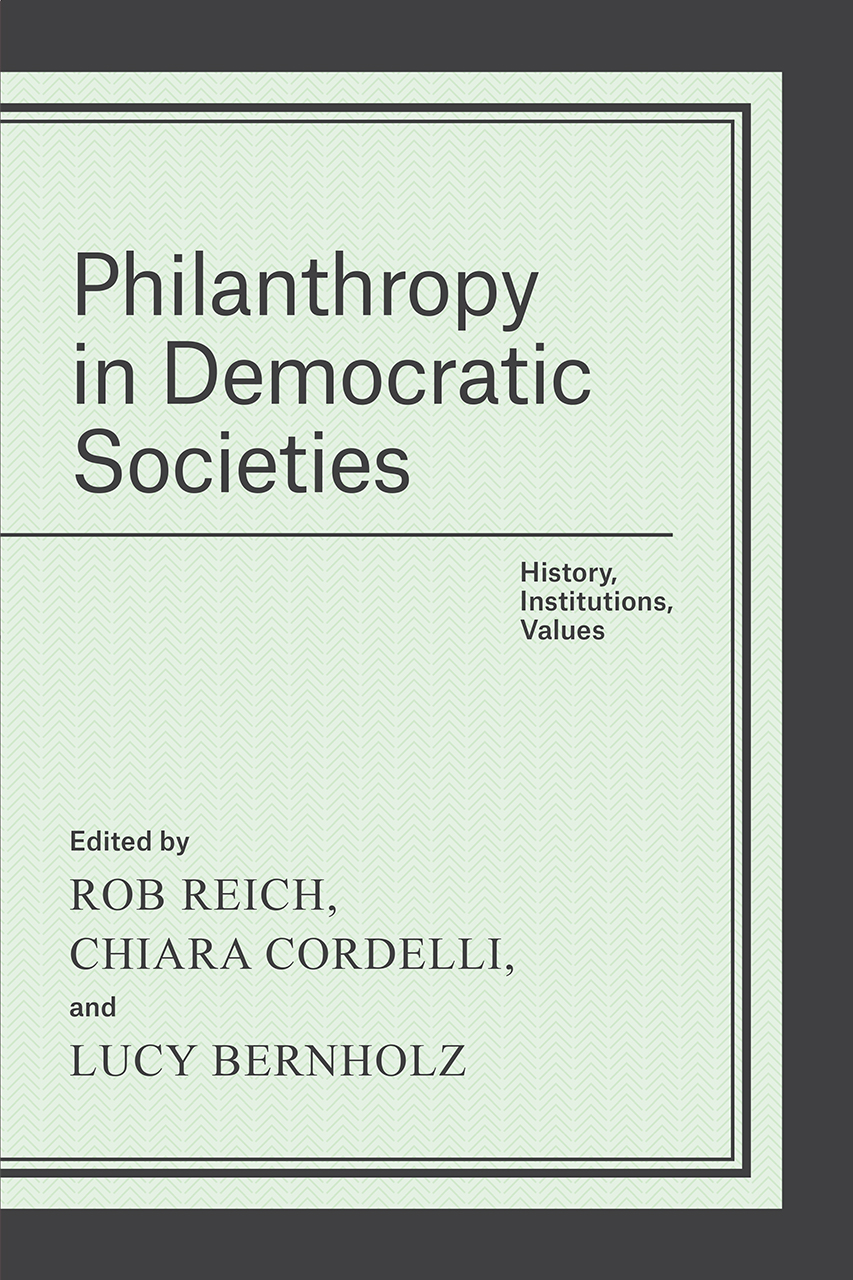
Modified from an excerpt of Philanthropy in Democratic Societies: History, Institutions, Values, edited by Rob Reich, Chiara Cordelli, and Lucy Bernholz.
How civil society organizations can come together in the defense of civic space.

How technology and data can form the basis for common-sense, bi-partisan policy reforms amid new uncertainties.
As funders, providers, and advocates pivot to face a dramatically different funding and political environment, some lessons from history may be instructive.

What we can learn from cultural innovators, and why it’s important.

Stanford's Lucy Bernholz, Paul Brest, Woody Powell, and Rob Reich, along with Leif Wenar of King's College London, discuss their new volume of essays.