


Environment
After the Big Climate Summits Are Over
In Paul Almeida's Climate Change and Civic Engagement, the only pathway forward is broad worker-based civic alliances that go beyond narrow elite-driven technological decarbonization.
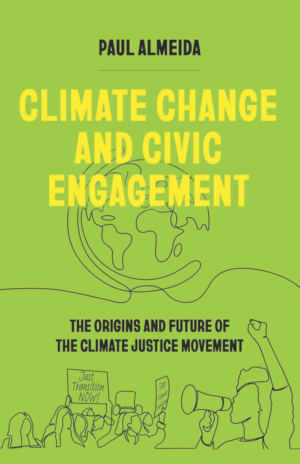
In Paul Almeida's Climate Change and Civic Engagement, the only pathway forward is broad worker-based civic alliances that go beyond narrow elite-driven technological decarbonization.
Ruta Azul, the sustainability and climate action plan of the Mexican university Tecnológico de Monterrey, has integrated sustainability into the school’s culture and educational model to build a community capable of addressing the climate crisis through coordinated action.

Green hydrogen partnerships in the Middle East and North Africa are sidelining the civil society organizations they claim to empower, repeating the sins of colonialism.
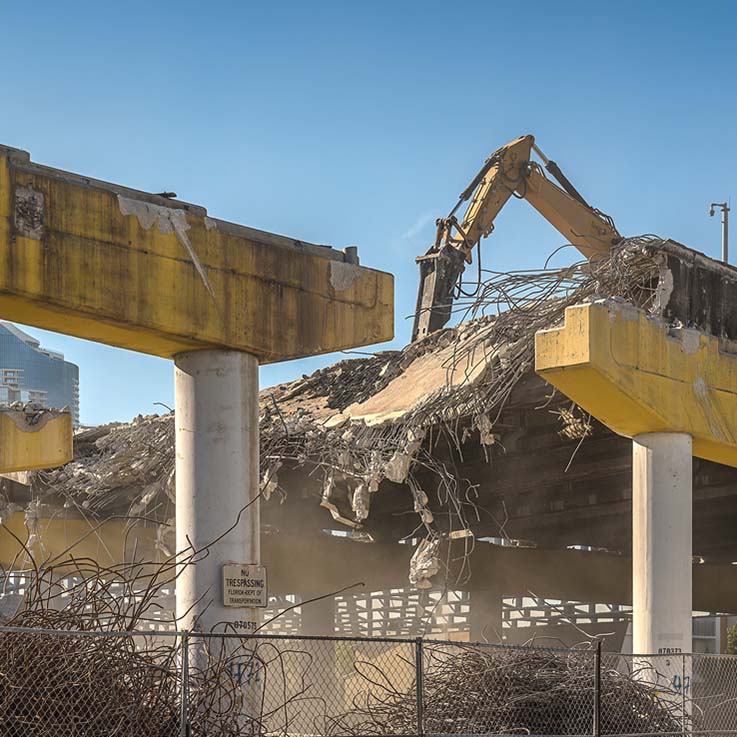
To decarbonize infrastructure, we need to look beyond technological fixes and learn to build coalitions.

Although climate discourse has expressed increasing urgency over time, it has retained the same temporal outlooks for climate effects and action.


Impact strategies must reckon with the problem that capital is frequently trapped in highly illiquid investments with no prospect of exit.
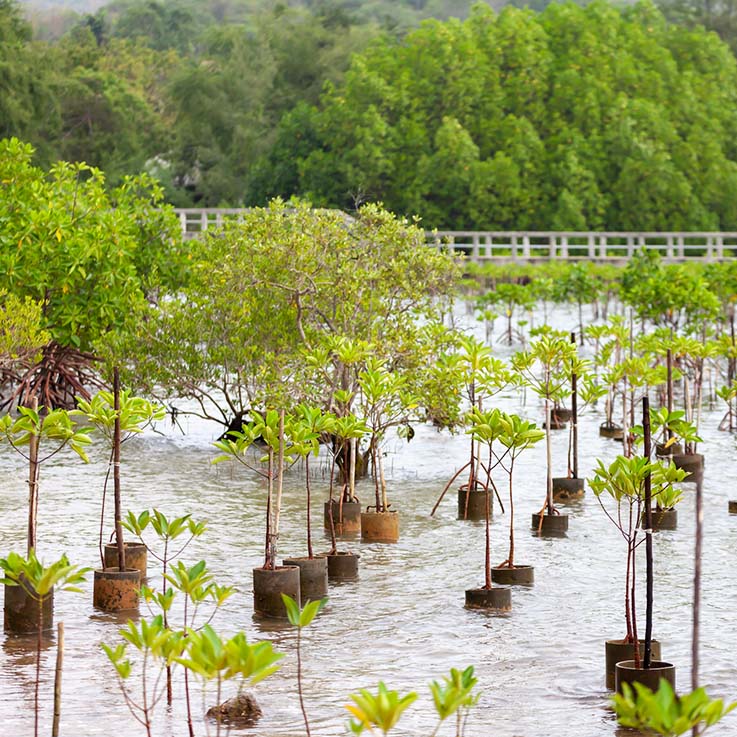
In a world that no longer behaves like a scalable system, success must be something other than growth.

The Kennedy-backed nonprofit Climate Emergency Fund supports disruptive activism to raise awareness of the climate crisis—and is looking to scale. | Open access to this article for non-subscribers is sponsored by an SSIR supporter.
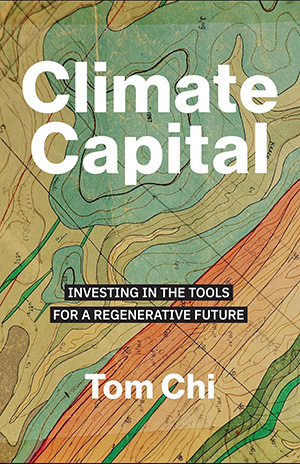
An excerpt from Tom Chi’s Climate Capital on building forward for the future we need.

Resilience to climate change is less about building walls than cultivating the social capacities for people to navigate uncertainty with agency, solidarity, and security.